

Choosing a natural alternative for menopause sounds like a safe bet, but the reality is more complex. While many women turn to Black Cohosh is an herbal supplement derived from the roots and rhizomes of the Cimicifuga racemosa plant, commonly used to manage hot flashes and night sweats to avoid the risks of hormone replacement therapy, this plant carries its own set of warnings. The biggest concern isn't about the hormones-it's about your liver. For some, this supplement can lead to severe liver inflammation or even organ failure, especially when mixed with common medications.
What Exactly is Black Cohosh?
First used by Native Americans and later adopted by 19th-century physicians, this root extract became a global hit in the 1990s. It is primarily used to treat menopausal symptoms because it doesn't act like estrogen, making it attractive for women with hormone-sensitive cancers. However, its chemical makeup-specifically triterpene glycosides such as actein and cimicifugoside-is where the risk lies. These compounds are meant to help with mood and temperature regulation, but they can be hard on the liver for certain people.
The Liver Safety Concern: Hepatotoxicity Explained
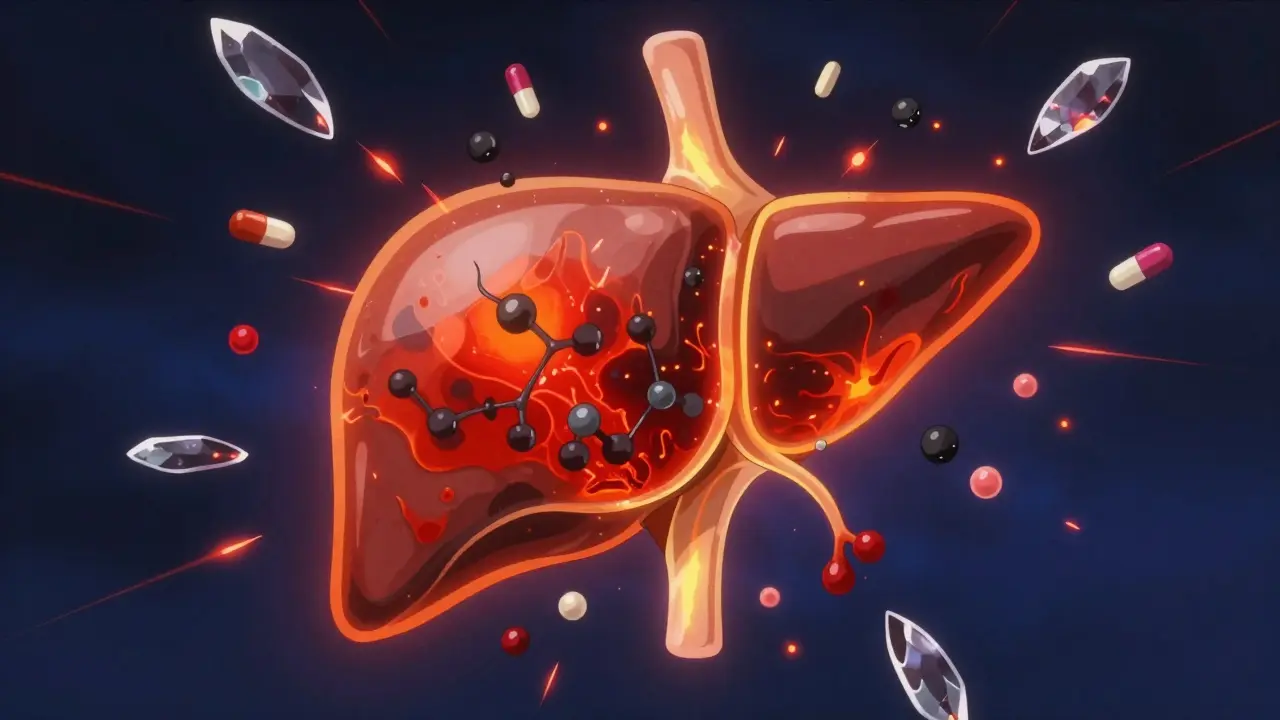
Liver injury from this supplement is known as hepatotoxicity. In most cases, this manifests as hepatocellular injury, meaning the liver cells themselves are damaged. While the exact reason why some people react poorly and others don't remains a mystery, the symptoms are often delayed. You might feel fine for two weeks or six months before the first red flag appears.
According to data from the LiverTox database, there have been over 50 clinically apparent cases of liver injury. In severe instances, patients have seen their ALT (alanine aminotransferase) levels-a key marker of liver stress-skyrocket past 1,000 U/L. In the most extreme cases, this has led to acute liver failure requiring a transplant. While some experts argue these cases are caused by contaminated products rather than the plant itself, the risk is too significant to ignore.
Dangerous Interactions with Other Medications
The real danger often happens when you combine black cohosh with other substances. Because the supplement is processed by the Cytochrome P450 system (specifically enzymes CYP3A4 and CYP2D6), it can clash with medications that use the same pathways.
One of the most critical interactions is with acetaminophen (Tylenol). A documented case involved a 54-year-old woman who suffered acute liver failure after taking both, even though she stayed within the recommended doses for each. This is a classic example of "additive toxicity," where two substances that are safe individually become toxic when combined.
Other high-risk interactions include:
- Strong CYP3A4 inhibitors: Medications like clarithromycin can increase the risk of liver damage by over three times.
- Hepatotoxic drugs: Statins (for cholesterol) and methotrexate (for autoimmune issues) put additional strain on the liver, making the addition of black cohosh dangerous.
- Cancer treatments: Many women using the supplement for menopause are also on medication for breast cancer; these interactions can complicate recovery and organ function.
| Remedy | Primary Risk | Liver Injury Frequency | Regulatory Warning |
|---|---|---|---|
| Estrogen Therapy | Cardiovascular/Clots | Low (at standard doses) | High (FDA regulated) |
| Black Cohosh | Hepatotoxicity | Moderate (50+ cases) | Mandatory in EU |
| Red Clover | Blood Thinning | Very Low (~5 cases) | Low |
| Kava | Severe Liver Failure | Very High (200+ cases) | Banned in some regions |
How to Spot Liver Trouble Early
Since liver damage can happen silently, you need to be your own advocate. Many people don't realize something is wrong until the damage is advanced. Keep an eye out for these specific red flags, which have appeared in the majority of reported injury cases:
- Dark Urine: Reported in 62% of cases; this is often a sign that bilirubin is leaking into the urine.
- Jaundice: Yellowing of the eyes or skin (seen in 48% of cases).
- Extreme Fatigue: Feeling exhausted regardless of sleep (reported by 76% of patients).
- Abdominal Pain: Specifically in the upper right side where the liver is located.
If you experience any of these while taking the supplement, stop immediately and call your doctor. These aren't typical "detox" symptoms; they are signs of organ distress.

Practical Advice for Safe Use
If you are determined to use black cohosh, don't just buy the cheapest bottle online. The quality varies wildly, and some products are adulterated with other plants that increase toxicity. Look for a standardized extract (usually 20-40 mg twice daily) that meets U.S. Pharmacopeia standards.
More importantly, treat this supplement like a medication. This means getting a baseline liver function test (LFT) before you start. Some clinics, like those at the Mayo Clinic, recommend follow-up tests at 8 and 16 weeks. Why? Because early elevations in liver enzymes can be caught and reversed before they become permanent damage. Also, follow the rule of thumb: limit use to 6 months. Your liver needs a break to recover from the metabolic load.
The Future of Herbal Menopause Relief
The market is shifting. With a projected 5.2% annual decline in black cohosh use, more women are moving toward SSRIs or other safer alternatives. Some companies are now marketing "liver-safe" versions of the extract, claiming they've removed the toxic compounds. However, be cautious-major gastroenterological associations have warned that there is currently no clinical evidence proving these new versions are actually safer.
Can I take Black Cohosh if I already have liver disease?
No. The U.S. Pharmacopeia and the American College of Obstetricians and Gynecologists explicitly advise that individuals with pre-existing liver disorders should avoid black cohosh entirely, as it can exacerbate existing damage and trigger acute hepatitis.
Is Black Cohosh safer than Hormone Replacement Therapy (HRT)?
It depends on your specific health profile. HRT carries risks of blood clots and breast cancer, which black cohosh generally does not. However, black cohosh carries a risk of liver toxicity that HRT does not. It's a trade-off between cardiovascular risk and hepatotoxic risk.
How long does it take for liver side effects to appear?
The latency period varies widely. Some users experience symptoms within 2 weeks, while others don't show signs of liver stress for 6 months. This is why consistent monitoring of liver enzymes is recommended.
Does Black Cohosh interact with birth control or other hormones?
Most studies suggest that black cohosh lacks significant estrogenic activity, meaning it doesn't act like a hormone in the body. However, because it affects liver enzymes, it could theoretically change how your body processes other hormonal medications. Always consult a doctor.
Are there safer herbal alternatives for hot flashes?
Red clover is often cited as having fewer documented cases of liver injury compared to black cohosh, though it may have different interactions with blood thinners. Many doctors are now recommending low-dose SSRIs as a more predictable and evidence-backed alternative for symptom management.
I am a pharmaceutical expert with over 20 years of experience in the industry. I am passionate about bringing awareness and education on the importance of medications and supplements in managing diseases. In my spare time, I love to write and share insights about the latest advancements and trends in pharmaceuticals. My goal is to make complex medical information accessible to everyone.