
Drug Interaction Checker
Check potential interactions between medications. This tool uses FDA-approved data sources and can help identify dangerous combinations. Note: This is not a substitute for professional medical advice.
Enter Your Medications
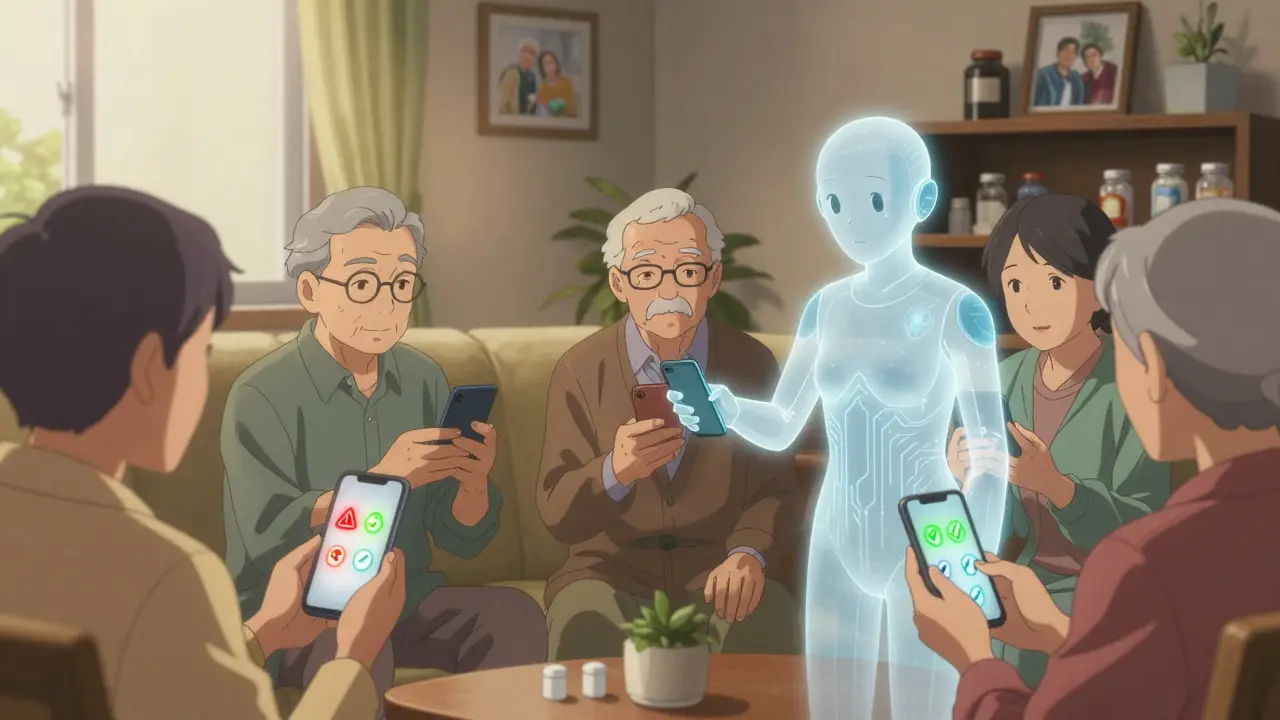
Every year, over 1.3 million people in the U.S. end up in the emergency room because of medication errors. Many of these mistakes aren’t caused by doctors or pharmacists-they happen because patients forget doses, mix up pills, or don’t realize how a new drug interacts with their other medications. That’s where FDA-linked medication safety apps come in. These aren’t just fancy reminders. They’re tools that help you understand what your pills really do, warn you about dangerous side effects, and even alert you to interactions you might never have heard of.
What Makes an App an FDA Medication Safety Tool?
Not every app that says "drug information" is created equal. The FDA doesn’t approve every medication app. Most apps you download from the App Store or Google Play are just information providers. They pull data from FDA-approved sources like the National Library of Medicine or DrugBank. But if an app starts telling you what dose to take, diagnosing your symptoms, or predicting how a drug will affect your body based on your genetics, it crosses into medical device territory. That’s when the FDA steps in. For example, Somryst is an FDA-approved digital therapeutic. You need a prescription for it, and it’s designed to treat chronic insomnia using cognitive behavioral therapy. It’s not just giving you info-it’s treating a condition. That’s why it went through clinical trials and FDA review. Most consumer apps like Medisafe or Drugs.com don’t make treatment claims. They show you side effects, interactions, and dosing info. That means they’re not regulated as medical devices. But they still need to be accurate. The FDA expects them to use up-to-date, verified data from official sources like the FDA’s own MedWatch program, which collects real-world reports of adverse reactions.Top Medication Safety Apps You Can Use Today
There are dozens of apps out there. But only a few have earned trust through accuracy, usability, and consistent updates.- Medisafe: This is the most popular medication reminder app in the U.S., with over 7 million active users. It doesn’t just remind you when to take your pills-it tracks adherence patterns. Data from over 7 million users shows that Fridays and Saturdays are the hardest days to stick to a schedule. Medisafe adjusts reminders based on your habits and lets caregivers get reports if you miss a dose. Its premium version ($5.99/month) adds unlimited caregiver access and health trend tracking.
- Drugs.com: Used by more than 25 million people each month in the U.S. alone, this app is often the first result when you Google a drug name. It gives you detailed side effect lists, overdose instructions, pregnancy safety ratings, and alcohol interaction warnings. Its interaction checker can analyze up to 50 drugs and foods at once. You can even scan a pill’s imprint or barcode to identify unknown medications. The free version is robust; the premium version ($9.99/month) removes ads and adds offline access.
- UpToDate: This isn’t for casual users. It’s a clinical decision support tool used by 78% of U.S. teaching hospitals. Doctors use it to check treatment guidelines, drug dosages, and contraindications. It covers over 11,000 medical topics. While it’s not free ($499-$699/year for individuals), it’s the gold standard for accuracy. If your doctor uses UpToDate, your meds are being checked against the most current medical evidence.
- Pill Identifier & Med Scanner (v2.3, July 2025): This app just got a major upgrade. Now you can point your camera at a pill, scan the barcode on the bottle, or even take a photo of the imprint. It returns detailed info on dosage, manufacturer, side effects, and potential interactions. It’s especially helpful for seniors who get pills in unlabeled blister packs or for caregivers managing multiple medications.
- mySeniorCareHub (Feb 2025 update): Designed specifically for older adults and caregivers, this app simplifies drug interaction checks with large text, pictorial guides, and voice-guided setup. It’s not as feature-rich as Medisafe, but it’s built for people who find complex apps overwhelming.
How These Apps Actually Prevent Harm
Let’s say you’re on blood pressure medication and your doctor adds a new antibiotic. Without checking, you might not know that some antibiotics can spike your blood pressure or cause dangerous heart rhythms when mixed with certain blockers. An app like Drugs.com will flag that interaction in seconds. It doesn’t just say "possible interaction." It tells you the risk level (minor, moderate, severe), what symptoms to watch for, and what to do if they happen. Medisafe goes further. If you miss a dose, it doesn’t just nudge you. It asks: "Did you forget because you were sick? Did you run out?" Based on your answer, it suggests next steps-like calling your pharmacy or doctor. This is called Just-In-Time Intervention. It’s not magic. It’s smart software trained on real user behavior. AI is starting to play a bigger role. Some systems now analyze your medication history and lab results to predict which side effects you’re most likely to experience. One study showed AI models could predict adverse drug reactions with 85-92% accuracy in controlled trials. That’s not perfect, but it’s better than guessing.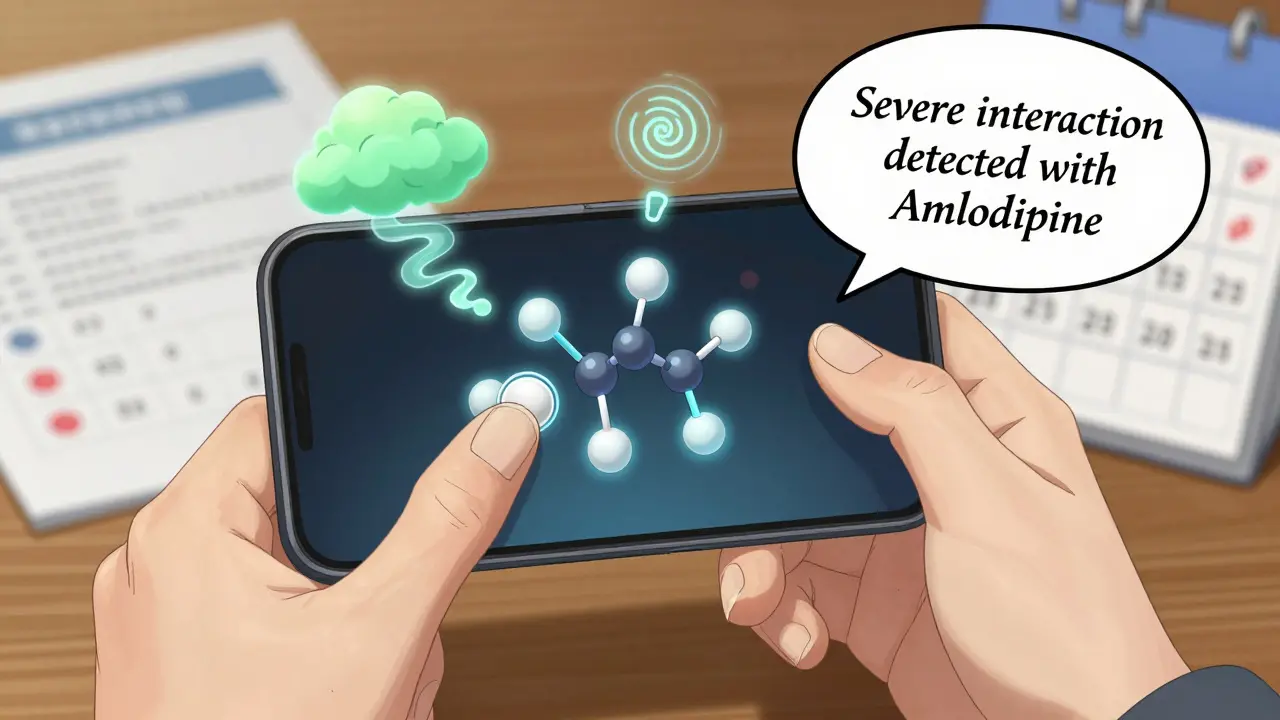
What You Need to Know Before You Download
Not all apps are created equal. Here’s what to look for:- Source of data: Does it cite the FDA, NIH, or peer-reviewed journals? Avoid apps that say "based on user reports" without citing official sources.
- Update frequency: Drug info changes. If an app hasn’t updated its database since 2022, it’s outdated. Check the app store listing for recent updates-especially in 2025, since new FDA guidelines are rolling out.
- Offline access: Can you still see your meds if you’re in a basement, on a plane, or without Wi-Fi? Drugs.com lets you view previously searched info offline. Others don’t.
- Privacy: Does the app sell your data? Read the privacy policy. Reputable apps like Medisafe and Drugs.com don’t share your medication history with advertisers.
- For seniors: If you’re over 65 or helping someone who is, look for apps with large fonts, voice prompts, and simplified layouts. mySeniorCareHub’s 2025 update was built specifically for this group.
Real People, Real Results
Jessica, 58, from Ohio, had a seizure that left her with aphasia. She was put on eight different medications. "I couldn’t remember which one did what, or when to take them," she says. "I tried sticky notes. I tried alarms. Nothing worked. Then I found Medisafe. Now I know exactly what I’m taking-and if I miss a dose, my daughter gets a text. I’m not scared anymore." On Reddit’s r/medapps, users praise Drugs.com’s symptom checker. "I had a weird rash after starting a new statin. I typed it in. The app said it was a known side effect. I called my doctor and he said, ‘Good catch.’" But there are downsides. Some users report notifications that come too late or too early. Others say the side effect descriptions are too technical. That’s why apps like mySeniorCareHub are gaining traction-they cut through the jargon.What’s Coming in 2025 and Beyond
The FDA is rolling out new rules called PDURS (Prescription Drug Use-Related Software) in late 2025. This means apps that give advice on prescription drugs will need to prove their data is accurate, up-to-date, and clinically validated. Apps that don’t meet the standard may be removed from app stores. Expect more apps to integrate with electronic health records. Imagine your pharmacy sending your new prescription directly to Medisafe, and your doctor seeing your adherence report. That’s already happening in 63% of U.S. hospitals. AI will get smarter. Future apps may use your genetic data (if you’ve had a DNA test) to warn you if a drug could cause liver damage or severe drowsiness based on your biology. That’s not science fiction-it’s already being tested in clinical trials.
Getting Started in 10 Minutes
You don’t need to be tech-savvy to use these tools. Here’s how to begin:- Choose one app: Start with Medisafe or Drugs.com-they’re free and reliable.
- Enter your medications: Type in names, dosages, and times. Use the barcode scanner if you have it.
- Set reminders: Don’t just use the default. Adjust times to match your real routine.
- Enable alerts: Turn on side effect warnings and interaction alerts.
- Share access: If you have a caregiver, give them permission to view your schedule.
- Update after doctor visits: If your meds change, update the app right away.
When an App Isn’t Enough
Apps are tools, not replacements for your doctor. If you have a rare condition, complex drug regimen, or new symptoms you can’t explain, talk to your provider. Some apps still miss rare interactions or don’t cover off-label uses. Also, if you’re on Medicare or Medicaid, ask if your plan offers free access to a medication management service. Some insurers partner with apps like Medisafe to reduce hospital readmissions. Remember: The best app is the one you’ll actually use. If it’s too complicated, try a simpler one. If you forget to open it, set a daily phone alert: "Check your meds."Are FDA medication safety apps free?
Most core features are free. Apps like Medisafe and Drugs.com let you track meds, check side effects, and scan pills without paying. Premium upgrades-usually $3-$10 per month-unlock features like unlimited caregiver reports, offline access, or advanced AI alerts. UpToDate is the exception: it’s subscription-only and costs hundreds per year because it’s designed for medical professionals.
Can these apps replace my pharmacist?
No. Pharmacists are trained to catch complex interactions, adjust doses based on kidney or liver function, and spot red flags you might miss. Apps are great for reminders and basic info, but they can’t replace human judgment. Always talk to your pharmacist when starting a new drug.
Do these apps work for seniors?
Yes-but not all apps are easy for older adults. Apps like mySeniorCareHub, launched in February 2025, were built specifically for seniors with larger text, voice guidance, and simple layouts. If you or a loved one struggles with tech, look for apps that offer caregiver support and avoid cluttered interfaces.
Are the side effect lists on these apps accurate?
Reputable apps like Drugs.com and Medisafe pull data directly from FDA-approved sources and update regularly. They list both common and rare side effects. But remember: just because a side effect is listed doesn’t mean it will happen to you. The list includes all possible reactions reported in clinical trials, even if they occur in 1 in 10,000 people.
What should I do if I have a bad reaction?
Call your doctor or go to the ER if it’s serious. Then, report it to the FDA’s MedWatch program. Many apps like Medisafe now let you report side effects directly through the app, which helps the FDA track safety trends faster. Your report could help protect others.
Do these apps work without internet?
Basic features like reminders and your saved medication list usually work offline. But real-time interaction checks, barcode scanning, and drug updates require internet. Drugs.com lets you view previously searched info offline. If you’re often in areas with poor signal, download key drug pages ahead of time.
Will these apps be regulated more in the future?
Yes. Starting in 2025, the FDA’s new PDURS guidelines will require stricter validation for apps that give advice on prescription drugs. Apps that make clinical recommendations will need to prove their data is accurate and up to date. Some may be removed from app stores if they don’t comply. This means the best apps will get even more reliable.


Hi, I'm Caden Lockhart, a pharmaceutical expert with years of experience in the industry. My passion lies in researching and developing new medications, as well as educating others about their proper use and potential side effects. I enjoy writing articles on various diseases, health supplements, and the latest treatment options available. In my free time, I love going on hikes, perusing scientific journals, and capturing the world through my lens. Through my work, I strive to make a positive impact on patients' lives and contribute to the advancement of medical science.