
Coverage of Generics vs Brands: Key Policy Differences
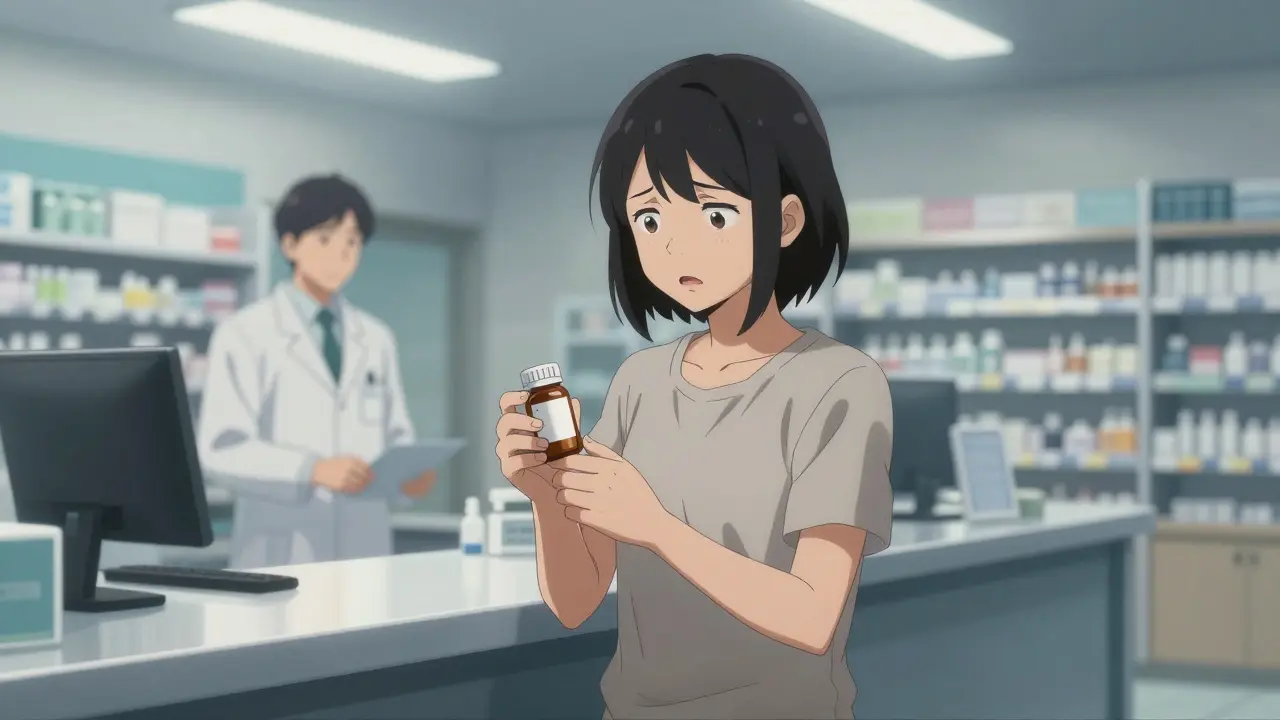
Imagine walking into a pharmacy ready to pick up your prescription, only to be told the price tag on your usual medication has suddenly jumped from $12the typical low copayment for generic drugs to nearly $90. This scenario plays out for millions of patients every year. The reason isn't necessarily the drug itself, but the complex web of insurance formularies governing how insurers pay for medication. While the active ingredients might be identical, the paperwork behind generic and brand-name coverage operates on completely different tracks. Understanding these policy mechanics is essential for anyone managing chronic conditions or high-cost prescriptions.
In the current landscape of pharmaceutical reimbursement, the gap between covering a generic version versus a branded original is defined by cost containment strategies. Policies are designed to push patients toward the cheapest effective option. Research indicates that generic drugs typically cost patients between 80% to 85% less than their brand counterparts. When insurance companies design these plans, they aren't just looking at medical effectiveness; they are managing billions in healthcare spending. As of recent reporting, approximately 90% of all prescriptions filled in major markets are generic. That volume saves the healthcare system around $370 billion annually. However, for individual patients, that aggregate saving translates to strict rules, tiered costs, and sometimes frustrating hurdles when they need the brand version.
How Formularies Define Coverage Tiers
The heart of any insurance policy lies in its formulary-a list of medications covered under the plan. These lists are rarely flat; they are stacked in tiers that dictate exactly how much you pay out-of-pocket. Generally, generic drugs sit comfortably at the bottom of this hierarchy. In most commercial plans, you will see generics placed on Tier 1the lowest cost-sharing level on an insurance formulary. Here, copayments are minimal, often ranging from $5 to $15 for a month's supply. This is a deliberate financial incentive structure. Insurance providers want members to self-select the generic option to keep premiums down.
Conversely, brand-name drugs occupy higher tiers, typically Tier 2 or Tier 3. If you choose a brand when a generic exists, your copay jumps significantly, often landing between $40 and $100. Some plans even switch to coinsurance at these levels, meaning you pay a percentage of the drug's total cost rather than a flat fee. This structural setup creates a 'premium' penalty for choosing the brand. The data from major employer surveys shows the average copay for generics sits around $11.85, while brand names without a generic alternative-or where the member insists on a brand despite a generic existing-average over $62.00. This massive price disparity forces the decision-making process squarely onto the patient's budget.
| Feature | Generic Drugs | Brand-Name Drugs |
|---|---|---|
| Typical Tier Placement | Tier 1 (Preferred) | Tier 2 or 3 (Non-Preferred/Brand) |
| Average Copayment | $11.85 | $62.34 |
| Prior Auth Requirement | Rare (approx. 2%) | Frequent (approx. 23%) |
| Default Substitution Rule | Automatic | Requires "Dispense as Written" override |
Mandatory Substitution and "Dispense as Written" Rules
Beyond the cost tiers, there is a procedural layer known as mandatory substitution. In nearly every jurisdiction, when a generic is available, the pharmacist is legally and contractually required to fill that instead of the brand. This rule is part of the state-level frameworks regulating pharmacies. However, physicians retain some power through specific documentation codes. A doctor can indicate "Do Not Substitute" (DNS) or "Dispense as Written" (DAW) on the prescription. Yet, having this code written does not guarantee insurance will approve the cost. Even if the doctor writes it, the insurer may still deny coverage, leaving the patient to pay the full difference between the brand price and the generic price. Under major networks like Blue Cross Blue Shield, patients often end up paying the generic copay plus the full market price difference of the brand drug if the insurer refuses to cover the premium for switching back to the original formulation.
This creates a critical friction point for patients on medications where minor variations matter. While the active ingredient is the same, inactive ingredients-like fillers, binders, or dyes-can differ between manufacturers. For most people, these changes are harmless. However, for a subset of patients, particularly those with Narrow Therapeutic Index drugsmedications where small dosage variations affect safety significantly such as warfarin or levothyroxine, the switch can impact efficacy. About 27 states have specific policies allowing brand-name coverage without extra red tape for these sensitive categories due to potential bioequivalence concerns. If you take one of these drugs, knowing your state's stance on therapeutic equivalence can save you weeks of fighting for your preferred medication.
Navigating Administrative Hurdles: Prior Auth and Step Therapy
If cost tiers aren't enough to manage expenses, insurers turn to administrative barriers. Two of the most common tools used against brand-name claims are Prior Authorization (PA) and Step Therapy. These policies require proof before coverage is granted. Statistics show that nearly 23% of brand-name drug requests trigger a prior authorization requirement. For generics, that number is negligible, sitting around 2%. PA means your doctor must call the insurance company or submit paperwork proving why the generic won't work before you can get the medicine.
Step therapy takes this further. It is a "fail-first" policy. The plan requires you to try and fail on the generic version before they will agree to cover the brand name. Imagine suffering from depression or chronic pain; if the formulary policy demands you spend 6 to 8 weeks trying the generic first, that delay can impact your quality of life significantly. Reports suggest that the average time to resolve a prior authorization is over three business days, but with step therapy, the clock resets for months. Currently, about 35% of specialty medications fall under step therapy protocols. This creates a documented barrier where access is denied not because the drug is ineffective, but because the process hasn't been exhausted according to insurance logic.

Medical Necessity Exceptions and Patient Advocacy
What happens when you absolutely need the brand? Most plans include an appeal process known as a medical necessity exception. This is where the policy becomes highly variable. Some regions allow doctors to override substitutions easily, while others are restrictive. A key statistic here is that roughly 42 states permit physicians to document medical necessity effectively, while 8 states impose stricter limitations. To successfully navigate this, patients typically need to document at least three failed trials of the generic drug. This documentation must include specific standardized codes-such as modifier YN1 in certain provider handbooks-to flag the request to the billing engine.
This burden falls heavily on the patient to gather evidence. Forums dedicated to medication support reveal persistent threads detailing how patients struggle with these switches. One recurring issue involves thyroid hormones and ADHD medications like Concerta. Users frequently report therapeutic failure when the manufacturer changes the generic batch. Despite these reports, getting approval for the brand remains difficult. In some cases, manufacturers offer copay cards that bring the cost down to $10, but these are illegal for government beneficiaries like Medicare enrollees. If you are enrolled in federal programs, you might be stuck paying the full difference without relief options available to private plan holders.
The Future of Coverage Policy and Innovation
The landscape is shifting. Regulatory bodies like the FDA are tightening definitions around what counts as equivalent. New labeling requirements starting recently demand clearer therapeutic equivalence ratings on packaging. Simultaneously, the rise of 'authorized generics'-where the brand company sells their own product at a generic price-is changing the math. These authorized versions now represent nearly half of all generic prescriptions and often fare better with insurers than third-party generics. As patents expire on blockbuster drugs, we are seeing more aggressive enforcement of substitution rules to protect margins. Analysts predict policies will increasingly differentiate between simple pill-form generics and complex delivery devices like inhalers, potentially offering more flexibility for the latter as bioequivalence becomes harder to verify in those formats.

Practical Strategies for Patients
If you are finding yourself caught between a generic switch and a brand preference, start by identifying your position in the formulary. Request a tier check from your benefits administrator. If the generic causes issues, ensure your doctor documents the adverse reaction immediately. Look for 'medical necessity' language in your plan's evidence of coverage document. Don't wait until the month ends to find out your card won't process; proactively ask your pharmacy about the specific manufacturer of the generic dispensed. Knowing the manufacturer helps in tracking batches if side effects occur. Finally, leverage the 72-hour turnaround window standardizing in new proposed rules for prior authorizations. If a request stalls, cite the compliance standards set by federal regulators regarding timely review periods. Being proactive reduces the stress of navigating these bureaucratic layers.
Common Questions on Generic Coverage
Why are generic drugs so much cheaper than brands?
Generic manufacturers do not incur the massive initial R&D costs that brand companies face to develop a new drug. Because they are replicating existing molecules, they can sell them at a fraction of the cost, typically 80% to 85% lower than the brand price, which insurance policies leverage to reduce overall premiums.
Can my doctor force the pharmacy to give me the brand?
A doctor can write "dispense as written," but insurance payment is separate from pharmacy dispensing. If the plan does not authorize the brand medically, you may still have to pay the full price difference out of pocket even if the prescription is written correctly.
What is a narrow therapeutic index drug?
These are medications where small differences in dose or rate of delivery can cause significant toxicity or loss of effect. Examples include Levothyroxine and Warfarin. Policies for these drugs often allow for brand-name continuity without requiring prior authorization due to safety concerns.
Does insurance cover brand drugs in the coverage gap?
In standard federal benefit models like Part D, during the coverage gap phase, patients pay 25% of the cost for both brand and generics, though brand prices remain higher. Catastrophic coverage thresholds eventually cap these costs, protecting patients from infinite liability.
How long does prior authorization take?
Standard timelines average 3.2 business days for approval. However, proposed regulations aim to standardize this to a maximum of 72 hours to prevent treatment delays, especially for urgent needs where a generic alternative exists but was rejected.


Hi, I'm Caden Lockhart, a pharmaceutical expert with years of experience in the industry. My passion lies in researching and developing new medications, as well as educating others about their proper use and potential side effects. I enjoy writing articles on various diseases, health supplements, and the latest treatment options available. In my free time, I love going on hikes, perusing scientific journals, and capturing the world through my lens. Through my work, I strive to make a positive impact on patients' lives and contribute to the advancement of medical science.