
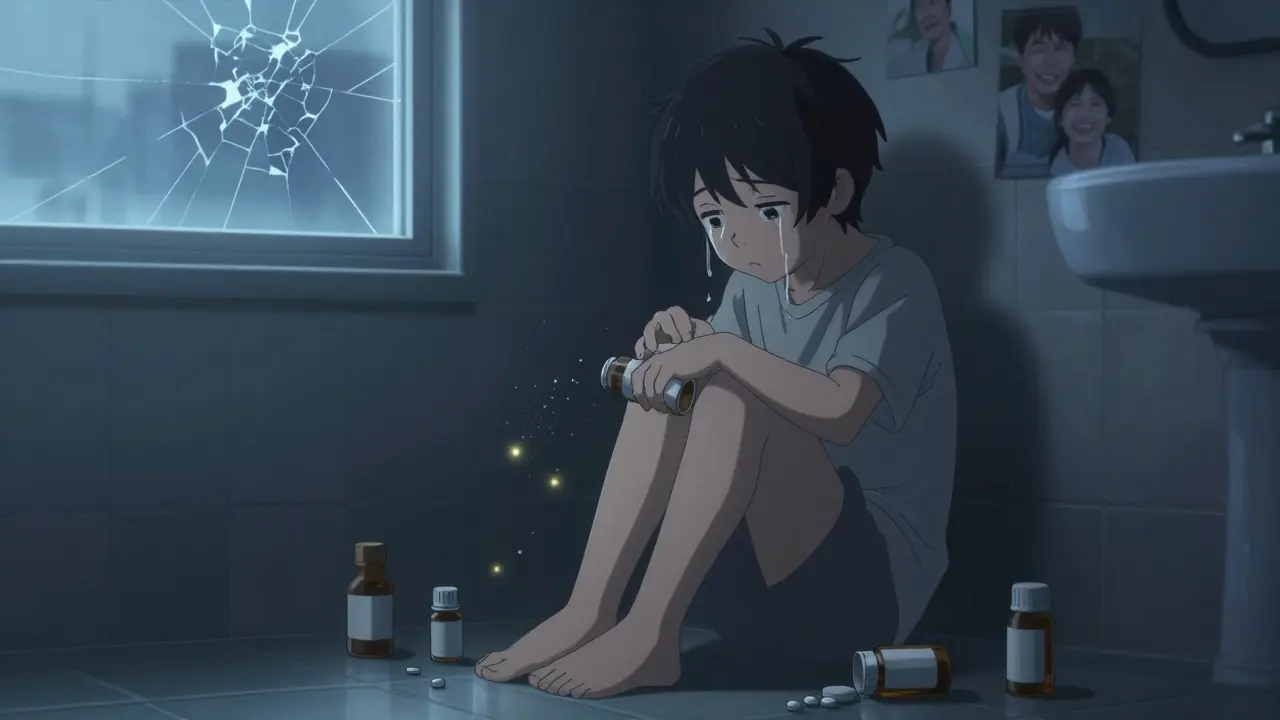
When someone takes too many pills on purpose, it’s not just a medical emergency-it’s a cry for help. Intentional overdose is one of the most common ways people try to end their lives, especially when they feel trapped, hopeless, or alone. It’s not about being weak. It’s about pain so deep that death feels like the only escape. But here’s the truth: intentional overdose is survivable. And help is closer than you think.
Why People Choose Overdose as a Method
Many who attempt suicide by overdose aren’t seeking death-they’re seeking relief. Prescription painkillers, sleep aids, antidepressants, even common pain relievers like acetaminophen can become tools of desperation. These substances are easy to access. A bottle sits in a medicine cabinet. A friend shares pills. A prescription runs out, but the pain doesn’t. According to CDC data, overdose accounts for about 15-20% of all suicide deaths in the U.S. It’s not the most lethal method-firearms are-but it’s one of the most accessible. For teens, it’s often the first option they consider. For adults in rural areas, where mental health clinics are hours away, it’s the quickest way to act on unbearable thoughts. The problem isn’t just the pills. It’s the silence around them. People don’t talk about how they got there. They don’t say, “I’m thinking of taking everything.” They say, “I’m fine.” Or they don’t say anything at all.What Happens During an Intentional Overdose
It’s not quick. It’s not peaceful. Acetaminophen overdose doesn’t knock you out-it slowly destroys your liver over days. Opioids shut down breathing, but not always completely. People wake up in the hospital, tubes in their nose, machines beeping, wondering why they’re still alive. Survivors often face permanent damage: kidney failure, brain injury from oxygen loss, chronic pain from nerve damage. And then there’s the guilt. The shame. The fear of being judged for trying. But here’s what no one tells you: surviving an overdose doesn’t mean you failed. It means you’re still here. And that matters.The Crisis Resources That Are Actually Working
In 2022, the U.S. launched 988-the Suicide & Crisis Lifeline. It’s simple: dial 988, and you’re connected to a trained counselor, 24/7. No waiting. No screening. Just someone who listens. In 2024, 988 handled over 4.7 million contacts. That’s a 32% jump from the year before. More people are reaching out. That’s progress. One person in Melbourne, Australia, called 988 after swallowing a handful of sleeping pills. “The counselor stayed on the line for 18 minutes,” they told a support group. “Until the ambulance arrived. I didn’t think anyone would care. But they did.” There’s also Crisis Text Line: text HOME to 741741. Response time? Under a minute. No phone call needed. Just words on a screen. For teens, for people with social anxiety, for those who can’t speak out loud-this is lifeline number two. And then there’s SAMHSA’s National Helpline: 1-800-662-HELP (4357). It’s free. It’s confidential. It connects you to local treatment centers, even if you don’t have insurance.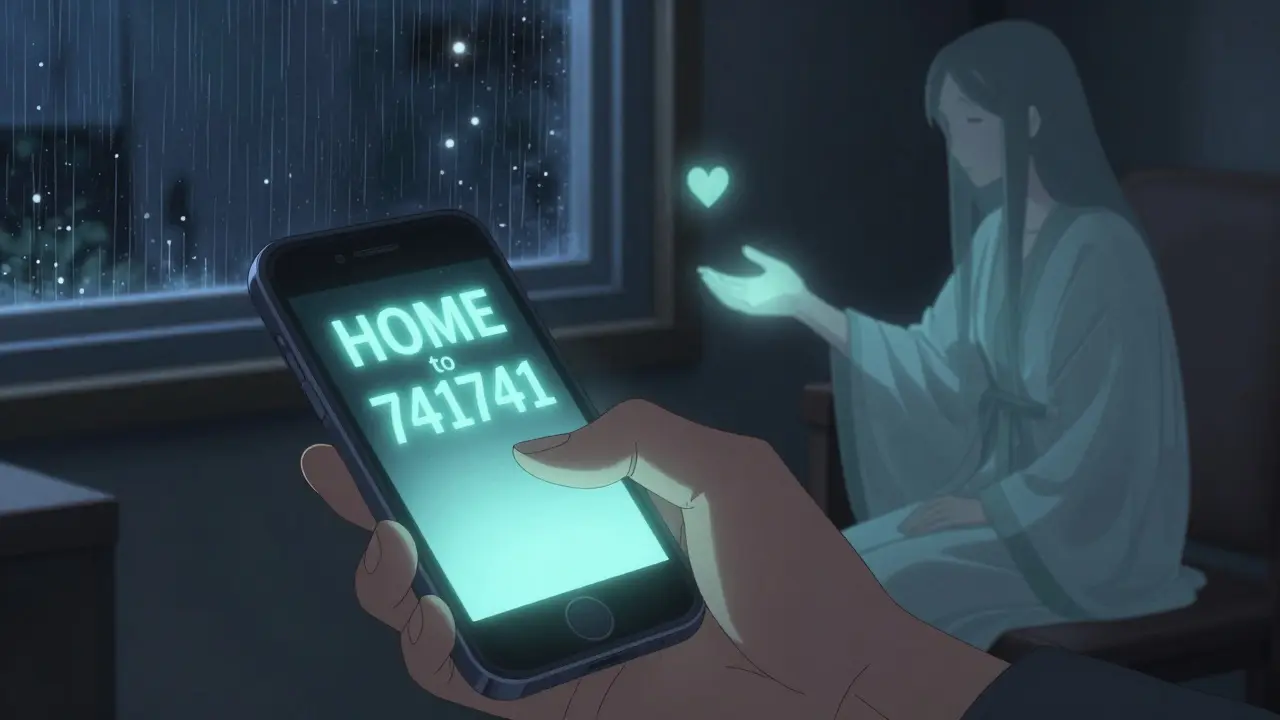
The Gaps No One Talks About
But here’s the ugly truth: 42% of people who call for same-day crisis help can’t get it. Wait times for 988 have climbed from 2.4 minutes in 2022 to over 5.7 minutes in 2024. That’s five minutes of agony for someone holding a bottle of pills. Staffing cuts at SAMHSA have hit hard. In 2024, turnover at crisis centers jumped 37%. Many counselors are burned out. Others left for better pay. And now, the proposed $1.07 billion funding cut to SAMHSA for 2026 could shut down dozens of local centers. Rural areas are hit hardest. In some counties, the nearest mental health provider is 100 miles away. And for young people? Parental consent rules mean they can’t get help without telling an adult they might not trust.What You Can Do Right Now
If you’re thinking about an overdose, stop. Breathe. Do one thing:- Dial 988. Even if you’re not sure. Even if you think they’ll judge you.
- Text HOME to 741741. Type it now. Don’t wait.
- Call a friend. Say, “I’m not okay.” Even if it’s just one word.
- Go to the nearest emergency room. Say, “I took too many pills.” No explanation needed.
- Ask directly: “Are you thinking about killing yourself?” It doesn’t plant the idea. It opens the door.
- Remove pills, knives, belts. Don’t wait for them to ask.
- Stay with them until help arrives. Don’t leave them alone.
- Call 988 for guidance. They’ll tell you how to help.
Why This Isn’t Just a Personal Problem
Suicide isn’t a moral failure. It’s a public health crisis. The CDC reported a 27% drop in overdose deaths in 2024-over 27,000 lives saved. That didn’t happen by accident. It happened because communities funded crisis lines, trained first responders, and made mental health care a priority. But progress is fragile. Budget cuts threaten to undo years of work. States are losing prevention programs. Schools are cutting counselors. Pharmacies are removing pill count limits. The data is clear: when we invest in mental health, people live. When we ignore it, they die.
You Are Not Alone
You might feel like no one understands. Like you’re the only one who feels this way. But you’re not. In 2024, over 14 million adults in the U.S. had serious thoughts of suicide. That’s 1 in 18 people. Millions more struggled silently. You don’t have to fix everything today. You don’t have to be brave. You just have to reach out. The world doesn’t need you to be strong. It needs you to be here.Frequently Asked Questions
What should I do if I think someone is planning an intentional overdose?
Don’t wait. Ask them directly if they’re thinking about suicide. Remove access to pills, alcohol, or weapons. Call 988 or take them to the nearest emergency room. Stay with them until help arrives. You don’t need to have all the answers-just being there can save a life.
Is 988 available 24/7 and free?
Yes. 988 is free, confidential, and available 24 hours a day, 7 days a week. You don’t need insurance. You don’t need to be in crisis right now. Even if you’re just feeling overwhelmed, calling 988 connects you to trained counselors who can help you figure out your next step.
Can I call 988 for someone else?
Absolutely. If you’re worried about a friend, family member, or coworker, call 988 and explain your concerns. The counselor can guide you on how to support them, even if they haven’t asked for help yet. You’re not overstepping-you’re stepping up.
What if I’m under 18 and don’t want my parents to know?
You don’t need parental permission to call 988 or text Crisis Text Line. Counselors are trained to work with minors and will respect your privacy. They can also help you figure out how to talk to a trusted adult-or connect you to youth-specific services in your area.
Are overdose deaths really going down?
Yes. CDC data shows a 27% drop in overdose deaths in 2024 compared to 2023. That’s over 27,000 lives saved. But this decline includes both accidental overdoses and intentional ones. Experts warn that without continued funding and support, progress could reverse. The tools to prevent suicide exist-we just need to keep using them.
Where can I find long-term mental health support after a crisis?
After a crisis, follow-up care is critical. Call SAMHSA’s National Helpline at 1-800-662-HELP (4357). They’ll connect you to low-cost or free counseling, support groups, and medication-assisted treatment near you. Many community health centers offer sliding-scale fees based on income. You don’t have to wait for insurance to get help.


Hi, I'm Caden Lockhart, a pharmaceutical expert with years of experience in the industry. My passion lies in researching and developing new medications, as well as educating others about their proper use and potential side effects. I enjoy writing articles on various diseases, health supplements, and the latest treatment options available. In my free time, I love going on hikes, perusing scientific journals, and capturing the world through my lens. Through my work, I strive to make a positive impact on patients' lives and contribute to the advancement of medical science.