
Every year, millions of people turn to opioids to manage pain-after surgery, injury, or chronic conditions. But for many, what starts as a short-term solution becomes a dangerous long-term habit. In 2025, over 108,300 people in the U.S. died from drug overdoses, and synthetic opioids like fentanyl were involved in 86% of those deaths. The good news? We now have clearer, evidence-based ways to manage pain without putting lives at risk. The key isn’t avoiding opioids entirely-it’s using them safely, only when necessary, and with strong support systems in place.
What Are the Real Risks of Opioids for Pain?
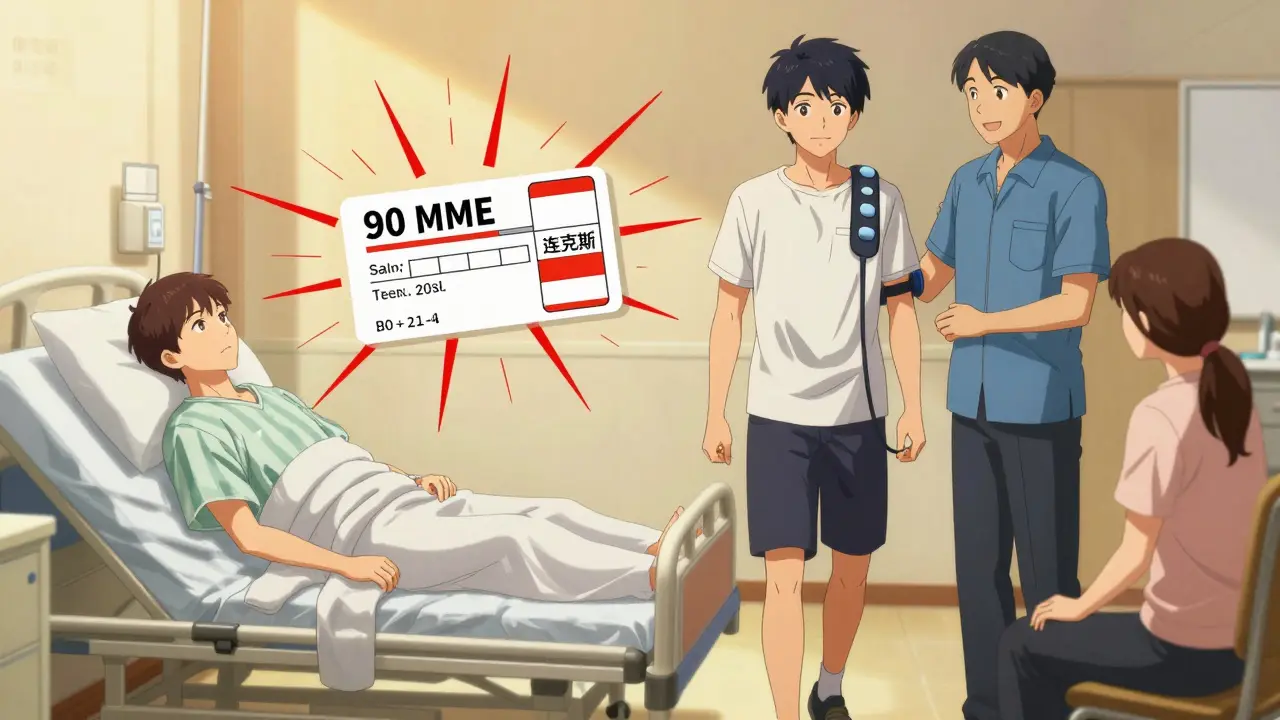
Opioids work by binding to brain receptors that control pain and pleasure. They’re powerful-but they’re not harmless. The biggest danger isn’t just addiction. It’s overdose. And the risk doesn’t only come from misuse. Even people who take opioids exactly as prescribed can face serious harm.Research from the CDC shows that once a patient’s daily dose hits 50 morphine milligram equivalents (MME), their risk of overdose jumps nearly threefold. That’s not a random number. It’s based on data from over 2 million patients between 2022 and 2024. At 90 MME or higher, the risk becomes even more severe. That’s why current guidelines say doses above 90 MME should be avoided unless the patient has cancer, is in palliative care, or is nearing the end of life.
But it’s not just about dosage. The length of time you take opioids matters too. A 2024 University of Michigan study found that for every extra day beyond three that someone gets an opioid prescription for acute pain, their chance of still using opioids a year later increases by 20%. That’s why the CDC’s 2025 update now recommends a three-day limit for most acute pain cases-like after a tooth extraction or sprained ankle. Seven days is only allowed if there’s clear medical justification.
How Do Guidelines Work in Practice?
In 2025, several major organizations updated their rules to match the latest science. The CDC, FDA, and CMS all changed their guidance, and now they mostly agree on the same core principles:- Start low. Use the lowest effective dose for the shortest time possible.
- Reassess at 50 MME. If a patient reaches this level, it’s time to reevaluate whether opioids are still the best option.
- Avoid 90 MME. This is a hard red line for most patients outside of cancer or end-of-life care.
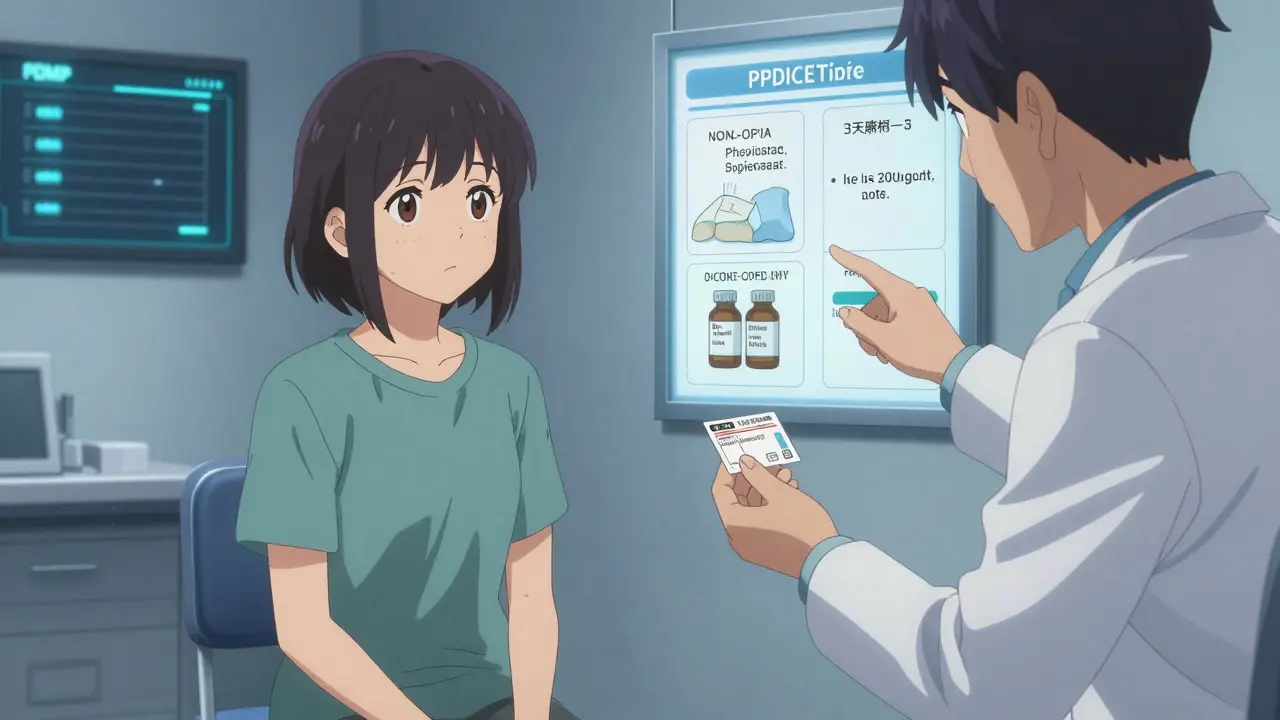
- Check the prescription drug monitoring program (PDMP) before every new opioid prescription. Studies show this cuts overlapping prescriptions by 37%.
- Use non-opioid options first. NSAIDs like ibuprofen, acetaminophen, physical therapy, and cognitive behavioral therapy are often just as effective-and far safer.
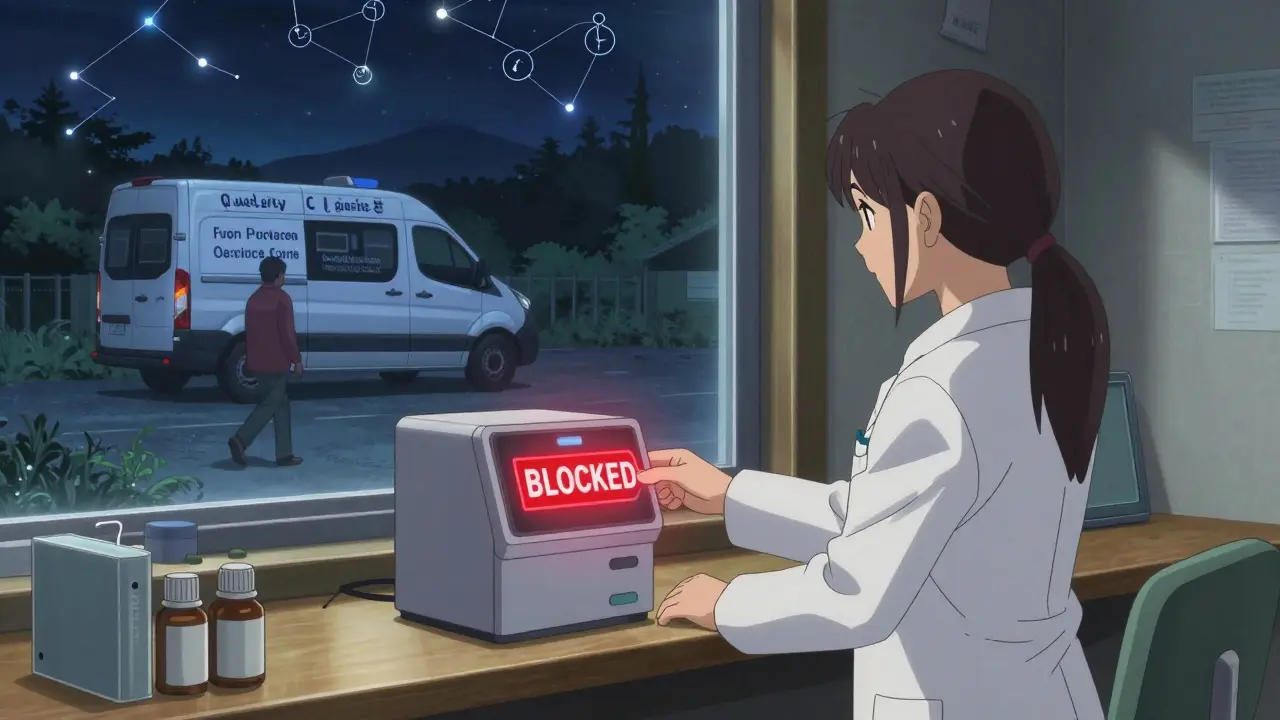
These aren’t just suggestions. Starting January 1, 2025, Medicare Part D plans are required to block opioid prescriptions at the pharmacy counter if they violate these rules. If a doctor tries to write a 10-day supply for a sprained wrist, the system will flag it. This is called a hard safety edit, and it’s already reducing first-time opioid prescriptions for dental and minor surgical procedures by over 60% in some states.
What About Patients Who Need Long-Term Pain Relief?
This is where things get complicated. Some people-those with severe arthritis, nerve damage, or spinal injuries-do need ongoing pain control. For them, opioids might be necessary. But even then, safety still matters.Studies show that about 12.7% of patients on long-term opioid therapy develop moderate-to-severe opioid use disorder (OUD), even when they follow their doctor’s orders. That’s why the FDA now requires all opioid labels to clearly state this risk. And why clinics are shifting toward multimodal pain management: combining physical therapy, non-opioid medications, psychological support, and nerve blocks.
For example, a 2025 study from a VA clinic found that patients who received regular physical therapy and counseling alongside opioids had 45% lower opioid use than those who only got pills. And their pain levels didn’t get worse-they got better.
But here’s the catch: many doctors don’t have access to these alternatives. In rural areas, 68% of counties don’t have a single pain specialist. That’s why some patients end up stuck on high-dose opioids-not because they’re addicted, but because there’s nowhere else to turn.
What Do the Experts Say?
Dr. Nora Volkow, head of the National Institute on Drug Abuse, says the guidelines are a step forward, but warns: "We must ensure these rules don’t accidentally leave people in pain." That’s a real concern. Some patients report being abruptly cut off from opioids, leading to withdrawal, increased pain, and even emergency room visits.The FDA specifically warns against rapid tapering. A 2024 study found that patients who had their opioids stopped too quickly had a 23% higher risk of suicide attempts. So, if a patient has been stable on a higher dose for years, the goal isn’t to cut them off-it’s to help them transition safely, with support.
On the other side, Dr. Jane Ballantyne from Physicians for Responsible Opioid Prescribing says: "Every extra day of opioid prescribing increases the chance of long-term dependence. Three days is the new standard for a reason." She points to data showing that patients who get more than three days of opioids after surgery are far more likely to still be taking them six months later.
The American Academy of Pain Medicine counters that 15-20% of surgical patients legitimately need longer courses. They’re not wrong. But the solution isn’t to ignore the data-it’s to personalize care. A hip replacement patient might need five days. A wisdom tooth extraction? Three is enough.
How Can You Stay Safe?
If you’re prescribed opioids, here’s what you can do:- Ask why. Is this the best option? Have you tried NSAIDs, ice, rest, or physical therapy?
- Ask how long. How many days are you really being prescribed? Don’t accept a 10-day supply unless your doctor explains why.
- Ask about alternatives. Can you combine acetaminophen with ibuprofen? Can you see a physical therapist?
- Ask about monitoring. Will you be checked regularly? Will your doctor use the PDMP?
- Ask about tapering. If you’re on opioids for more than a few weeks, ask about a plan to reduce them safely-not stop cold turkey.
If you’re a caregiver or family member, watch for signs like increased secrecy, mood swings, or taking more than prescribed. Don’t assume it’s addiction. It could be uncontrolled pain. Talk to the doctor.
What’s Changing in 2026?
The next wave of changes is already coming. The CDC is preparing new guidelines for older adults and people with kidney problems-because 30 MME might be too high for someone over 65. The NIH is investing $125 million in new non-addictive pain treatments. By 2027, experts predict that 65% of acute pain cases will be handled without opioids at all.But progress depends on access. Right now, there’s a shortage of 12,500 pain specialists in the U.S. And without more therapists, counselors, and integrative clinics, even the best guidelines won’t reach everyone.
The goal isn’t to eliminate opioids. It’s to make sure they’re used only when they’re truly needed-and never alone. When paired with physical therapy, mental health support, and non-opioid medications, pain can be managed without putting lives at risk. That’s the future we’re building.
What is the maximum safe daily dose of opioids for chronic pain?
Current guidelines from the CDC and FDA recommend avoiding doses of 90 morphine milligram equivalents (MME) per day or higher for chronic pain, except in cases of active cancer, palliative care, or end-of-life treatment. Doses reaching 50 MME per day trigger a mandatory reassessment, as this level is associated with a 2.8 times higher risk of overdose. There is no "safe" high dose-only doses that are carefully monitored and justified.
Can I get opioids for more than three days after surgery?
Yes, but only if your doctor documents a clear clinical reason. The 2025 CDC guidelines recommend a three-day limit for most acute pain, including after surgery. Extensions to seven days are permitted only for procedures with known prolonged recovery, such as major joint replacements or spinal surgeries. For minor procedures like dental work or minor fractures, a three-day supply is the standard. Always ask your provider why a longer prescription is being written.
Why do some patients get cut off from opioids suddenly?
Some patients experience abrupt discontinuation due to fear of liability, insurance pressure, or misinterpretation of guidelines. However, the FDA explicitly warns against rapid tapering, as it can cause severe withdrawal, uncontrolled pain, and even suicide. Responsible providers use a gradual, patient-centered approach-reducing doses slowly while offering alternatives like physical therapy or non-opioid medications. If you’re being cut off suddenly, ask for a tapering plan and referrals to pain specialists.
Are non-opioid pain treatments effective?
Yes. Studies show that combining NSAIDs (like ibuprofen), acetaminophen, physical therapy, cognitive behavioral therapy, and nerve blocks can control pain just as well as opioids for most conditions-and without the risk of addiction. A 2025 VA study found that patients using multimodal therapy reduced opioid use by 45% while reporting better pain control. These treatments are now covered by Medicare and many private insurers under 2025 guidelines.
How do doctors know if I’m at risk for opioid misuse?
Doctors use tools like the Opioid Risk Tool (ORT) and Screener and Opioid Assessment for Patients with Pain (SOAPP), which evaluate personal and family history of substance use, mental health conditions, and other risk factors. A score above 8 indicates high risk and usually means opioids should be avoided or managed with a specialist. They also check state Prescription Drug Monitoring Programs (PDMP) to see if you’ve received opioids from other providers. This is now standard practice before every new prescription.
Medication safety isn’t about fear-it’s about smart choices. Pain is real. So is the danger of opioids. The best care doesn’t ignore one for the other. It balances both.


I am a pharmaceutical expert with over 20 years of experience in the industry. I am passionate about bringing awareness and education on the importance of medications and supplements in managing diseases. In my spare time, I love to write and share insights about the latest advancements and trends in pharmaceuticals. My goal is to make complex medical information accessible to everyone.