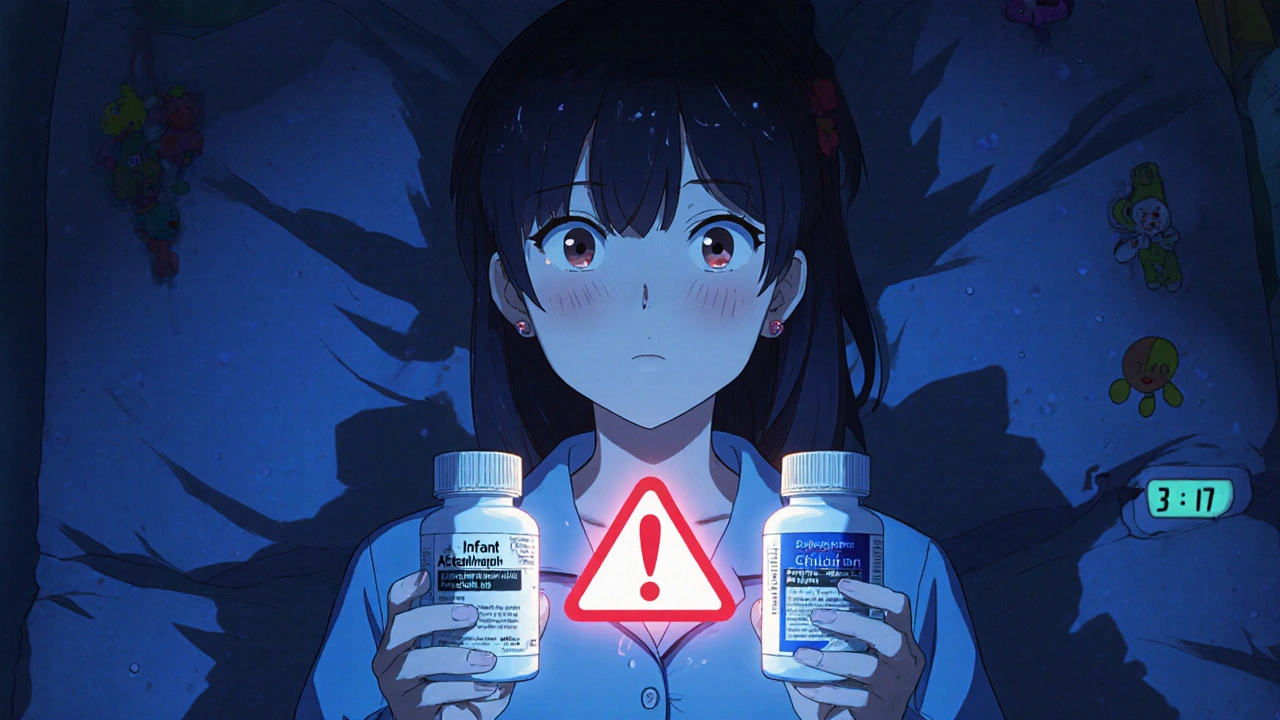
Infant medication safety depends on accurate dosing, correct concentrations, and proper measuring tools. Learn how to avoid deadly errors with acetaminophen, ibuprofen, and other liquid meds for babies under 1 year.

When you take acetaminophen, a common pain reliever and fever reducer found in dozens of over-the-counter and prescription products. Also known as paracetamol, it's one of the most widely used medications worldwide—but its safety depends entirely on how much is in your blood at any given time. Too little won’t help your pain. Too much can silently wreck your liver before you feel a thing.
Acetaminophen concentration, the amount of the drug circulating in your bloodstream is measured in micrograms per milliliter (mcg/mL). A therapeutic level usually falls between 10 and 30 mcg/mL. That’s the sweet spot: pain relief without danger. But once it hits 150 mcg/mL four hours after ingestion, the risk of liver damage spikes. At 200 mcg/mL or higher, you’re in emergency territory. Many people don’t realize they’ve crossed that line because there’s no burning pain, no vomiting right away—just a quiet, deadly buildup.
Why does this happen? Because acetaminophen is in so many products. You take it for a headache. Then you take a cold medicine that has it too. Then a sleep aid. Before you know it, you’ve hit 4,000 mg in a day—the maximum safe dose. But if you’re older, have liver issues, or drink alcohol regularly, your body can’t handle even that much. And if you take it all at once—intentionally or by accident—the numbers climb fast. That’s why hospitals check acetaminophen concentration right away in overdose cases. It’s not about how many pills you swallowed. It’s about what’s actually in your blood.
There’s also a timing factor. The blood test needs to happen within 4 to 24 hours after taking the drug to be useful. After that, the body starts breaking it down, and the numbers drop—even if damage is already happening. That’s why waiting for symptoms is dangerous. By the time your skin turns yellow or your stomach hurts, it’s often too late for the antidote to work fully.
What you’ll find in the articles below isn’t just theory. These are real stories and science-backed checks: how lab tests catch overdose before it’s too late, why some people need closer monitoring than others, and what happens when acetaminophen mixes with other drugs like warfarin or alcohol. You’ll see how even small mistakes—taking two pills instead of one, using the wrong measuring cup, or doubling up on cold meds—can push levels into danger zones. This isn’t about scare tactics. It’s about knowing the numbers that keep you alive.
Infant medication safety depends on accurate dosing, correct concentrations, and proper measuring tools. Learn how to avoid deadly errors with acetaminophen, ibuprofen, and other liquid meds for babies under 1 year.