

Imagine forgetting to refill your blood pressure pills for the third time this year. You’re out for three days. Your head pounds. Your doctor’s office is booked. Then, one morning, a package shows up on your porch - same dosage, same pills, no effort on your part. That’s not magic. It’s automated refills - and it’s changing how millions manage chronic conditions with generic medicines.
What Automated Refills Actually Do
Automated refill systems don’t just remind you to order your meds. They initiate the refill automatically, usually 5 to 7 days before you run out. No calls. No logins. No “I’ll do it tomorrow.” For people on daily meds for diabetes, high blood pressure, or cholesterol, this isn’t a luxury - it’s a lifeline.These systems work by syncing with your pharmacy’s database. When you fill a prescription for a 30-day supply, the system notes the date and calculates when you’ll need more. Then, without asking, it sends a refill request to the pharmacy. You get an email, text, or app notification asking if you want the refill sent. Most people just say yes - and that’s the whole point.
Studies show this simple trick boosts adherence. A 2016 study tracking Medicare patients found that those on automatic refills took their statins 7.2% more consistently, RASA drugs 3.9% more, and diabetes meds 6.8% more than those who had to request refills manually. That might sound small, but for someone with heart disease, those extra doses mean fewer hospital trips.
Why Generic Medicines Are the Perfect Fit
Generic drugs are the backbone of automated refill programs. Why? Because they’re cheap, stable, and prescribed long-term. You’re not switching brands every few months. Your lisinopril 10mg today is the same as tomorrow. That predictability makes automation safe and effective.Compare that to a brand-name drug that might change dosage, form, or even manufacturer. Those require human review. Generics? They’re like batteries - you know exactly how long they’ll last, and you don’t need to think about them until they’re gone.
That’s why 48% of commercially insured patients in the U.S. are enrolled in some kind of automated refill system - and most of those are for generics. CVS, Walgreens, and Amazon Pharmacy all report that the top 10 medications enrolled in auto-refill programs are all generics: metformin, atorvastatin, levothyroxine, amlodipine, and the like.
How It Works: From Enrollment to Delivery
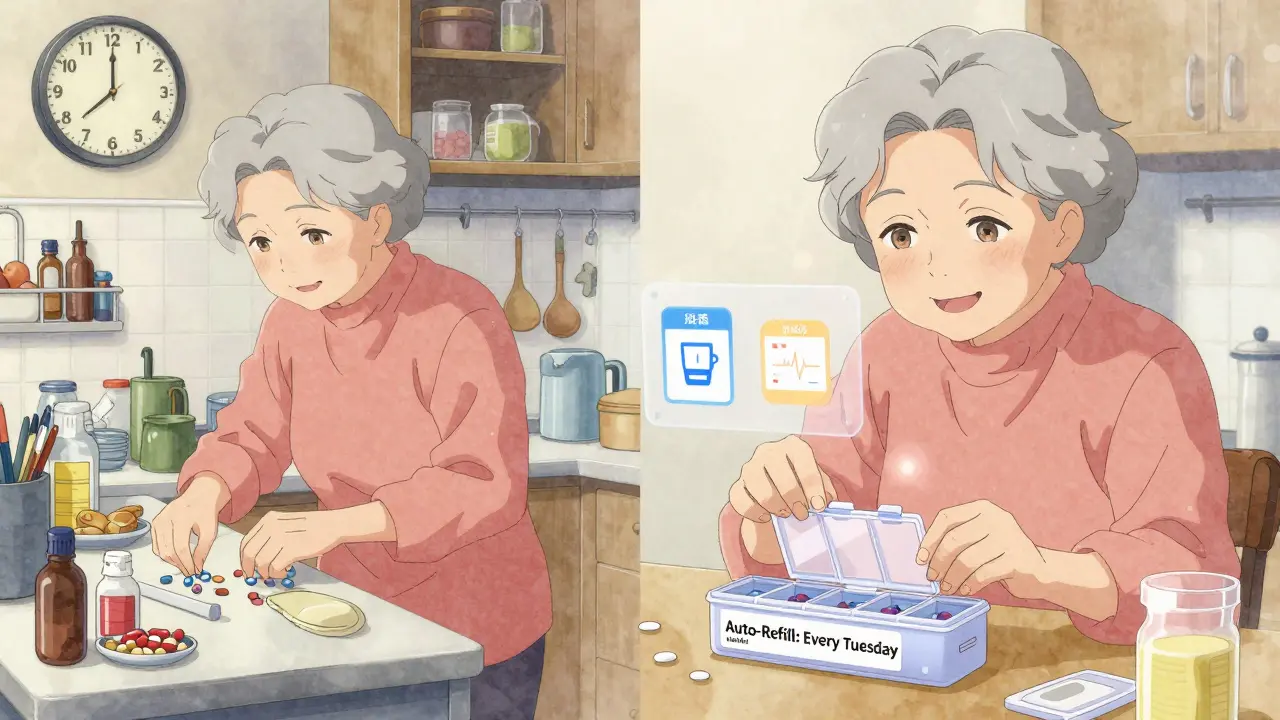
Getting started is simple:- You sign up through your pharmacy’s website, app, or in person. Most require you to check a box saying you agree - no hidden enrollment.
- You pick how you want to be notified: text, email, or phone call. Over 90% of systems now support all three.
- When it’s time, you get a heads-up. You can approve, delay, or cancel. If you don’t respond, most systems wait 48 hours, then proceed - unless you’ve opted out.
- Your meds ship or are ready for pickup. Many services offer free delivery, even for single prescriptions.
It takes less than 10 minutes to set up. And once it’s on, you rarely think about it again - unless something changes.
The Real Benefits: More Than Just Convenience
People love automated refills for three reasons:- No more forgetting. One Reddit user with type 2 diabetes said, “I used to run out on weekends. Now I get my metformin on a Tuesday, every time. I haven’t missed a dose in 14 months.”
- Less stress. A 2024 survey by Consumer Medication Safety found that 73% of users cited “peace of mind” as their top reason for sticking with auto-refills.
- Lower cost. Programs like Amazon Pharmacy’s RxPass let Prime members get 60 common generics for $5 a month. That’s cheaper than most co-pays.
Pharmacies benefit too. Staff spend 37% less time fielding refill calls. That means more time for patient counseling, not chasing down old prescriptions.
Where It Goes Wrong
Automated refills aren’t flawless. The biggest risk? Dosage changes.Let’s say your doctor increases your diltiazem from 240 mg to 360 mg. You forget to tell the pharmacy. The system, still programmed for the old dose, keeps sending the 240 mg pills. That’s not just inconvenient - it’s dangerous.
Consumer Medication Safety documented over 120 cases in 2024 where patients received outdated doses because the system didn’t sync with the doctor’s new order. That’s why it’s critical: always confirm dosage changes with your pharmacy. Don’t assume they know.
Another issue? Some mail-order pharmacies and pharmacy benefit managers (PBMs) trigger refills early - at 60 days instead of 90 - just to make more money. You get your meds faster, but you pay more out of pocket, and you might end up with unused pills. Watch your statements. If you’re getting refills too often, ask why.
What’s New in 2026
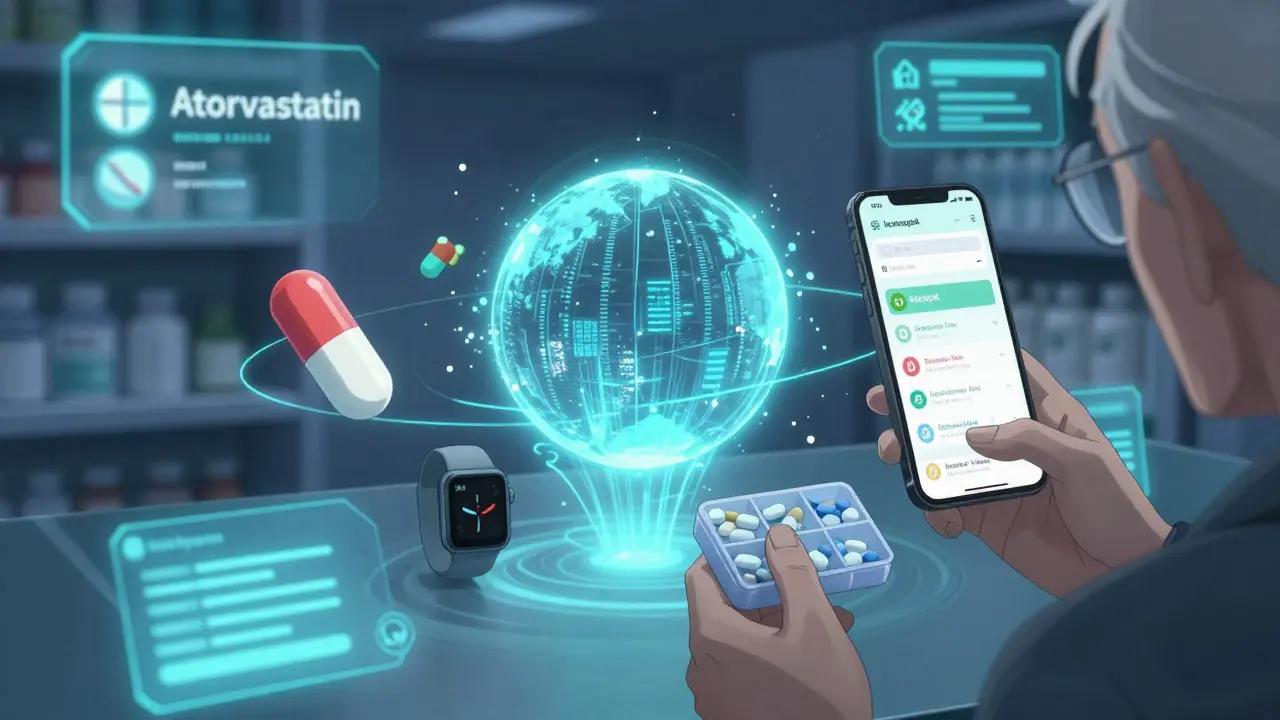
The tech is getting smarter. In late 2023, CVS started syncing auto-refill data with Apple Health. Now, if you use an iPhone, your medication schedule appears in the Health app alongside your steps and sleep. You can see whether you took your pill today - and get a nudge if you didn’t.By 2026, 67% of automated refill systems will use AI to adjust refill timing based on your behavior. If you usually pick up your meds on Thursday, but suddenly start waiting until Saturday, the system might shift your refill window. It’s not guessing - it’s learning.
Telehealth integration is growing too. If you have a virtual visit and your doctor prescribes a new generic, the system can auto-enroll you in refill mode right then and there - no extra steps.
Who Should Use It - And Who Should Be Careful
Great for:- People on daily meds for chronic conditions (hypertension, diabetes, thyroid, cholesterol)
- Older adults or anyone with memory issues
- Busy parents, shift workers, or people who hate phone calls
- Those on Medicare Part D or Medicaid - these programs reward pharmacies for high adherence
Be cautious if:
- Your dose changes often (e.g., blood thinners, insulin)
- You’re on multiple pharmacies (systems don’t talk to each other)
- You’ve had bad experiences with automatic charges or unwanted deliveries
If you’re unsure, start with one medication. Try auto-refill for your statin or metformin. See how it feels. You can always turn it off.
Pro Tips for Safe Use
- Review your medication list every 3 months. Does the pharmacy still have the right dose?
- Check your delivery history. Are you getting refills too soon? Ask for a 90-day cycle if you’re on a 30-day system.
- Use a pill organizer with your auto-refill. It helps you notice if a dose is missing.
- Call your pharmacy if you stop taking a med. Don’t wait for them to catch on.
- Enroll through your main pharmacy - not just Amazon or a mail-order service. That way, they have your full history.
Automated refills don’t fix bad habits. But they remove the biggest barrier: remembering. For generic medicines - the kind most people take for years - that’s everything.
Can I turn off automated refills anytime?
Yes. You can pause, cancel, or modify your auto-refill settings anytime through your pharmacy’s app, website, or by calling customer service. No penalty. No long-term commitment. Just make sure to do it before the refill is processed.
Do I have to pay extra for automated refills?
No. The service itself is free. You still pay your regular copay or insurance rate. Some services like Amazon RxPass charge a monthly fee ($5) to access a list of 60 generics, but that’s optional. Most pharmacies offer auto-refill at no added cost.
What if I go on vacation and don’t need my meds for a few weeks?
Delay the refill. Most systems let you skip one or two cycles. Just respond to the notification and select “delay” or “cancel.” If you’re going away for months, call your pharmacy - they can pause the program entirely until you return.
Are automated refills safe for elderly patients?
Yes - and often especially helpful. Many seniors struggle to remember refill dates. Auto-refills reduce missed doses and hospital visits. Pharmacies like CVS and Walgreens offer in-person help for seniors who need assistance setting it up. Family members can also manage the account with permission.
Can automated refills cause me to get too much medicine?
It’s possible - but rare. Studies show that auto-refill programs actually reduce medication waste compared to manual refills. Why? Because people who forget to refill often end up with double doses when they finally remember. Auto-refill prevents that. Still, if you stop taking a drug, tell your pharmacy. Otherwise, you might keep getting it.
Do all online pharmacies offer this?
Most major ones do - CVS, Walgreens, Amazon Pharmacy, Express Scripts, and Kaiser Permanente. Independent pharmacies are slower to adopt, but many now offer it too. If your pharmacy doesn’t, ask. Demand drives change.
What Comes Next
The future of automated refills isn’t just about convenience - it’s about connection. Imagine a system that notices you haven’t picked up your pill in 10 days and calls you. Or one that alerts your doctor if your refill pattern changes suddenly. That’s already happening in pilot programs.For now, the best thing you can do is enroll - for one medication. See how it feels. If it works, expand. If it doesn’t, you’re no worse off than before. But for the millions who forget, delay, or skip doses, this system isn’t just helpful. It’s necessary.


Hi, I'm Caden Lockhart, a pharmaceutical expert with years of experience in the industry. My passion lies in researching and developing new medications, as well as educating others about their proper use and potential side effects. I enjoy writing articles on various diseases, health supplements, and the latest treatment options available. In my free time, I love going on hikes, perusing scientific journals, and capturing the world through my lens. Through my work, I strive to make a positive impact on patients' lives and contribute to the advancement of medical science.