
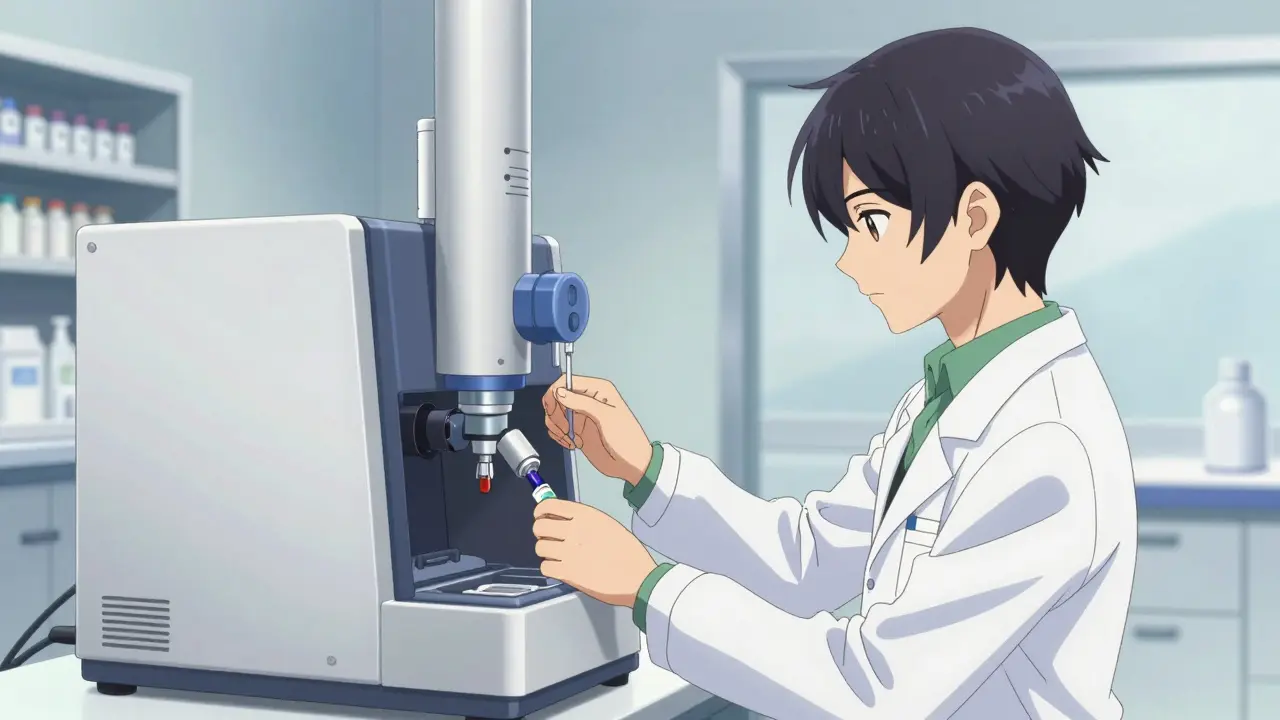
The stakes are high here. A simple spill or a mistake in dosage isn't just a clerical error; it can lead to severe health complications for the patient or long-term occupational hazards for the staff. To manage this, global health organizations have built a rigid framework of safety protocols. In recent years, the focus has shifted from just "chemo" to a broader term called antineoplastic therapy, which covers everything from traditional drugs to the latest immunotherapies.
The Golden Rules of a Safe Environment
Safety starts long before the drug reaches the patient. It begins with the physical space where the medication is stored and mixed. A safe facility isn't just a clean room; it's an engineered environment designed to keep hazardous vapors and particles away from people.
One of the most critical tools in modern clinics is the Closed-System Transfer Device (or CSTD), which is a specialized piece of equipment that prevents the escape of hazardous drugs into the environment during the transfer of fluids. These devices are essential because they stop aerosols and vapors from leaking into the air, protecting the healthcare worker from inhaling toxic fumes.
When it comes to clothing, standard surgical scrubs aren't enough. Staff must use specific Personal Protective Equipment (PPE) that is tested for permeability. For instance, guidelines from NIOSH (the National Institute for Occupational Safety and Health) require chemotherapy-tested double gloves. Why double? Because certain high-risk drugs, like carmustine or thiotepa, can seep through a single layer of glove. To stay safe, nurses wear two pairs and treat all PPE as contaminated the moment it's used, as studies have shown that toxins easily transfer from the outer glove to the skin or surrounding surfaces.
The Four-Step Verification Process
Medication errors in oncology can be catastrophic. To fight this, the 2024 updated standards from ASCO (American Society of Clinical Oncology) and the ONS (Oncology Nursing Society) have introduced a rigorous check-and-balance system. The goal is to ensure the right patient gets the right dose of the right drug, every single time.
The most significant change is the mandatory fourth verification step. Here is how the safety chain usually works:
- The doctor orders the drug based on the patient's specific body surface area and diagnosis.
- The pharmacist verifies the order and prepares the dose in a sterile, controlled environment.
- The pharmacy dispenses the drug and it is checked by a second licensed professional.
- The Bedside Check: This is the new gold standard. At least two licensed clinicians must verify the medication in the patient's presence using two unique patient identifiers before a single drop is administered.
This extra step might seem tedious-some nurses report it adds nearly 10 minutes to their workflow-but it's designed to eliminate the 18% of adverse events caused by patient identification errors. It's a trade-off: a bit more time spent on the front end prevents life-threatening mistakes on the back end.
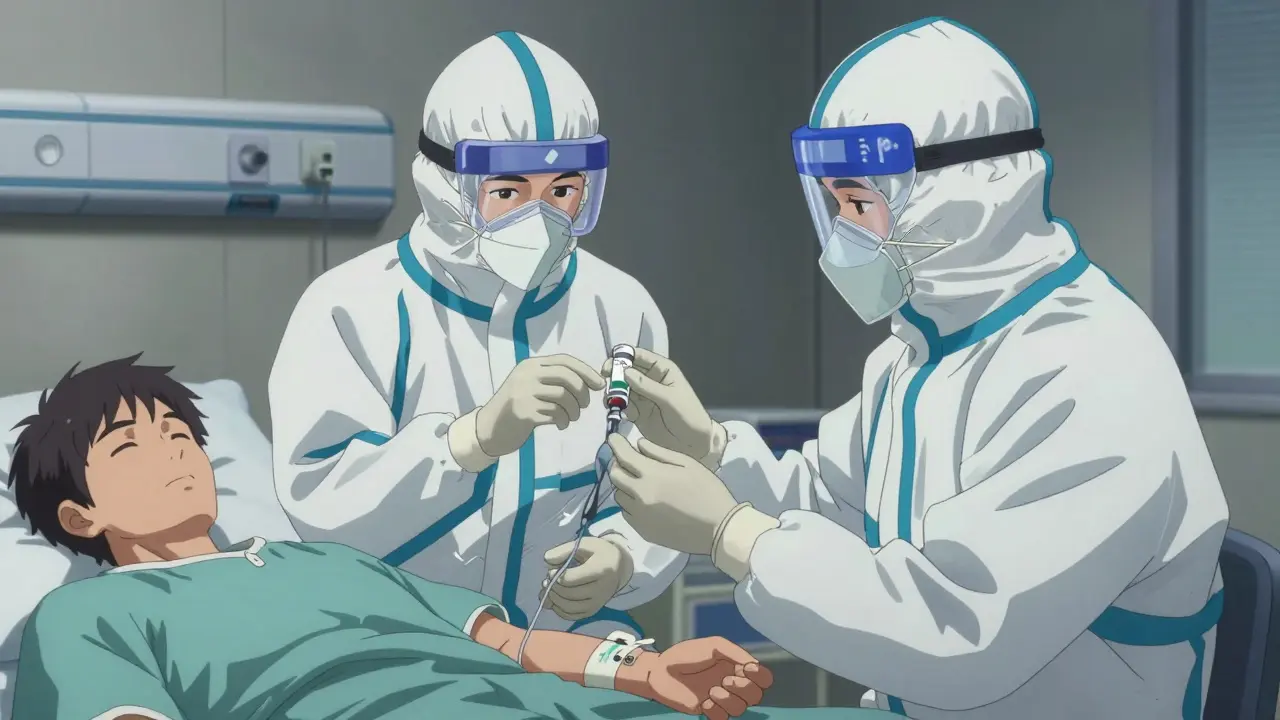
Managing the Risks of Modern Immunotherapies
Cancer treatment has evolved. We are seeing a massive rise in the use of immunotherapies, which work differently than traditional chemo. While they are often more effective, they bring a new risk: Cytokine Release Syndrome (or CRS), which is a systemic inflammatory response that can cause high fever, low blood pressure, and organ failure.
Because CRS cases increased by 300% between 2018 and 2022, safety protocols now mandate that facilities have institutional policies for immediate management. This means antidotes and CRS-directed therapies must be physically accessible and ready for use the moment a reaction begins. If these aren't managed instantly, mortality rates can climb as high as 15%.
| Risk Level | Typical Glove Protocol | Required Gear | Primary Concern |
|---|---|---|---|
| Standard Hazardous | Single/Double Chem-tested | Impermeable gown, Eye protection | Surface contamination |
| High-Permeability (e.g., Thiotepa) | Strict Double Gloving | Full PPE + Respiratory protection | Skin absorption/Permeation |
| Immunotherapies | Standard Hazard protocol | CSTD + Immediate access to antidotes | Systemic inflammation (CRS) |
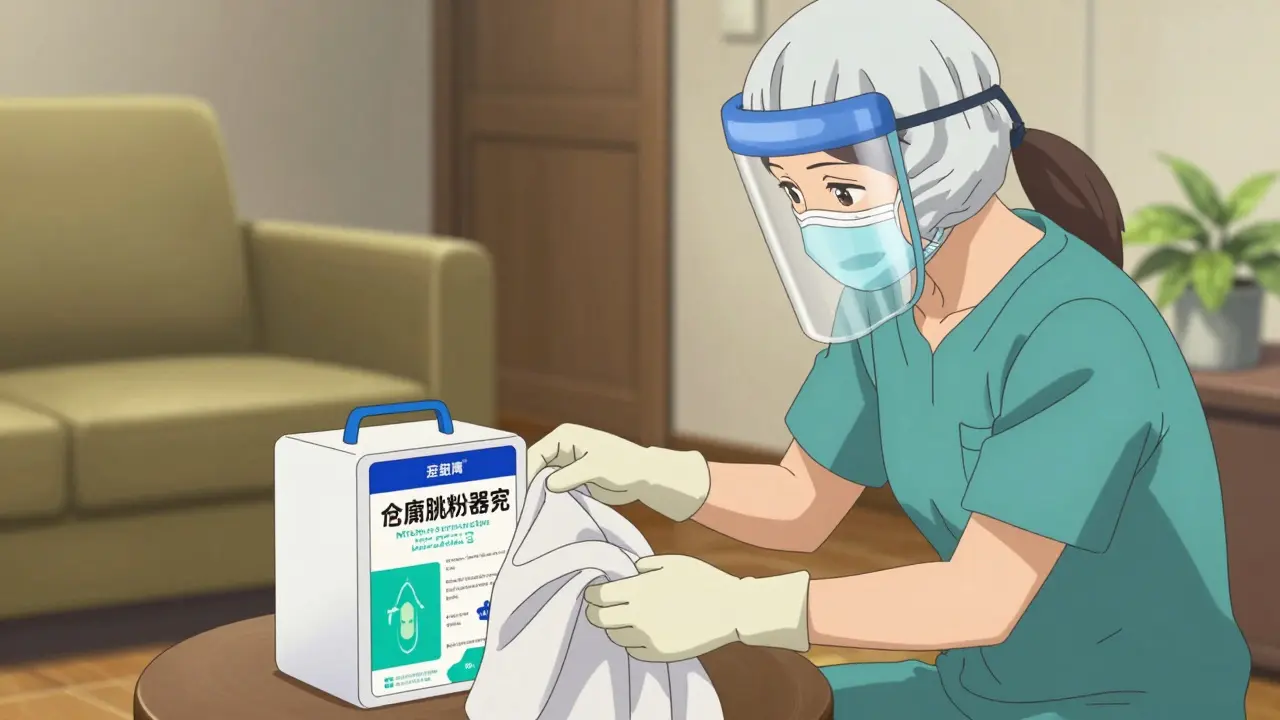
Bringing the Clinic Home: Caregiver Safety
Not all chemotherapy happens in a hospital. Many patients now receive treatment at home, which creates a massive safety gap. Most caregivers are not trained professionals, and that's where the danger peaks. Statistics show that about 22% of home care incidents involve improper waste disposal, and 17% involve failing to manage spills correctly.
If you are caring for someone at home, you need to treat their surroundings as a potential hazard zone for several days. For 48 to 72 hours after treatment, bodily fluids (urine, sweat, vomit) can contain active chemotherapy agents. This means you should use gloves when handling laundry or cleaning up after the patient. Additionally, always store medications in child-proof locations and keep a specialized chemotherapy spill kit on hand. Don't use a standard paper towel for a chemo spill; you need the absorbent materials found in professional kits to prevent the chemical from spreading.
The Cost of Compliance and the Equity Gap
Implementing these safety standards isn't cheap. For a medium-sized practice, the initial investment for facility modifications and staff training can range from $30,000 to $47,000, with thousands more spent annually on PPE and hazardous waste disposal. Electronic Health Record (EHR) systems often need custom builds to support the four-step verification, adding another $15,000 to $40,000 to the bill.
This creates a troubling divide. While large, well-funded cancer centers can easily afford USP <800> compliance (the standard for handling hazardous drugs in healthcare settings), many rural clinics cannot. When 43% of rural programs report an inability to afford the necessary equipment like CSTDs, it creates a two-tiered safety system where a patient's zip code might determine the level of safety they receive during treatment.
Why is double gloving necessary for some chemotherapy drugs?
Some antineoplastic agents, such as carmustine and thiotepa, have high permeation rates, meaning they can soak through a single layer of nitrile or latex gloves quickly. Double gloving provides an extra barrier and allows the wearer to remove the outer contaminated glove without exposing their skin to the chemicals.
What is the "fourth verification step" in drug administration?
The fourth verification is a bedside check performed by two licensed clinicians. They verify the patient's identity using two identifiers and confirm the drug and dose specifically in the patient's presence. This is designed to catch identification errors that previous pharmacy-based checks might have missed.
How long do chemotherapy agents remain in bodily fluids?
Generally, hazardous drug residues can be found in urine, feces, and sweat for 48 to 72 hours after the treatment is administered. During this window, caregivers should use gloves and follow specific disposal protocols for all bodily fluids to avoid accidental exposure.
What should I do if a chemotherapy spill occurs at home?
Do not use a standard cloth or paper towel. Use a professional chemotherapy spill kit, which contains specialized absorbent materials and PPE. Isolate the area, put on gloves and a gown, and follow the kit's instructions for cleaning and disposing of the waste in a hazardous materials container.
What is Cytokine Release Syndrome (CRS) and why is it a safety concern?
CRS is a systemic inflammatory response often triggered by immunotherapies. It can cause a dangerous drop in blood pressure and respiratory failure. Because it can happen suddenly, safety standards now require facilities to have immediate access to specific antidotes and management protocols to prevent high mortality rates.
I am a pharmaceutical expert with over 20 years of experience in the industry. I am passionate about bringing awareness and education on the importance of medications and supplements in managing diseases. In my spare time, I love to write and share insights about the latest advancements and trends in pharmaceuticals. My goal is to make complex medical information accessible to everyone.