

Switching to generic medications saves money-often a lot of it. In Australia, generics make up over 80% of prescriptions filled, and the same is true in the U.S., where they save patients billions every year. But here’s the thing: not all generics work the same way for everyone. You might switch from your brand-name pill to a cheaper version and suddenly feel off. Fatigue. Headaches. Even mood swings. It’s not all in your head. And the best way to figure out if it’s the medication-or something else-is to keep a simple, honest medication journal.
Why Your Generic Might Feel Different
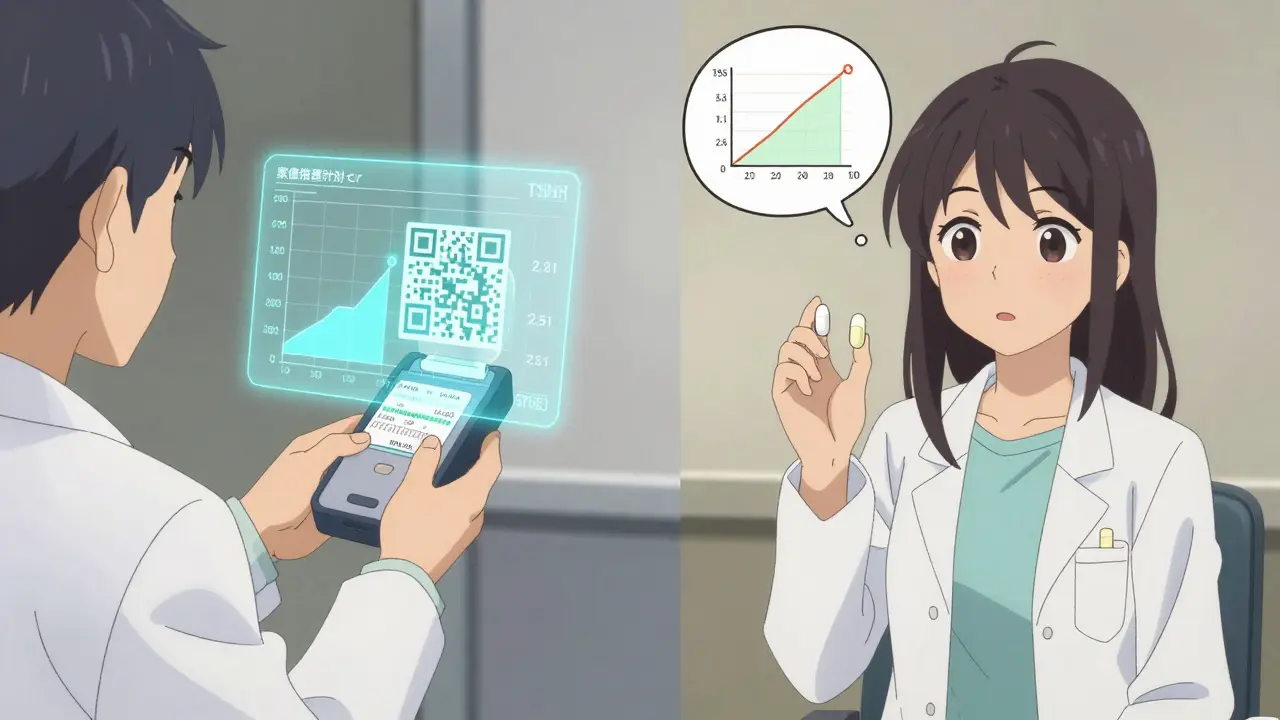
The FDA says generics must be bioequivalent to the brand name. That means they deliver the same active ingredient in the same amount, and they’re supposed to work the same. But bioequivalence doesn’t mean identical. The acceptable range is 80% to 125% of the brand’s absorption rate. That’s a wide gap. For most people, it doesn’t matter. But for those on drugs with a narrow therapeutic index-like warfarin, levothyroxine, or seizure meds-even a small shift can cause real problems. Take levothyroxine. A 2023 study in the Journal of Clinical Endocrinology & Metabolism found that patients who switched between different generic manufacturers saw their TSH levels jump by as much as 40% within weeks. One person’s “normal” TSH might be 2.1. After switching manufacturers, it could spike to 5.8. Symptoms? Weight gain, cold intolerance, brain fog. They didn’t change their diet. Didn’t stop sleeping. The only thing that changed? The pill in the bottle. And it’s not just about the active ingredient. The fillers, dyes, binders, and coatings? Those vary between manufacturers. Some people are sensitive to these inactive ingredients. A red dye in one version might cause a rash. A different coating might make the pill dissolve too fast-or too slow-changing how much gets into your bloodstream.What to Write in Your Journal
You don’t need a fancy app or a clinical notebook. Just a notebook, a phone note, or a printed template. The goal is to track patterns-not guess at them. Here’s what to record every time you take your medication:- Medication name-both brand and generic. Write down the manufacturer too (e.g., “Levothyroxine, Dr. Reddy’s” or “Simvastatin, Mylan”).
- Dosage-exact amount (e.g., 50 mcg, 20 mg).
- Lot number-found on the bottle or blister pack. If you switch lots, write it down. This helps if there’s a recall or quality issue.
- Date of switch-when you started the new version.
- Symptoms-use a scale. Rate pain, fatigue, anxiety, or dizziness from 1 to 10. Write down when they started, how long they lasted, and what made them better or worse.
- Side effects-nausea? Headache? Rash? Sleep changes? Note the time of day and how long after taking the pill they appeared.
- Physical changes-did the pill look different? Color? Shape? Imprint? Size? Many patients report confusion when pills change appearance, even if the name is the same.
- Objective data-if you monitor blood pressure, blood sugar, INR, or thyroid levels, record them. A single lab value can tell you more than a week of symptoms.
- Adherence-did you miss a dose? Why? Forgot? Couldn’t afford it? Couldn’t swallow it?
When Your Journal Matters Most
Not everyone needs to journal. But if you’re on one of these, it’s not optional:- Thyroid meds (levothyroxine)
- Blood thinners (warfarin)
- Seizure drugs (phenytoin, carbamazepine)
- Immunosuppressants (tacrolimus, cyclosporine)
- Heart rhythm drugs (digoxin)
Digital vs Paper: Which Works Better?
Apps like Medisafe and MyTherapy are popular. They send reminders, let you log symptoms with a tap, and even share reports with your doctor. But here’s the catch: 62% of Australians over 65 still prefer paper. Why? Simplicity. No passwords. No battery. No app updates. If you’re tech-savvy and use your phone all day, an app might work. But if you’re older, or just want to avoid screens, grab a notebook. The CDC offers a free printable template. Print it. Laminate it. Keep it in your wallet. Use a pen. The act of writing helps your brain notice patterns. One study in the Journal of Patient Experience found that people using structured templates (with columns for manufacturer, lot, and symptom scale) were 63% more likely to spot a connection between their symptoms and a specific generic version than those writing freely.How to Use Your Journal With Your Doctor
Don’t wait until you’re in crisis. Bring your journal to your next appointment. Say: “I switched generics last month and noticed these changes.” Show them the dates, the symptoms, the numbers. Doctors often don’t ask. Pharmacies don’t track it. But when you show up with data, they listen. A 2022 University of Michigan study found that patients who brought medication journals to appointments had 32% fewer unnecessary medication changes and 27% higher adherence rates. If your doctor dismisses your concerns, ask: “Is this a narrow therapeutic index drug? Should I be tracking this?” If they still don’t take it seriously, ask for a referral to a clinical pharmacist. Pharmacists are trained to spot these subtle differences.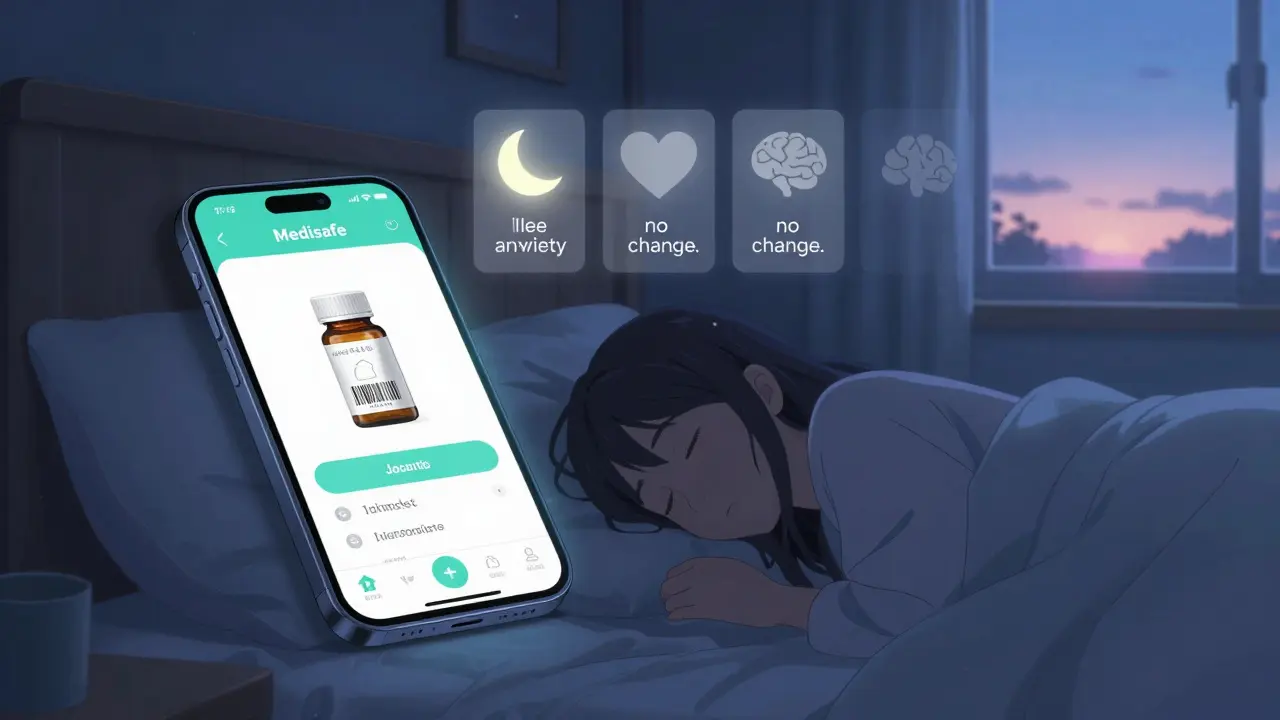
What Doesn’t Work
Journaling won’t help if:- You’re on an antidepressant with a 4-6 week onset. It’s hard to link symptoms to a switch when effects take so long.
- You only record symptoms when you feel bad. Consistency matters. Even on good days, log “no change.”
- You don’t track the manufacturer or lot number. Two pills with the same name can be from totally different factories.
- You stop after a month. The most common reason people quit? “It got too boring.” But the real value comes after 6-8 weeks.
What’s Changing in 2026
The FDA is pushing for better tracking. In early 2024, they partnered with Apple Health to build standardized medication logs into iOS 17. Now, when you scan a prescription label, your phone can auto-fill the manufacturer and lot number. That’s huge. In Australia, the TGA (Therapeutic Goods Administration) is starting to require manufacturers to list batch-specific bioequivalence data on packaging. A QR code on your pill bottle might soon link to a page showing how that batch compares to the brand. And AI is coming. Microsoft’s Healthcare NExT team built a prototype that reads your journal entries and predicts if a switch is likely to cause problems-based on thousands of similar cases. It’s not perfect. But it’s getting close.Final Thought: You’re the Best Reporter
No lab test, no algorithm, no doctor can feel what you feel. If you’re tired after a switch. If your joints ache. If your mood drops. You’re the only one who knows. Your journal isn’t just data. It’s your voice. And in a system that’s designed to save money-not necessarily to listen-it’s the most powerful tool you have.Start today. Write down the name of your pill. The manufacturer. The date. How you felt. You don’t need to be perfect. Just consistent. Because the next time you switch-and you will-you’ll know if it’s the drug… or just the bottle.
Do I need to journal if I’m not on a high-risk medication?
You don’t *need* to, but it’s still useful. Many people notice subtle changes-like headaches, nausea, or sleep issues-after switching generics, even on low-risk drugs like statins or blood pressure pills. Journaling helps you know if it’s the medication or something else. If you’re unsure, try it for 4 weeks. You might be surprised what you learn.
Can my pharmacist help me with my journal?
Yes, and they should. Pharmacists are trained to spot bioequivalence issues and manufacturer differences. Some pharmacies in Australia now offer free journal reviews. Ask if your pharmacist can check your entries during a med check-up. They can also tell you if your generic has an AB rating (interchangeable) or BX (not fully proven).
What if my generic looks different every time I refill?
That’s common. Insurance companies switch manufacturers to save money. If your pill changes color, shape, or size every refill, write it down. Note the manufacturer name and lot number. Some patients report side effects only with certain brands. Your journal helps you identify which one works best for you-so you can ask your doctor to specify it on the prescription.
Is there a free template I can use?
Yes. The CDC offers a free printable medication journal template. The Epilepsy Foundation also has a detailed one for seizure meds. Search for “CDC medication tracking template PDF” or “Epilepsy Foundation medication journal.” Many pharmacies also hand them out. You can also use a simple spreadsheet with columns for date, drug, manufacturer, dose, symptoms, and lab values.
How long should I journal before seeing a pattern?
Most people start noticing patterns within 2 to 4 weeks. For drugs with slow effects-like antidepressants-wait 6 to 8 weeks. The key is consistency. Don’t skip days. Even if you feel fine, write “no change.” That data matters. The more complete your log, the clearer the picture.


Hi, I'm Caden Lockhart, a pharmaceutical expert with years of experience in the industry. My passion lies in researching and developing new medications, as well as educating others about their proper use and potential side effects. I enjoy writing articles on various diseases, health supplements, and the latest treatment options available. In my free time, I love going on hikes, perusing scientific journals, and capturing the world through my lens. Through my work, I strive to make a positive impact on patients' lives and contribute to the advancement of medical science.