
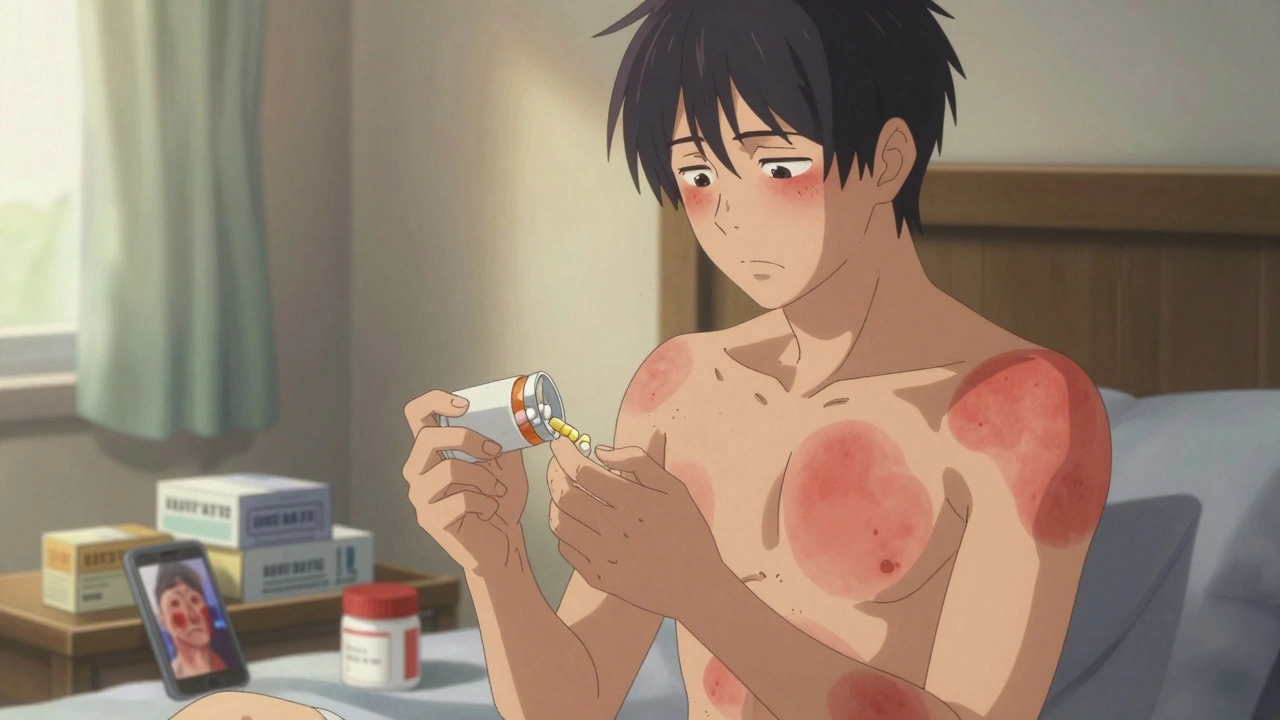
Drug Rash Severity Checker
This tool helps you assess the severity of a potential medication-induced rash. It is NOT a substitute for professional medical advice. If you experience any emergency symptoms, seek immediate medical attention.
When you start a new medication, you expect relief-not a rash. But if your skin suddenly turns red, itchy, or covered in bumps, it might not be a coincidence. About 2-5% of all adverse drug reactions show up on the skin. That’s more common than most people realize. And while most of these reactions are mild, some can be life-threatening. Knowing the difference could save your life.
What Does a Drug Rash Look Like?
Not all skin reactions from medications look the same. The most common type is a morbilliform rash-think measles-like spots. These are flat, red patches or small raised bumps that usually show up on your chest, back, or arms. They often appear 4 to 14 days after starting a new drug, but sometimes they show up even after you’ve stopped taking it. You might feel a little feverish, but you won’t usually have blisters or peeling skin. This type makes up 90-95% of all drug rashes and almost always goes away within 1-2 weeks after stopping the medicine. Other types look very different. Drug-induced urticaria (hives) shows up as raised, red, itchy welts that can move around your body. These often come on fast-sometimes within minutes of taking a pill-and usually clear up in 24 to 48 hours after stopping the drug. Then there’s nummular dermatitis, which looks like coin-shaped, scaly patches. It’s often mistaken for eczema, but if it shows up right after starting a new medication and clears up quickly after stopping it, that’s a red flag. About 30-40% of these cases are misdiagnosed as regular eczema, delaying the right treatment.The Dangerous Ones: When to Go to the ER
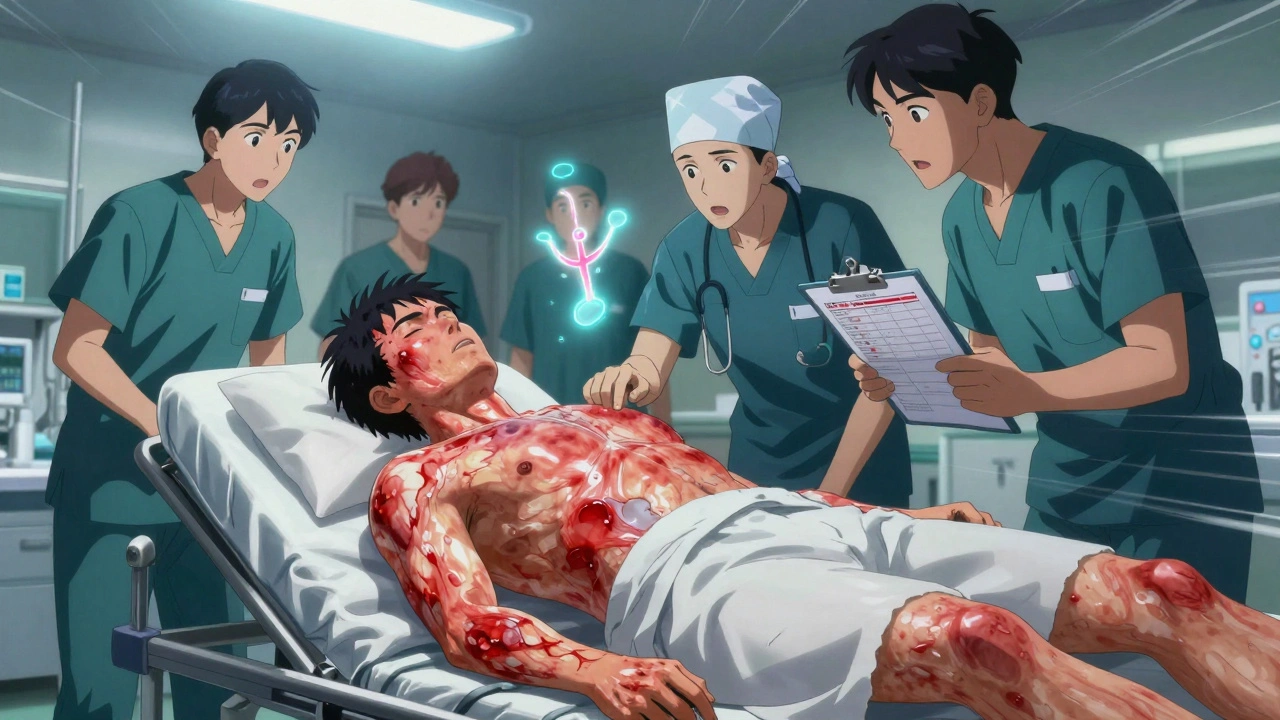
Most drug rashes are annoying, not deadly. But a small number can turn deadly fast. These are called severe cutaneous adverse reactions, or SCARs. They include:- Stevens-Johnson Syndrome (SJS) and Toxic Epidermal Necrolysis (TEN): These cause painful blisters and large areas of skin peeling off, like a severe burn. SJS has a 5-15% death rate. TEN is even worse-with a 25-35% death rate. If you’re getting blisters in your mouth, eyes, or genitals, or if your skin is sloughing off, go to the emergency room now.
- DRESS syndrome (Drug Reaction with Eosinophilia and Systemic Symptoms): This isn’t just a skin problem. It hits your liver, kidneys, lungs, or heart. You’ll have a rash, fever, swollen lymph nodes, and abnormal blood tests showing high eosinophils. It usually starts 2-6 weeks after starting the drug. Antiepileptics like carbamazepine, phenytoin, and lamotrigine are the top triggers. Allopurinol (used for gout) and sulfonamide antibiotics are also common culprits. DRESS can take weeks to heal and often needs high-dose steroids.
- AGEP (Acute Generalized Exanthematous Pustulosis): This looks like tiny, pus-filled bumps all over your body. It comes on fast, often within 2 days of taking the drug, and usually clears up in a week after stopping it. Antibiotics like minocycline and vancomycin are frequent causes.
If you have any of these symptoms-fever, blistering, peeling skin, swelling in your face or throat, trouble breathing-don’t wait. Call 911 or go to the ER. These aren’t things you can treat at home.
Which Medications Cause the Most Rashes?
Some drugs are far more likely to cause skin reactions than others. The top offenders include:- Penicillin and related antibiotics: Responsible for 10% of all drug rashes and 80% of severe allergic reactions.
- Anticonvulsants: Carbamazepine, phenytoin, lamotrigine, and phenobarbital. These are linked to SJS and DRESS, especially in people with certain genetic markers like HLA-B*1502 (common in Southeast Asians) or HLA-B*5801 (common in Han Chinese).
- Allopurinol: Used for gout. Causes DRESS and SJS in about 5% of drug-related skin reactions.
- Sulfonamide antibiotics: Like Bactrim. Linked to 8% of all drug rashes.
- NSAIDs: Ibuprofen and naproxen. These don’t always cause true allergies-they can trigger non-allergic reactions that look like rashes in 25% of cases.
- Chemotherapy drugs: Often cause rashes as a side effect because they’re designed to kill fast-growing cells-including skin cells.
- Tetracyclines and fluoroquinolones: Doxycycline and ciprofloxacin can make your skin extremely sensitive to sunlight, leading to sunburn-like rashes.
And here’s something surprising: you don’t have to be allergic the first time you take a drug. Your immune system can get sensitized after one exposure-even from tiny amounts in food or environmental exposure-and react badly the next time.
Why Some People Are More at Risk
Not everyone who takes a risky drug gets a rash. Genetics, age, and health status matter a lot.- Genetics: If you’re of Southeast Asian descent and take carbamazepine, your risk of SJS jumps by 1,000 times if you carry the HLA-B*1502 gene. Testing for this gene before starting the drug is now standard in many countries.
- Age: Older adults taking five or more medications have a 35% lifetime risk of developing a drug rash. That’s seven times higher than someone taking just one or two drugs.
- Immune status: People with HIV or Epstein-Barr virus (mono) are 5 to 10 times more likely to get a severe rash from antibiotics like amoxicillin.
- Immune suppression: Cancer patients on chemo or steroids have a 3-5 times higher risk of drug-induced skin reactions.
It’s not just about the drug-it’s about your body’s unique reaction to it.
What to Do If You Get a Rash
If you notice a new rash after starting a medication:- Don’t stop the drug on your own-especially if it’s for epilepsy, heart disease, or mental health. Stopping suddenly can be dangerous.
- Take a photo of the rash. It helps your doctor track changes.
- Call your doctor. Describe the rash, when it started, and any other symptoms (fever, pain, swelling).
- If it’s mild (just red bumps, no blisters, no trouble breathing): Your doctor may suggest switching the drug or adding an antihistamine. For itchiness, try lukewarm baths with fragrance-free cleansers, then apply moisturizer within 3 minutes. Over-the-counter hydrocortisone cream (1%) applied twice a day can help.
- If it’s severe (blistering, peeling, fever, swelling): Go to the ER. Don’t wait. Bring a list of all your medications, including supplements.
Even if the rash goes away, tell your doctor. You might need to avoid that drug forever-and others in the same class. For example, if you had a reaction to penicillin, you may need to avoid amoxicillin and other beta-lactams too.
Testing and Diagnosis: What’s Possible Today
Doctors used to guess which drug caused the rash. Now, testing helps confirm it.- Penicillin skin testing is over 95% accurate at identifying true allergies. Many people who think they’re allergic to penicillin aren’t-and can safely take it again.
- Genetic testing for HLA-B*1502 and HLA-B*5801 is now routine before prescribing carbamazepine or allopurinol in high-risk populations.
- Drug challenge tests are sometimes done in controlled hospital settings to confirm if a specific drug caused a reaction.
- Blood tests can check for eosinophilia (high eosinophil counts), which points to DRESS or other systemic reactions.
But here’s the catch: there’s no perfect test for most drug rashes. Often, the diagnosis comes from timing-when the rash appeared after starting the drug, and how fast it cleared after stopping it.
Prevention: How to Stay Safe
You can’t always prevent a drug rash, but you can reduce your risk:- Know your meds. Keep a list of all drugs you take-including vitamins and supplements-and share it with every doctor.
- Ask about side effects. When a new drug is prescribed, ask: “What skin reactions should I watch for?”
- Be cautious with antibiotics if you have a viral infection. Amoxicillin causes rashes in up to 90% of people with Epstein-Barr virus-even if they’re not allergic.
- Use sunscreen if you’re on drugs that cause photosensitivity (like doxycycline, hydrochlorothiazide, or ciprofloxacin).
- Get tested if you’re high-risk. If you’re of Southeast Asian or Han Chinese descent and need an anticonvulsant or allopurinol, ask about genetic testing before starting.
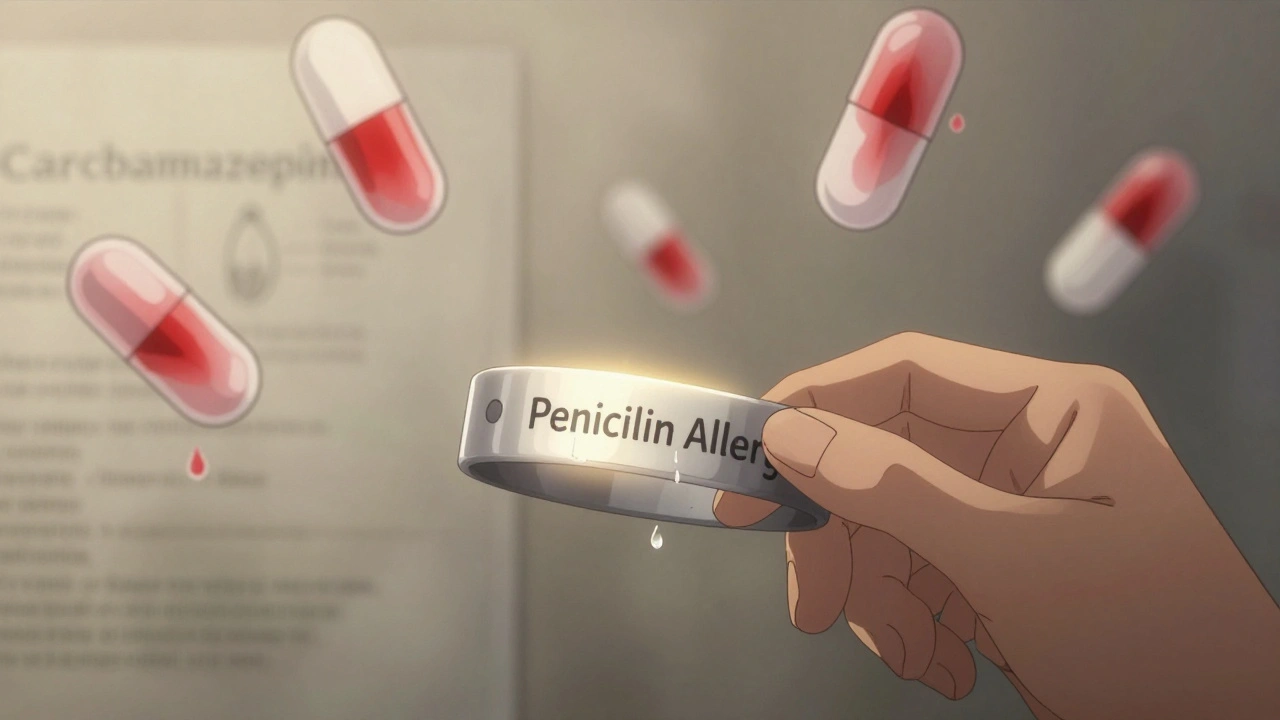
And remember: if you’ve had a severe reaction before, wear a medical alert bracelet. It could save your life in an emergency.
Final Thought: Don’t Panic, But Don’t Ignore It
Most drug rashes are harmless and go away on their own. But the ones that aren’t? They come fast and hit hard. The key isn’t avoiding all medications-it’s knowing when to act. If your skin changes after starting a new pill, pay attention. Take a photo. Call your doctor. Don’t wait for it to get worse. Your skin is sending a signal. Listen to it.Can a drug rash happen the first time you take a medication?
Yes. While many drug allergies develop after prior exposure, your immune system can become sensitized from tiny amounts of a drug in food, environmental exposure, or even a previous dose you didn’t notice. That’s why some people get a severe rash the very first time they take penicillin or sulfonamides-even if they’ve never taken it before.
How long does a drug rash last after stopping the medicine?
It depends on the type. Mild morbilliform rashes usually clear in 1-2 weeks. Hives fade in 24-48 hours. Nummular dermatitis takes 4-8 weeks. DRESS syndrome can take 3-6 weeks to resolve, even after stopping the drug, because it affects internal organs. Severe reactions like SJS/TEN may take months to fully heal, and scarring or long-term skin changes are possible.
Can I take another drug in the same class if I had a rash?
It depends. If you had a mild rash from amoxicillin, you might tolerate another penicillin-but you shouldn’t assume it’s safe. For severe reactions like SJS or DRESS, you should avoid the entire class of drugs. For example, if you had DRESS from carbamazepine, you should avoid all aromatic anticonvulsants like phenytoin and lamotrigine. Always check with your doctor or an allergist before trying any similar medication.
Are over-the-counter creams safe for drug rashes?
For mild rashes, yes. Hydrocortisone 1% cream and moisturizers can help with itching and dryness. But avoid strong steroid creams (like clobetasol) unless prescribed. And never use antihistamine creams-they can make some rashes worse. If the rash is spreading, blistering, or painful, stop all creams and see a doctor.
Is a drug rash the same as a drug allergy?
Not always. A drug allergy means your immune system reacted to the drug, often with IgE antibodies (like in hives or anaphylaxis). But many drug rashes are non-allergic-caused by direct toxicity, photosensitivity, or inflammation without immune involvement. NSAIDs and radiocontrast dye often cause non-allergic reactions. Only about 10-20% of drug rashes are true allergies. The rest are side effects.
Can I be tested to see if I’m allergic to a specific drug?
Yes-for some drugs. Penicillin skin testing is highly accurate and widely available. For others, like sulfa drugs or anticonvulsants, testing isn’t reliable yet. Genetic testing for HLA-B*1502 and HLA-B*5801 is used before prescribing carbamazepine or allopurinol in high-risk groups. For most drugs, diagnosis relies on timing, symptoms, and whether the rash clears after stopping the medication.
What should I do if I think a medication caused my rash but I’m not sure which one?
Don’t guess. Bring a full list of all medications you’ve taken in the last 4-6 weeks-including supplements and OTC drugs-to your doctor. The rash may have been triggered by a drug you started weeks ago. Your doctor may suggest stopping one drug at a time under supervision to identify the culprit. Never stop multiple drugs at once, especially if they’re essential for your health.
Can drug rashes come back if I take the same drug again?
Yes. If you had a true allergic reaction or a severe reaction like SJS or DRESS, taking the drug again-even years later-can cause a faster, more severe reaction. That’s why it’s critical to document the reaction in your medical records and wear a medical alert bracelet. Even mild rashes can signal future risk.


I am a pharmaceutical expert with over 20 years of experience in the industry. I am passionate about bringing awareness and education on the importance of medications and supplements in managing diseases. In my spare time, I love to write and share insights about the latest advancements and trends in pharmaceuticals. My goal is to make complex medical information accessible to everyone.