
When you’re managing medications, knowing what you’re taking and why matters. But for millions of Spanish-speaking patients in the U.S., understanding generic drugs can be confusing - especially when the information is only available in English. That’s where Spanish-language resources on generic medications come in. These tools aren’t just translations. They’re lifelines that help people make smarter, safer choices about their health - and save money in the process.
Why Generic Medications Are Hard to Understand
Many Spanish-speaking patients hear phrases like “es lo mismo” - “it’s the same” - from their pharmacist. But what does that really mean? A pill that looks different, has a new name, or costs half as much can trigger fear. “¿Y si no funciona igual?” - “What if it doesn’t work the same?” - is a common worry. The truth? Generic medications contain the exact same active ingredients as brand-name drugs. They’re tested to meet the same FDA standards for safety and effectiveness. But patients don’t always know that. A 2023 survey by the California Health Care Foundation found that 63% of Spanish-preferring patients still doubted whether generics worked as well. Why? Because many resources didn’t explain it clearly - or at all.What’s Available in Spanish?
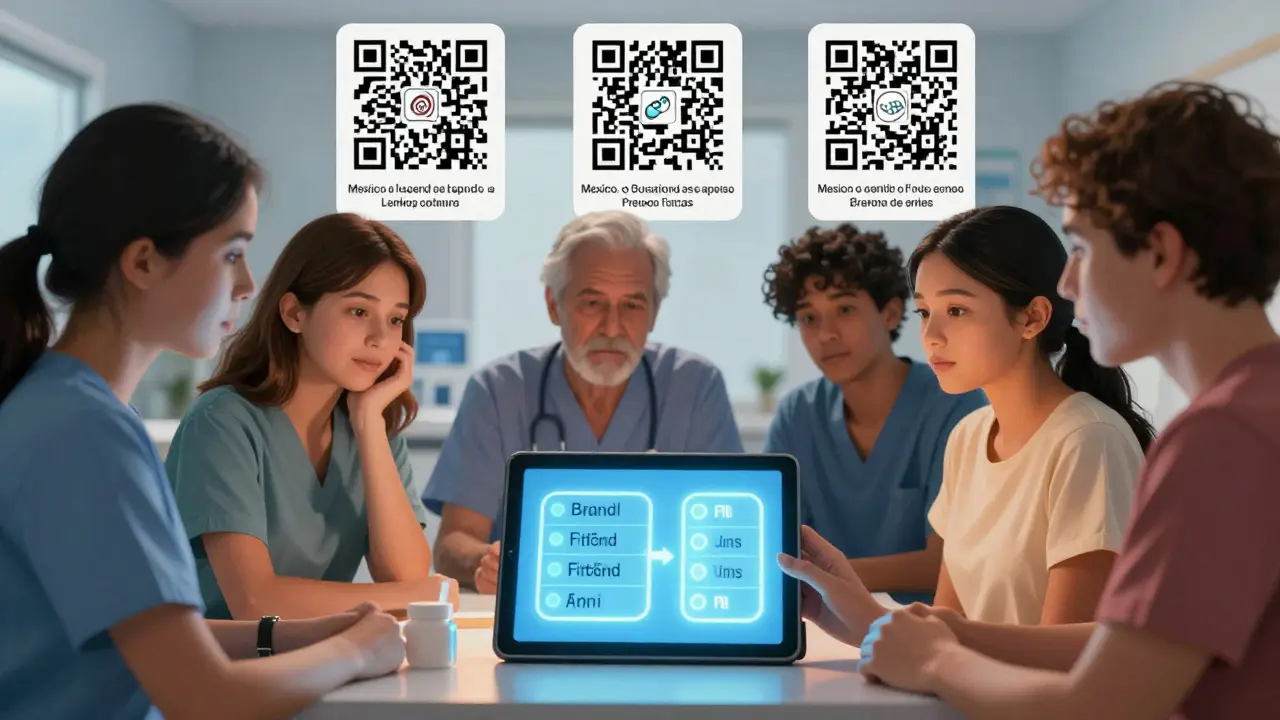
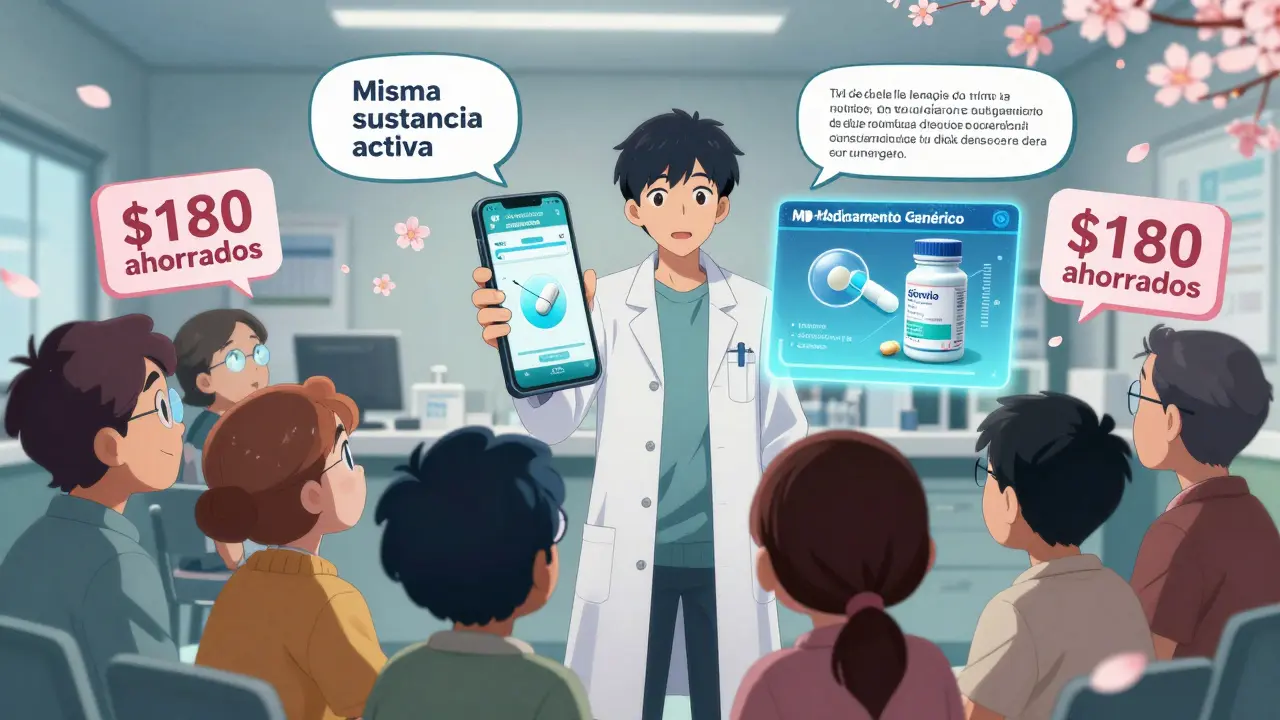
There are now several trusted, free resources designed specifically for Spanish speakers. The most practical? The AHRQ’s My Medicines List a bilingual tool from the Agency for Healthcare Research and Quality that helps patients track both brand and generic names, dosages, and reasons for use. Updated in February 2024, it includes QR codes that link to short videos in multiple Spanish dialects showing exactly how generics work. MedlinePlus the U.S. National Library of Medicine’s health information site offers a downloadable PDF that side-by-side compares brand names like “Lipitor” with their generic versions like “atorvastatin.” It also includes pictures of pills so patients can match what they see in the pharmacy. Then there’s the Medicamento Genérico a free mobile app launched by the National Institutes of Health in September 2023 that lets users scan a pill, compare it to brand versions, and hear how to pronounce medication names. It’s been downloaded over 147,000 times. One user wrote: “I used to throw away my generics because I thought they were fake. Now I know they’re real - and they saved me $180 a month.”How These Tools Help Real People
Take Rosa, 68, from Los Angeles. She was taking a brand-name blood pressure pill that cost $120 a month. Her pharmacist told her about the generic version - “losartán” - for $12. But Rosa refused. “The pill is smaller. It’s yellow. My old one was blue. How do I know it’s not weaker?” Her daughter found the Medicamento Genérico app and showed her the side-by-side comparison. They watched a 90-second video explaining that color and shape changes don’t affect how the medicine works. Rosa switched. She now saves $1,440 a year. This isn’t rare. A University of Miami study in 2022 found that when patients were shown visual comparisons of brand and generic pills, confusion dropped by 37%. The key? Seeing is believing.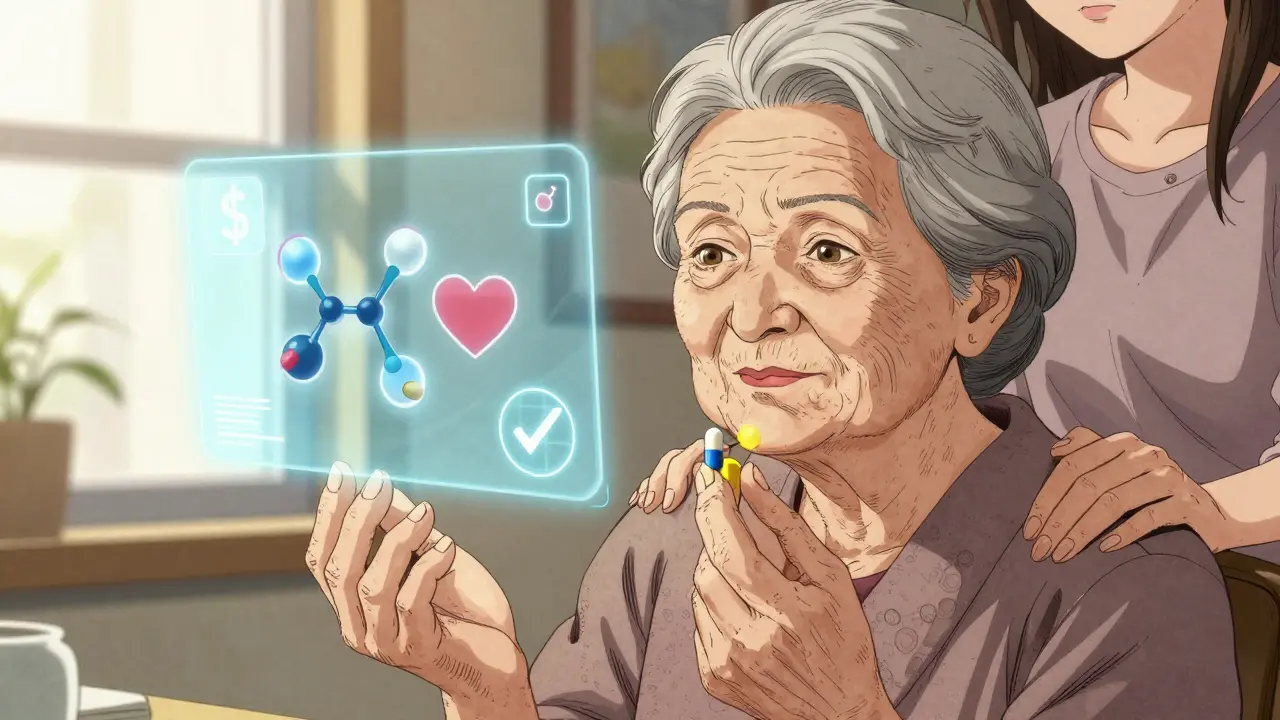
What’s Missing - and Why It Matters
Not all resources are created equal. Some hospital handouts use terms like “fármaco genérico” or “medicamento de marca,” which aren’t consistent across regions. In Spain, “paracetamol” is common. In Mexico and most of Latin America, it’s “acetaminofén.” Same drug. Different word. If a patient moves from Texas to Florida, or visits family in Puerto Rico, this mismatch can cause panic. A 2023 audit by the Health Resources and Services Administration found that only 28% of community health centers had resources that specifically explained therapeutic equivalence - the science behind why generics are just as effective. That’s a huge gap. Patients need to understand: same active ingredient = same effect. Also missing? Audio guides. Many older patients can’t read well - even in Spanish. That’s why Kaiser Permanente’s Spanish medication portal includes voice recordings of each medication name. One patient said: “I didn’t know how to say ‘metformina.’ Now I can ask for it without shame.”What Healthcare Providers Should Do
Doctors and pharmacists can’t assume patients understand generics just because they speak Spanish. The Wake AHEC pharmacy translation card gives providers simple phrases to use: “Esta medicina tiene una apariencia diferente, pero es lo mismo” - “This medicine looks different, but it is the same.” They should also:- Always offer the generic option first - don’t wait for the patient to ask.
- Use visual aids: show the pill, explain the color change, point to the active ingredient on the label.
- Ask: “¿Tiene alguna preocupación sobre el medicamento genérico?” - “Do you have any concerns about the generic medicine?”
- Never say “es igual” without explaining why.
Where to Find These Resources
You don’t need to search far. Here are the most reliable sources:- AHRQ’s My Medicines List (Spanish) - Available at ahrq.gov. Includes printable forms and video links.
- MedlinePlus.gov (Español) - Search “medicamentos genéricos” for side-by-side charts and pill images.
- Medicamento Genérico App - Free on iOS and Android. Scan pills, hear pronunciations, compare prices.
- Health Information Translations - Offers free PDFs with common drug names in English and Spanish.
What’s Next
The demand for these tools is growing. The U.S. Hispanic population is projected to hit 111 million by 2060. More than 90% of prescriptions filled are for generics - yet only a fraction of Spanish speakers fully understand them. That’s changing. New AI tools in electronic health records now generate personalized Spanish explanations based on where a patient is from - whether they’re from Mexico, Colombia, or Spain. The goal isn’t just to translate words. It’s to erase fear. To turn confusion into confidence. To help someone say: “Sí, puedo tomarlo. Es lo mismo - y me salva dinero.”What does "medicamento genérico" mean in English?
"Medicamento genérico" means "generic medication" in English. It refers to a drug that contains the same active ingredient as a brand-name medicine but is sold under a different name, often at a lower price. For example, "atorvastatina" is the generic version of "Lipitor." Both work the same way in the body.
Are generic medications really as effective as brand-name ones?
Yes. The U.S. Food and Drug Administration (FDA) requires generic drugs to have the same active ingredient, strength, dosage form, and route of administration as the brand-name version. They must also meet the same strict standards for quality, safety, and effectiveness. Studies show generics work just as well - and they’ve been used safely for decades.
Why do generic pills look different from brand-name pills?
Generic pills may look different because U.S. law requires them to have a different shape, color, or marking than the brand-name version. This avoids trademark infringement. But the active ingredient - the part that treats your condition - is identical. Visual aids showing side-by-side comparisons help patients understand this difference.
Is there a difference between "paracetamol" and "acetaminofén"?
No. "Paracetamol" is the term used in Spain and some European countries. "Acetaminofén" is used in Latin America and the U.S. Both refer to the exact same drug - a common pain reliever and fever reducer. This regional difference can confuse patients, especially if they travel or get prescriptions from different sources. Good Spanish-language resources explain these variations.
Where can I get free Spanish-language medication guides?
You can get free guides from trusted sources like AHRQ.gov, MedlinePlus.gov (Español), and the Medicamento Genérico app. Many community health centers and pharmacies also offer printed materials. Always look for resources that include both brand and generic names, pill images, and clear explanations of equivalence.


Hi, I'm Caden Lockhart, a pharmaceutical expert with years of experience in the industry. My passion lies in researching and developing new medications, as well as educating others about their proper use and potential side effects. I enjoy writing articles on various diseases, health supplements, and the latest treatment options available. In my free time, I love going on hikes, perusing scientific journals, and capturing the world through my lens. Through my work, I strive to make a positive impact on patients' lives and contribute to the advancement of medical science.