
Imagine finding out your expensive brand-name medication has a generic version, but you're terrified to switch because you've had bad reactions to generics in the past. You aren't alone. Many people struggle with the "pill lottery"-the fear that a different manufacturer's version of a drug won't work as well or will cause new side effects. This is where Authorized Generics is a specific type of generic drug that is identical to the brand-name product, manufactured by the same company or a licensee, and marketed without the brand name. It is the middle ground that offers the price of a generic with the exact formulation of the brand.
For patients and providers, the transition to these medications isn't just about swapping a bottle; it's about maintaining clinical stability while lowering costs. Because authorized generics use the same active and inactive ingredients as the original, they remove the guesswork from the switch, especially for those who are sensitive to fillers or dyes.
What Makes Authorized Generics Different?
Most people think all generics are the same, but there is a massive regulatory difference between a standard generic and an authorized one. Standard generics are approved via an Abbreviated New Drug Application (ANDA), meaning they must prove they are "bioequivalent" to the brand. This allows different manufacturers to use different inactive ingredients, known as excipients.
An Authorized Generic, however, is marketed under the brand-name drug's original New Drug Application (NDA). This means the FDA (Food and Drug Administration) doesn't even need to approve it separately because it is literally the same drug. Whether it's made in the same facility or by a licensed partner, the formula doesn't change. This is a huge win for patients who experience adverse reactions to specific dyes or preservatives in regular generics.
| Feature | Brand Name | Authorized Generic | Regular Generic |
|---|---|---|---|
| Active Ingredient | Same | Same | Same |
| Inactive Ingredients | Original | Identical to Brand | May Vary |
| FDA Approval Path | NDA | NDA (via Brand) | ANDA |
| Manufacturing Source | Original Company | Original Company/Licensee | Third-party Manufacturer |
| Price Point | Highest | Lower | Lowest |
Why the Transition Matters for High-Risk Drugs
Not all medication switches are equal. For some, a slight change in how a drug is absorbed is irrelevant. For others, it's a medical emergency. This is particularly true for Narrow Therapeutic Index (NTI) drugs. An NTI drug is one where the margin between a dose that works and a dose that is toxic is incredibly small. These medications make up about 5.3% of all prescriptions but carry the highest risk during a transition.
When a patient on an NTI drug switches to a regular generic, the variance in inactive ingredients can sometimes affect absorption. Data shows that authorized generics have a 28% lower incidence of therapeutic failure compared to regular generics during these switches. If you are managing a patient on a blood thinner or a potent seizure medication, the stability provided by an authorized generic can be the difference between a successful transition and a hospital visit.
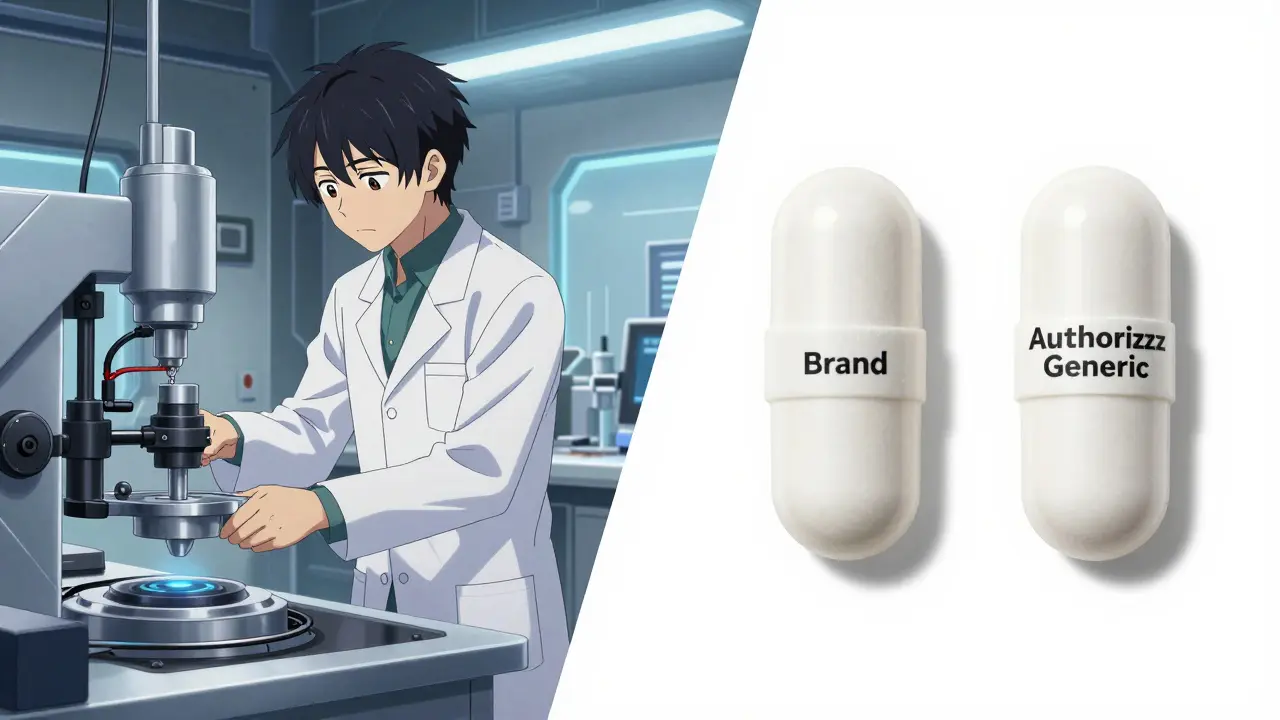
The Psychology of the "Switchback"
Have you ever had a patient insist that "the generic just doesn't work" despite the pharmacy confirming it's the same molecule? This is often a psychological or physiological reaction to the change in pill color, shape, or the fillers used. This leads to a "switchback," where the patient returns to the expensive brand name.
Research shows that switchback rates for regular generics are around 18.4%, but for authorized generics, that number drops to just 7.2%. Why? Because the patient isn't fighting a new formulation. In chronic conditions like asthma, the discontinuation rate is 42% lower when patients move to an authorized generic. When the drug feels and acts exactly like the brand, the patient's confidence remains high, and adherence improves.

Step-by-Step Guide to Managing the Transition
Moving a patient to an authorized generic requires more than just a new prescription. To ensure the patient doesn't panic or suffer a relapse, follow this professional protocol:
- Verify Availability: Use the FDA's Authorized Generic Finder tool or the Orange Book to confirm that an authorized version actually exists. Only about 37.5% of brand-name drugs with generics have an authorized version.
- Check the Insurance Formulary: This is the biggest pitfall. Some insurance plans put authorized generics in a "specialty tier" (Tier 3), which can actually make them more expensive than regular generics. Confirm the copay before the switch.
- Patient Education: Don't just say it's a generic. Explicitly tell the patient: "This is the exact same medication made by the same company, just without the brand name on the box." Using visual aids to show the identical nature of the formula helps reduce anxiety.
- Coordinate with the Pharmacist: Ensure the pharmacist knows the preference for the authorized version. Because many electronic health records (EHRs) don't distinguish between authorized and regular generics, a verbal or written note is often necessary.
- The 90-Day Monitoring Window: For the first three months, schedule a quick check-in at day 14 and day 30. This is especially critical for NTI drugs to ensure the therapeutic effect remains stable.
Real-World Hurdles: Cost and Access
If authorized generics are so great, why isn't everyone using them? The reality is that market dynamics and insurance bureaucracy get in the way. While the FTC reports that authorized generics generally lower retail prices by 4-8%, some patients find their insurance won't cover the authorized version while they will cover the brand. This creates a frustrating paradox where the "cheaper" drug costs the patient more out-of-pocket.
Additionally, there is a lack of awareness. A National Consumers League survey found that 41% of patients didn't even know authorized generics were an option. Most people just see "generic" and assume it's a lower-quality version of the original. Breaking this stigma requires providers to proactively mention the authorized status of the drug.
Are authorized generics the same as regular generics?
No. While both have the same active ingredient, authorized generics are produced by the brand-name manufacturer or their licensee using the exact same formula and inactive ingredients. Regular generics are made by other companies and must prove bioequivalence, but may use different fillers or dyes.
Will my insurance cover an authorized generic?
It depends on your plan. Most do, but some insurance companies place them in higher cost-sharing tiers than regular generics. Always check your specific formulary or ask your pharmacist to run a test claim to see the final copay.
Why are authorized generics better for NTI drugs?
Narrow Therapeutic Index (NTI) drugs have a very small window between a therapeutic dose and a toxic dose. Because authorized generics use the identical formulation as the brand, they eliminate the risk of absorption variances that can occur with regular generics, leading to a 28% lower rate of therapeutic failure.
How do I find if a drug has an authorized generic version?
The most reliable way is to use the FDA's "Authorized Generic Finder" tool within the Drugs@FDA database. You can also check the FDA Orange Book or consult with your pharmacist.
Do authorized generics have different side effects?
Generally, no. Since they use the identical active and inactive ingredients as the brand-name drug, the side effect profile is the same. This makes them a safer choice for patients who are sensitive to the fillers used in other generic versions.
I am a pharmaceutical expert with over 20 years of experience in the industry. I am passionate about bringing awareness and education on the importance of medications and supplements in managing diseases. In my spare time, I love to write and share insights about the latest advancements and trends in pharmaceuticals. My goal is to make complex medical information accessible to everyone.