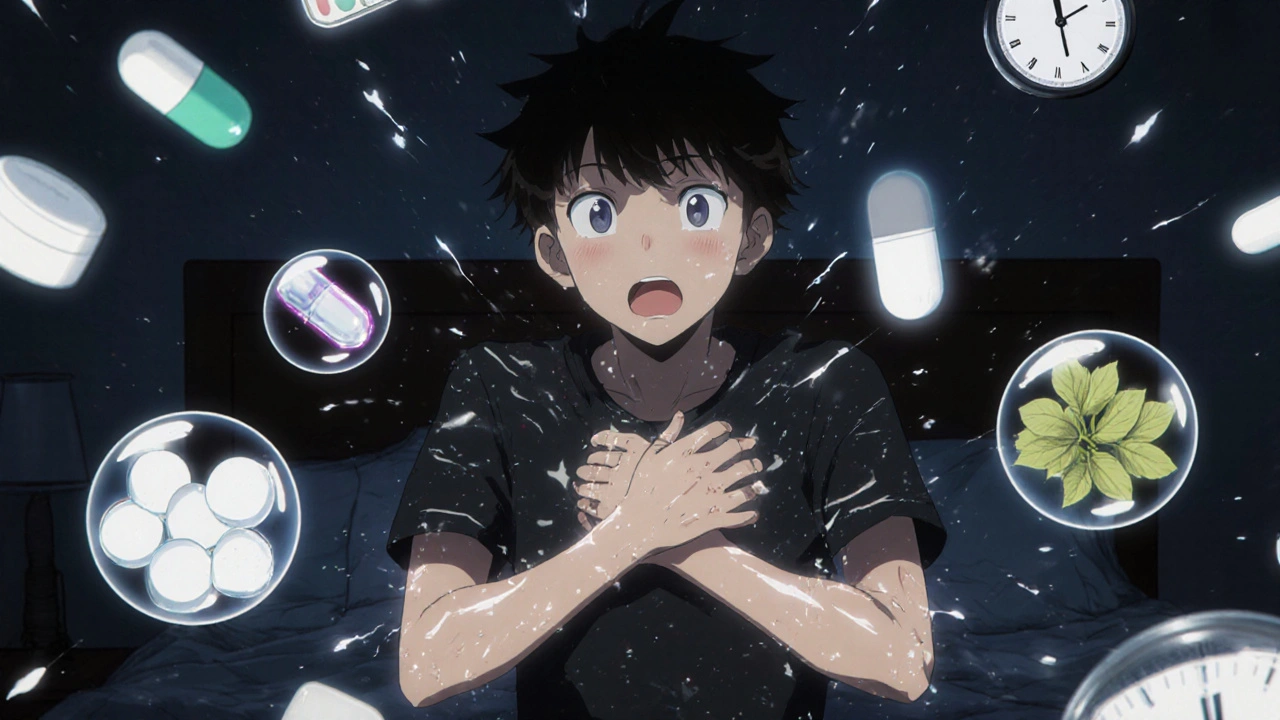
Serotonin syndrome is a life-threatening reaction caused by too much serotonin from medication interactions. Learn the warning signs, common drug triggers, and what to do in an emergency to save a life.

When something goes wrong suddenly—whether it’s a dangerous drug reaction, a stroke, or trouble breathing at high altitude—emergency treatment, the immediate actions taken to prevent death or permanent harm when a medical crisis strikes. Also known as acute intervention, it’s not about waiting for a doctor’s appointment. It’s about recognizing the signs and acting before it’s too late. Many people think emergency treatment means calling 911 and waiting. But in reality, the first few minutes are often the most critical, and knowing what to do can make the difference between life and death.
Take drug-induced thrombotic thrombocytopenic purpura, a rare but deadly blood disorder triggered by certain medications like quinine or clopidogrel. It doesn’t show up on a routine blood test. You’ll feel tired, confused, and maybe have bruising or dark urine. If you’re on one of these drugs and suddenly feel awful, don’t wait. This isn’t a cold. It’s a medical emergency that needs plasma exchange—fast. Similarly, blood thinners, medications like warfarin or DOACs used to prevent clots and strokes can turn dangerous if your INR level spikes. Too high, and you could bleed internally without warning. Too low, and a clot could form in your brain. Monitoring isn’t optional—it’s part of daily survival for many.
It’s not just about drugs. At high altitude, altitude sickness, a life-threatening condition caused by low oxygen levels above 8,000 feet can sneak up on you. Taking a sleeping pill or drinking alcohol might seem harmless, but at elevation, they slow your breathing even more. That’s when your body starts shutting down. Emergency treatment here means getting lower—immediately. No waiting. No hoping it gets better. And if you’re managing chronic conditions like lupus or kidney disease, sunlight or dehydration can trigger a flare that lands you in the ER. Knowing your triggers isn’t just good advice—it’s prevention.
What you’ll find below isn’t a list of symptoms to memorize. It’s a collection of real stories, real risks, and real actions people have taken when things went wrong. From how to spot the early warning signs of a medication-induced crisis, to why some supplements like Dong Quai can turn your blood thinner into a hazard, to what actually helps when your body starts failing—you’ll see how emergency treatment starts long before the ambulance arrives. These aren’t hypotheticals. These are the situations real people face every day. And the knowledge here could save your life—or someone you love.
Serotonin syndrome is a life-threatening reaction caused by too much serotonin from medication interactions. Learn the warning signs, common drug triggers, and what to do in an emergency to save a life.