
Why Heatwaves Make Overdose More Likely
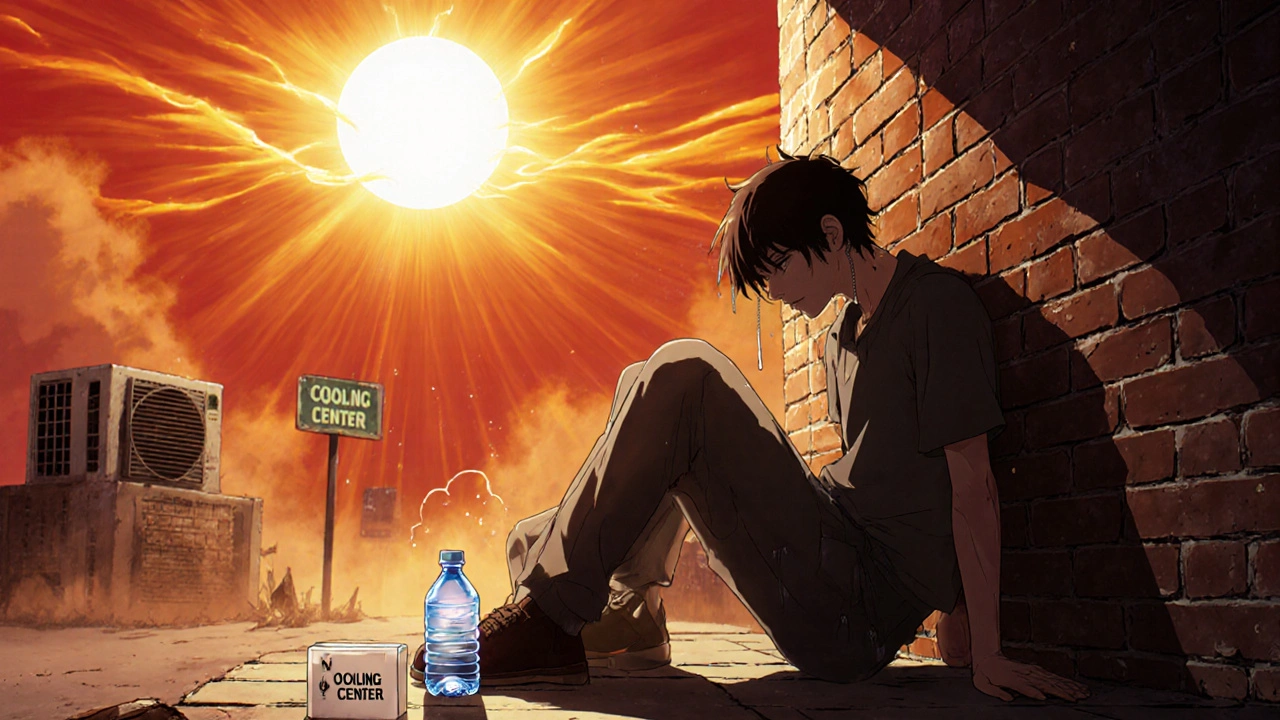
When the temperature hits 24°C (75°F) or higher, the risk of overdose spikes - not because people use more drugs, but because their bodies can’t handle what they’ve already taken. This isn’t guesswork. A 2010 study from Columbia University found that in New York City, overdose deaths rose sharply during those hot weeks each summer. The same pattern shows up in cities from Philadelphia to Phoenix. Heat doesn’t just make you sweat - it changes how your body processes drugs.
Stimulants like cocaine and methamphetamine already push your heart rate up by 30-50%. When it’s hot outside, your heart works even harder just to keep you cool. Add that to the drug’s effect, and your cardiovascular system is under double pressure. Dehydration makes it worse. Lose just 2% of your body weight in fluids - easy to do in a heatwave - and drug concentrations in your blood can jump by 15-20%. That’s like taking a bigger dose without knowing it.
Opioids are dangerous too. Heat reduces your body’s ability to compensate for slowed breathing - the main cause of fatal overdose. Studies show respiratory compensation drops by 12-18% in high heat. Even if you’ve used the same dose safely before, the same amount can now be deadly. And it’s not just street drugs. Many prescription medications - especially antipsychotics and antidepressants - become less effective or more toxic in heat. One study found 70% of antipsychotics lose potency, and side effects like dizziness and confusion spike.
Who’s Most at Risk?
The people most likely to die from an overdose during a heatwave aren’t just those using drugs. They’re the ones without shelter, without water, without access to care. About 580,000 people in the U.S. are homeless on any given night. Nearly 4 in 10 of them have a substance use disorder. These are the same people who can’t turn on an air conditioner, can’t get to a cool building, and often can’t get help when they need it.
People on medication for mental health conditions are also at higher risk. Heat affects how the body absorbs and breaks down drugs. Buprenorphine, used to treat opioid dependence, becomes 23% less effective above 30°C. That means someone stable on their dose could suddenly feel withdrawal symptoms - and relapse. Or worse, they might take more to feel relief, not realizing their body is already overwhelmed by heat.
And it’s not just the individual. People who use drugs alone - which many do out of fear, stigma, or lack of support - are far more likely to die. If no one’s around to notice you’re not breathing, no one can call 911 or give naloxone.
What You Can Do: Practical Harm Reduction Steps
Managing overdose risk in heat isn’t about stopping drug use. It’s about reducing harm. Here’s what works, based on real programs and data:
- Reduce your dose and frequency. Cut your usual amount by 25-30% during heatwaves. Your body is already under stress. Don’t add more pressure.
- Hydrate, but don’t overdo it. Drink one cup (8 oz) of cool water every 20 minutes. Avoid alcohol and caffeine - they dehydrate you faster. Electrolyte packets help replace what you lose through sweat.
- Never use alone. If you must use, make sure someone is nearby who knows how to use naloxone and can call for help. Text a friend before you start. Set a timer to check in.
- Stay cool, even if you can’t go inside. Find shade. Use a damp cloth on your neck or wrists. Mist yourself with water if you can. Public libraries, community centers, and cooling centers are open for a reason - use them.
- Check your meds. If you take any prescription drugs, talk to your doctor before a heatwave. Ask if your dose needs adjustment. Don’t stop suddenly - but don’t assume your usual dose is safe.
How Communities Are Responding
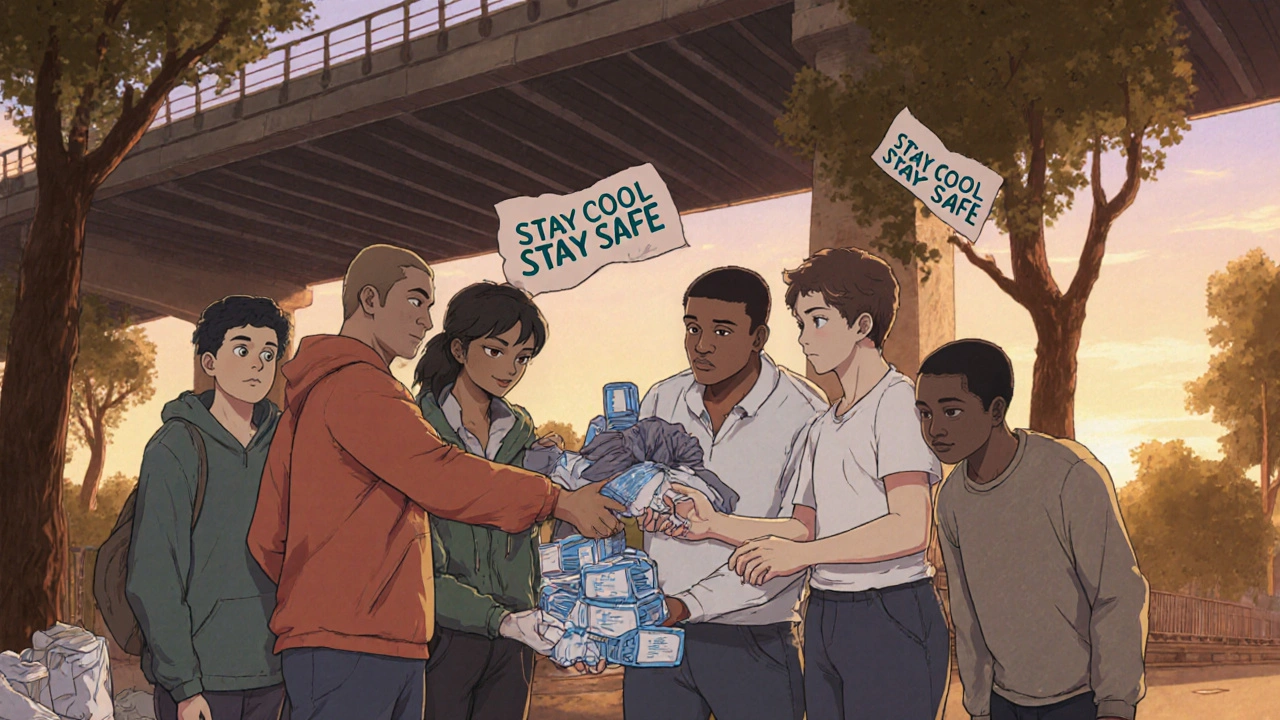
Some places are getting smarter about this. In Philadelphia, after a deadly 1995 heatwave killed 700 people, they built a system that now distributes over 2,500 cooling kits each summer. Each kit includes water, electrolytes, cooling towels, and info on overdose prevention. Outreach workers hand them out directly to people sleeping outside.
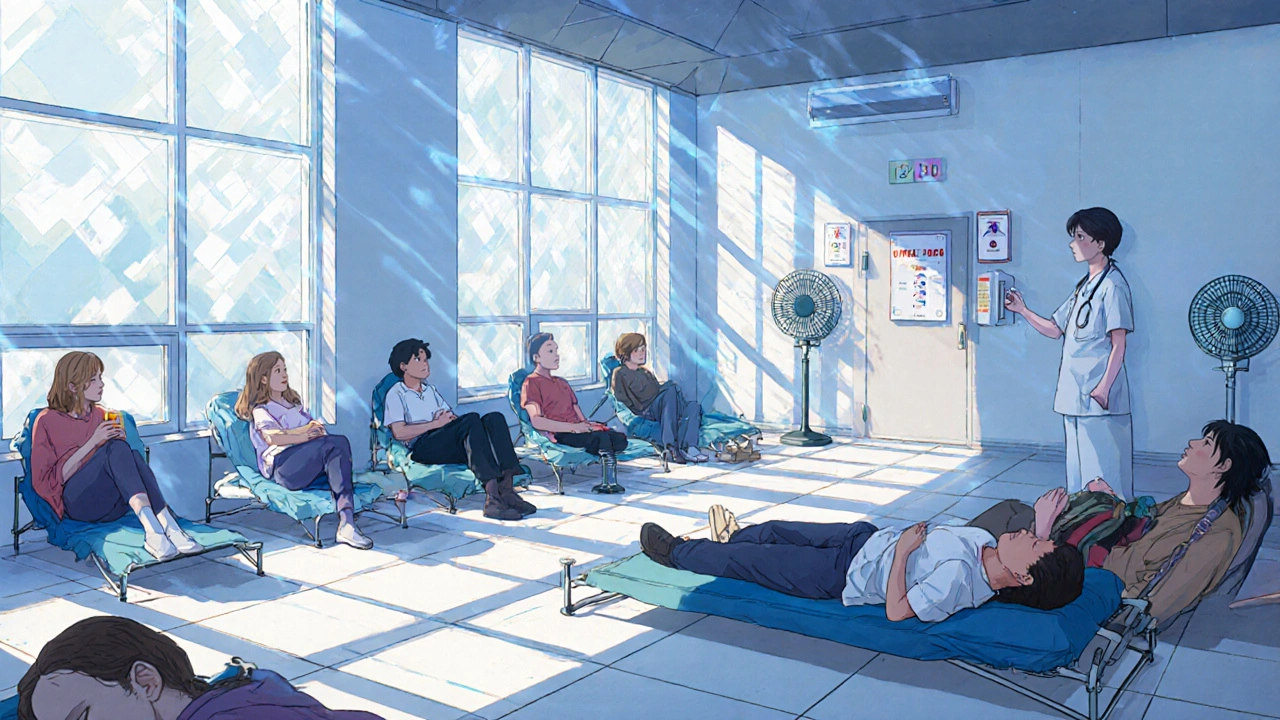
Vancouver’s “Cooling and Care” program took it further. They opened seven air-conditioned spaces next to supervised injection sites. People could rest, drink water, get checked on, and access naloxone - all without judgment. During the 2021 Pacific Northwest heat dome, overdose deaths dropped by 34% compared to previous years.
In Maricopa County, Arizona, volunteers trained in naloxone use made over 12,000 wellness checks during one summer. They didn’t arrest people. They didn’t lecture them. They asked: “Do you need water? Can I call someone for you?” And they saved lives.
But most places still aren’t ready. Only 12 out of 50 U.S. states have official heat emergency plans that include people who use drugs. Many shelters still turn away people actively using. Police in some cities have confiscated cooling supplies from outreach workers. This isn’t just neglect - it’s policy failure.
What Needs to Change
Climate change isn’t coming. It’s here. By 2050, the number of days above 24°C - the overdose risk threshold - could increase by 20 to 30 days every year. We can’t wait for the next heat dome to realize we’re unprepared.
Health departments need to work with harm reduction groups, not against them. Cooling centers should be open to everyone - no ID required, no sobriety requirements. Naloxone should be available in every public cooling space. Emergency responders need training to recognize heat-related overdose, not just treat the symptoms.
The Biden administration’s 2023 executive order allocated $50 million to fix this. By December 2025, every state health department must include overdose risk in their heat emergency plans. That’s a start. But money alone won’t fix stigma. Real change happens when we stop seeing people who use drugs as problems - and start seeing them as neighbors who need protection.
What to Do If You See Someone in Trouble
If someone looks confused, pale, or isn’t responding:
- Call 911 immediately. Say, “I think this is an overdose - they’re not waking up.”
- Give naloxone if you have it. It’s safe even if they didn’t use opioids - it won’t hurt them.
- Move them to shade or a cooler place. Loosen tight clothing.
- Give small sips of water if they’re conscious. Don’t pour it on them - that can cause shock.
- Stay with them until help arrives. Don’t leave them alone.
Heat doesn’t care if you’re clean, sober, or struggling. It just makes existing risks worse. The best way to survive it is to plan ahead - and look out for each other.
Can heat alone cause an overdose without drug use?
No, heat alone doesn’t cause an overdose. But it can trigger fatal outcomes in people who’ve used drugs by worsening the drug’s effects. Heat increases heart strain, causes dehydration that concentrates drugs in the blood, and reduces the body’s ability to regulate breathing - especially with opioids. This combination can lead to overdose even if the person used their usual dose.
Is naloxone effective during heat-related overdoses?
Yes, naloxone works during heat-related overdoses - but only if opioids are involved. It reverses opioid overdose by blocking opioid receptors in the brain. If someone overdosed on cocaine or meth, naloxone won’t help. But it’s still safe to give if you’re unsure - it won’t harm someone who didn’t use opioids. Always call 911, even after giving naloxone.
Should I stop using drugs during a heatwave?
You don’t have to stop - but you should reduce your dose and frequency by 25-30%. Your body is already under stress from heat. Using the same amount as usual can be dangerous. If you’re on medication for mental health or addiction, talk to your provider. Adjusting your routine doesn’t mean failure - it means survival.
Do cooling centers allow people who are using drugs?
Many do - but not all. Some still have policies that exclude people based on drug use. The most effective centers, like those in Vancouver and Philadelphia, don’t require sobriety. They focus on safety and dignity. If you’re turned away, ask if there’s another location nearby. You deserve to stay cool and alive.
How can I help someone who uses drugs during a heatwave?
Check on them. Bring water, electrolytes, or a cooling towel. Help them find a cool place. Ask if they need naloxone. Don’t judge - just be there. If they’re unresponsive, call 911 and give naloxone if you have it. Your action could save a life. You don’t need to fix everything - just be the person who didn’t look away.
Final Thoughts
Overdose during a heatwave isn’t an accident. It’s a system failure. People are dying because we treat drug use as a moral issue instead of a health one. We build air-conditioned malls but not cooling centers for the homeless. We hand out free ice cream at festivals but not electrolyte packs to people on the street.
The science is clear. The solutions exist. What’s missing is the will to act. If you’re reading this, you’re part of the solution. Whether you use drugs, support someone who does, or just care about your community - you have power. Share this info. Carry naloxone. Speak up when shelters turn people away. Demand better from your leaders.
When the temperature rises, no one should have to choose between staying alive and staying clean. We can do better. We have to.


I am a pharmaceutical expert with over 20 years of experience in the industry. I am passionate about bringing awareness and education on the importance of medications and supplements in managing diseases. In my spare time, I love to write and share insights about the latest advancements and trends in pharmaceuticals. My goal is to make complex medical information accessible to everyone.