
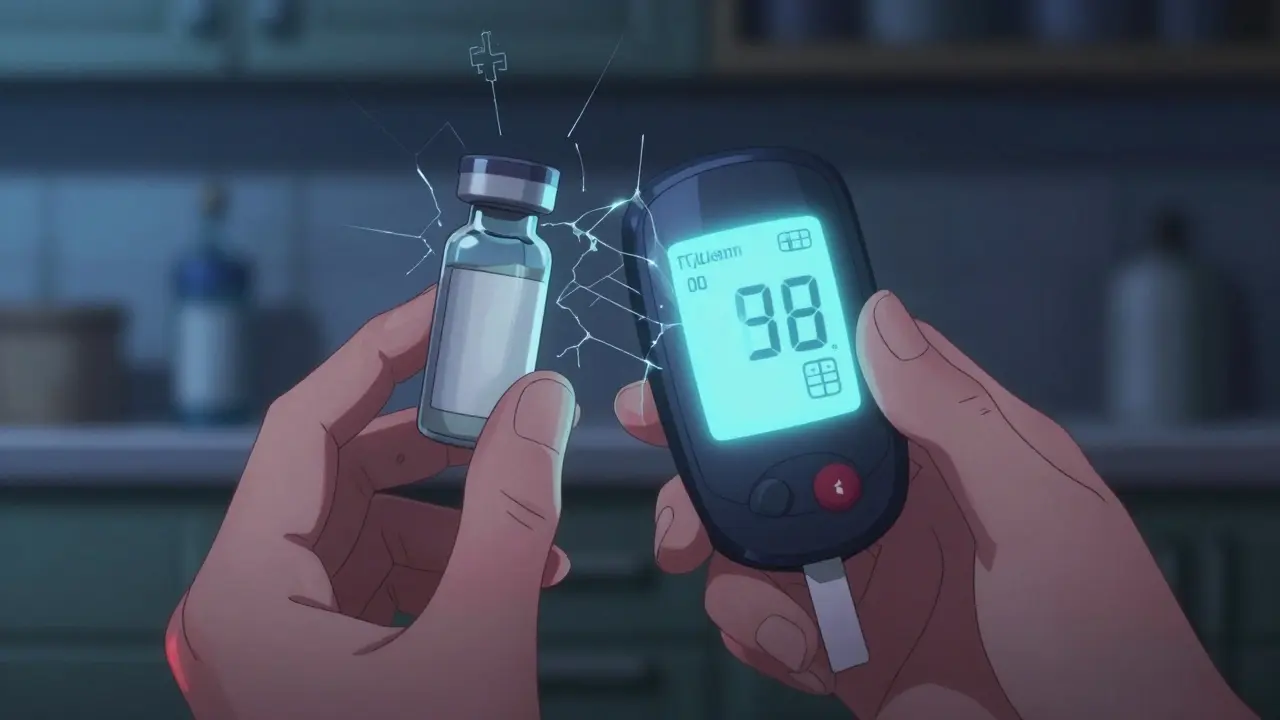
It’s easy to assume that if a pill still looks fine, it’s still safe to take. But when it comes to certain medications, appearance doesn’t tell the whole story. The expiration date on your medicine isn’t just a suggestion-it’s a hard line drawn by science and safety. While some drugs may remain stable past their labeled date, others become dangerously ineffective-or even harmful-within months. Using expired versions of these can put your life at risk.
Insulin: A Life-Saving Drug That Fails Without Warning
Insulin is not like other medications. It’s a protein-based hormone that breaks down quickly after expiration, especially if it’s been exposed to heat or light. Even if it looks clear and unchanged, its ability to lower blood sugar drops significantly. Research from the Journal of Diabetes Science and Technology (2021) found that expired insulin can lose up to 35% of its potency due to protein clumping. That means your blood sugar could spike without warning, leading to diabetic ketoacidosis or long-term organ damage. The Cleveland Clinic warns that once insulin is opened, it should be discarded after 28 days-even if the bottle hasn’t reached its printed expiration date. Don’t gamble with your insulin. If it’s expired, replace it.
Nitroglycerin: The Silent Killer in Your Medicine Cabinet
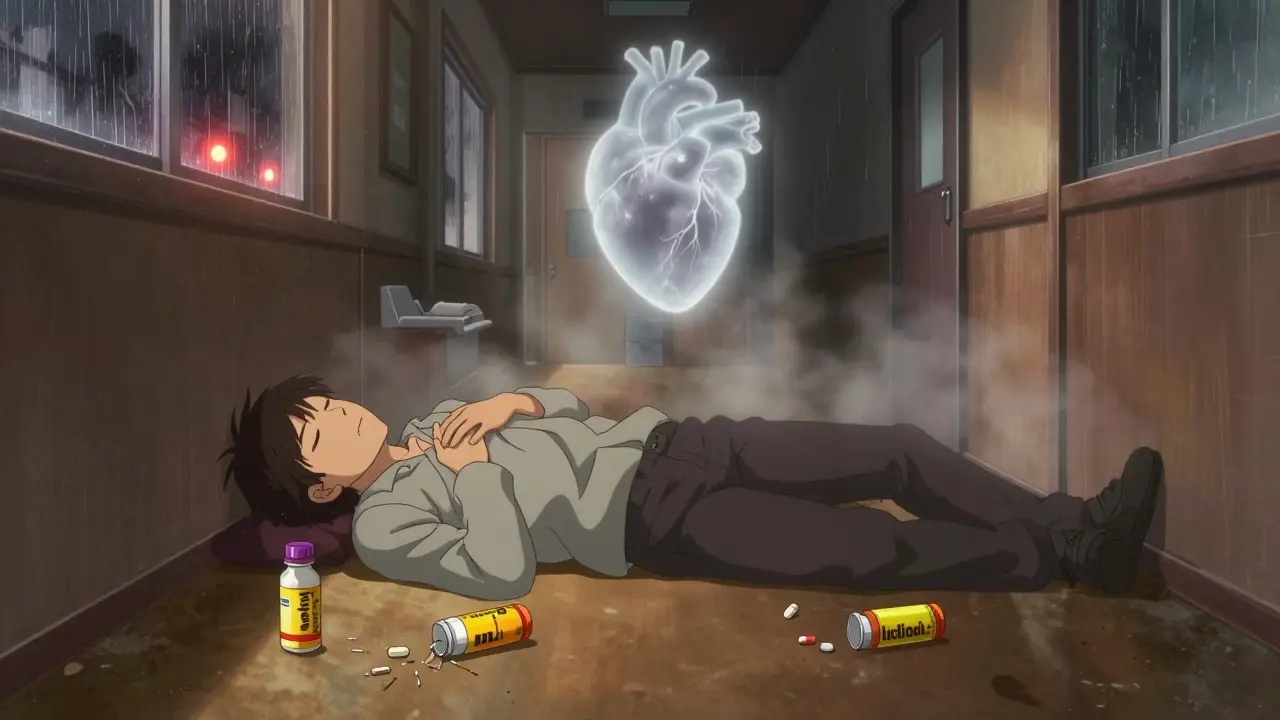
Nitroglycerin tablets are used to relieve chest pain during a heart attack. But they’re also incredibly unstable. These tablets degrade rapidly when exposed to air, moisture, or heat. A study from University Hospitals Cleveland Medical Center (2023) showed that within six months of expiration, nitroglycerin loses 40-60% of its effectiveness. In an emergency, that could mean the difference between relief and cardiac arrest. Once opened, nitroglycerin should be replaced every 3-6 months, regardless of the expiration date on the bottle. Keep it in its original glass bottle, tightly sealed, and never store it in a bathroom or car. If you’re unsure whether your nitroglycerin still works, get a new prescription-don’t risk your life.
Liquid Antibiotics: More Than Just Less Effective
Liquid antibiotics like amoxicillin suspension are among the most dangerous expired medications to take. Unlike pills, liquids contain water, which makes them prone to bacterial growth once the preservatives break down. The FDA found that expired liquid antibiotics contributed to 12% of cases where infections didn’t fully clear. Worse, using them can encourage antibiotic-resistant bacteria, a growing global threat documented by the CDC in its 2022 Antimicrobial Resistance Report. Even if the liquid looks normal, it may contain harmful microbes. Never take an expired liquid antibiotic, even if you’re feeling better. Finish your full course on time, and dispose of leftovers properly.
Tetracycline: A Prescription for Kidney Damage
Not all expired drugs are just weak-they can be toxic. Tetracycline and its derivatives (like doxycycline) break down into compounds that can damage your kidneys. This isn’t theoretical. The FDA has warned about this since 1963, and Centerwell Pharmacy reaffirmed it in their 2022 safety bulletin. Even a single dose of degraded tetracycline can cause renal tubular damage, leading to acute kidney injury. There’s no safe window here. If your tetracycline has passed its expiration date, throw it away. No exceptions.
Epinephrine Auto-Injectors: Your Last Line of Defense
Epinephrine auto-injectors like EpiPens are designed to save lives during severe allergic reactions. But they’re also among the most time-sensitive medications. According to Mylan Pharmaceuticals’ own stability data, epinephrine loses about 15% of its potency each year after expiration. That means a two-year-old EpiPen might deliver only 70% of the dose needed to stop anaphylaxis. Swedish Health Services documented 14 cases between 2021 and 2023 where patients delayed calling 911 because they tried to use expired pens-three of them ended up hospitalized. Don’t wait until you’re having a reaction to check your EpiPen’s date. Replace it on schedule. Keep a spare in your bag, car, and workplace.
Rescue Inhalers: Breathing on Borrowed Time
If you have asthma or COPD, your albuterol inhaler is your lifeline during an attack. But after expiration, the active ingredient degrades, and the propellant weakens. University Hospitals research showed that six months past expiration, albuterol inhalers lose 25-30% of their bronchodilator effect. That might sound small, but in the middle of an asthma attack, it’s enough to make the difference between relief and respiratory failure. Even if the inhaler still sprays, it may not be delivering the right dose. Always replace your rescue inhaler before it expires. Keep track of the date you opened it-most are good for only one year after opening, regardless of the printed expiration.
Eye and Ear Drops: A Gateway to Infection
Eye and ear drops contain preservatives to keep them sterile. Once those preservatives break down after expiration, bacteria can grow inside the bottle. Cleveland Clinic reported 17 cases of serious eye infections-like Pseudomonas keratitis-between 2020 and 2022 directly tied to expired eye drops. These infections can cause permanent vision loss. Ear drops are no safer; contaminated drops can lead to chronic otitis externa, a painful, hard-to-treat ear infection. Never use eye or ear drops past their expiration date. And if the liquid looks cloudy, smells odd, or has particles in it-throw it out, even if it’s still within the date.
Thyroid Medication: Precision Dosing That Can’t Be Compromised
Levothyroxine, used to treat hypothyroidism, requires exact dosing to keep your metabolism stable. Even a 10% drop in potency can trigger symptoms like fatigue, weight gain, depression, or heart palpitations. The American Thyroid Association found that 68% of patients with existing thyroid conditions experienced significant dysfunction after using expired levothyroxine. Unlike some pills, you can’t tell if it’s degraded just by looking. There’s no visible change. But your body will feel it. If your thyroid med is expired, get a refill. Don’t wait for symptoms to worsen.
What About Other Pills? Can I Still Use Them?
Not all expired medications are dangerous. A landmark FDA study found that 90% of solid-form drugs (pills, capsules) remained safe and effective up to 15 years past expiration when stored properly. But that doesn’t mean you should start using them. The FDA doesn’t recommend it because they can’t guarantee potency. For non-critical drugs like pain relievers or antihistamines, the risk is lower-but you’re still taking a gamble. If you’re using them for something minor, like occasional headaches, you might get away with it. But if you’re treating something serious-like high blood pressure, seizures, or heart arrhythmias-don’t risk it. Always replace critical meds on time.
How to Store Medications to Last Longer
Storage matters more than you think. The Cleveland Clinic found that medications stored in humid bathrooms degrade 2.3 times faster than those kept in a cool, dry bedroom drawer. Heat and moisture are the biggest enemies. Keep pills in their original containers. Avoid leaving them in cars, near stoves, or in direct sunlight. For insulin, epinephrine, and nitroglycerin, refrigeration is often recommended-but always check the label. Some medications can’t be frozen. When in doubt, store them at room temperature, away from moisture.
How to Dispose of Expired Medications Safely
Never flush pills down the toilet unless the label says to. Most medications should go through a drug take-back program. The DEA hosts National Prescription Drug Take Back Days twice a year, and over 900,000 pounds of expired meds were collected in 2022 alone. Pharmacies and police stations often have drop boxes. If no take-back option is available, mix pills with coffee grounds or cat litter, seal them in a bag, and throw them in the trash. This prevents accidental ingestion by children or pets. For liquid antibiotics, eye drops, or injectables, seal the container tightly before disposal.
Bottom Line: When in Doubt, Toss It Out
There’s no shame in replacing expired medicine. The cost of a new prescription is nothing compared to the cost of a hospital visit-or worse. If it’s insulin, nitroglycerin, epinephrine, liquid antibiotics, eye drops, or thyroid medication, don’t even think about using it past its date. For everything else, ask your pharmacist. They’re trained to know what’s safe and what’s not. Your health isn’t worth the risk. Keep your medicine cabinet clean, organized, and up to date. It’s not just good advice-it’s life-saving.
Can I still take expired pain relievers like ibuprofen or acetaminophen?
While expired ibuprofen or acetaminophen may lose some potency, they rarely become dangerous. A 2020 FDA study showed most solid-form pain relievers remain effective for years past their expiration date if stored properly. However, they may not work as well. If you’re relying on them for chronic pain, it’s better to replace them. For occasional use, taking a slightly expired pill is unlikely to harm you-but don’t expect full relief.
What happens if I accidentally take expired medication?
If you took a single dose of a non-critical expired medication-like an antihistamine or a vitamin-you’re likely fine. But if you took expired insulin, epinephrine, nitroglycerin, or liquid antibiotics, monitor yourself closely. Watch for worsening symptoms: high blood sugar, chest pain, difficulty breathing, or signs of infection. If you feel worse, seek medical help immediately. Don’t wait. Even if you feel okay, call your pharmacist or doctor to be safe.
Why do expiration dates exist if drugs last longer?
Expiration dates are set by manufacturers based on stability testing under ideal conditions. They’re not the same as “use-by” dates. The FDA requires them to ensure patients get full potency. But the Department of Defense’s Shelf Life Extension Program found many drugs last far longer under controlled storage. The problem? Manufacturers don’t test beyond the labeled date, and pharmacies can’t guarantee storage conditions. So the date is a conservative safety line-not a hard expiration.
Can I tell if a medication has gone bad just by looking at it?
Sometimes, but not always. If a pill is cracked, discolored, or smells strange, don’t take it. If liquid medicine is cloudy, has particles, or smells off, throw it out. But many degraded medications-especially insulin or thyroid pills-show no visible changes. You can’t rely on sight or smell alone. When in doubt, assume it’s unsafe. Replace it.
Is it okay to use expired epinephrine if it’s the only option during anaphylaxis?
If you have no other choice and someone is having a life-threatening allergic reaction, using an expired EpiPen is better than doing nothing. But it’s not safe. Studies show it may deliver only half the needed dose. Call 911 immediately after using it, even if symptoms improve. Expired epinephrine should never be planned for use. Always carry two unexpired pens if you’re at risk for anaphylaxis.
What to Do Next
Check your medicine cabinet today. Pull out every prescription, OTC pill, and liquid. Look at the expiration dates. Separate the ones that are critical: insulin, epinephrine, nitroglycerin, antibiotics, eye drops, thyroid meds. If any are expired, dispose of them properly and refill them now. For everything else, consider replacing them within the next 30 days. Keep a small notebook or phone reminder to check your meds every six months. It takes five minutes-but it could save your life.


Hi, I'm Caden Lockhart, a pharmaceutical expert with years of experience in the industry. My passion lies in researching and developing new medications, as well as educating others about their proper use and potential side effects. I enjoy writing articles on various diseases, health supplements, and the latest treatment options available. In my free time, I love going on hikes, perusing scientific journals, and capturing the world through my lens. Through my work, I strive to make a positive impact on patients' lives and contribute to the advancement of medical science.