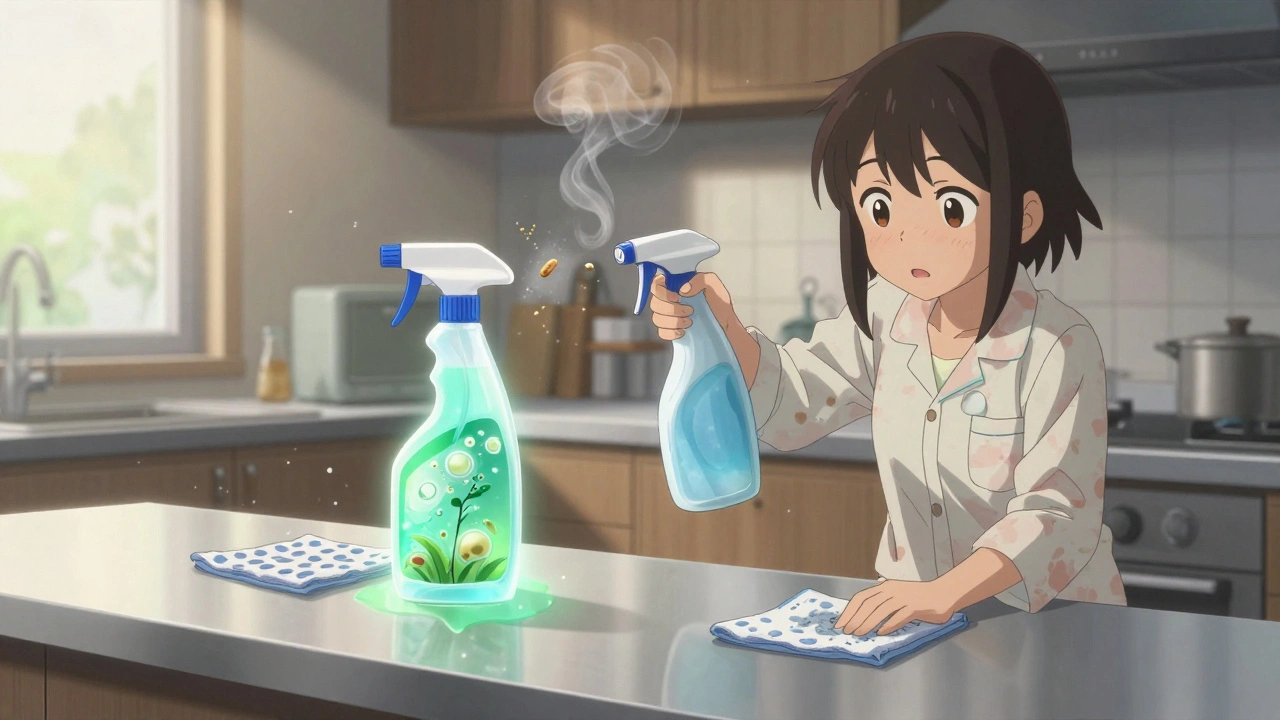
Discover which allergy-friendly cleaning products actually reduce triggers like dust mites, pet dander, and chemical fumes. Learn certified brands, effective techniques, and why "unscented" isn’t always safe.

When you’re constantly sneezing, itchy, or struggling to breathe, allergen removal, the process of reducing or eliminating substances that trigger allergic reactions. Also known as allergen control, it’s not just about keeping your home clean—it’s about protecting your lungs, skin, and overall well-being. Many people think allergies are just a nuisance, but for millions, they’re a daily battle that affects sleep, focus, and even heart health. The real problem isn’t the allergy itself—it’s the constant exposure to things like dust mites, pet dander, mold spores, and pollen that keep your immune system on high alert.
Effective allergen removal, the process of reducing or eliminating substances that trigger allergic reactions. Also known as allergen control, it’s not just about keeping your home clean—it’s about protecting your lungs, skin, and overall well-being. isn’t about buying expensive air purifiers overnight. It’s about making smart, consistent changes. For example, using a HEPA filter in your bedroom can cut airborne allergens by over 60%, and washing bedding in hot water weekly removes dust mites before they trigger reactions. People with asthma often don’t realize their inhaler technique matters just as much as the medicine—poor use means the drug never reaches the lungs, leaving symptoms uncontrolled. That’s why inhaler technique, the correct method of using a metered-dose inhaler to deliver medication directly to the airways. Also known as asthma inhaler use, it’s a skill that can turn a barely effective treatment into a life-changing one. And if you’re dealing with year-round nasal allergies, montelukast, a daily oral medication that blocks leukotrienes to prevent asthma and allergy symptoms. Also known as Singulair, it’s not a quick fix, but a preventive tool that helps people who can’t rely on nasal sprays or antihistamines alone. works quietly in the background to calm inflammation before it starts.
Indoor air quality is one of the most overlooked factors in managing allergies. Opening windows during pollen season? That’s like inviting the enemy in. Using scented candles or air fresheners? Those chemicals can irritate sensitive airways just as much as pollen. Even your vacuum cleaner matters—cheap models just kick dust back into the air. Real allergen removal means sealing gaps, using allergen-proof mattress covers, and keeping pets out of bedrooms. It’s not glamorous, but it works. And when you combine these steps with proper medication use, you’re not just treating symptoms—you’re breaking the cycle.
What you’ll find below isn’t a list of quick fixes. It’s a collection of real, tested strategies—from how to space probiotics after antibiotics to avoid gut flare-ups, to why using household spoons for kids’ medicine can be dangerous. These posts are written for people who’ve tried the basics and still aren’t getting relief. They focus on what actually moves the needle: accurate dosing, correct device use, and understanding how medications interact with your environment. You don’t need to be an expert. You just need to know what to look for—and what to avoid.
Discover which allergy-friendly cleaning products actually reduce triggers like dust mites, pet dander, and chemical fumes. Learn certified brands, effective techniques, and why "unscented" isn’t always safe.