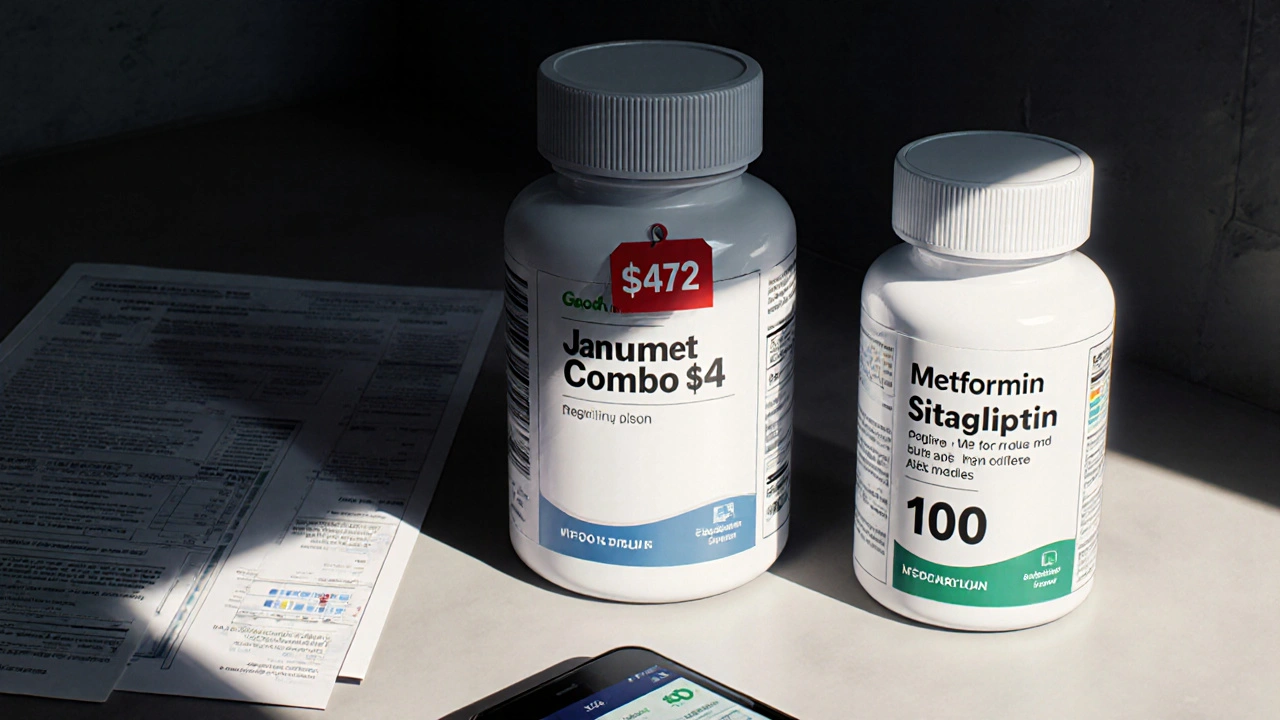
Combo generics often cost 3-4 times more than buying the same drugs as separate generics. Real data shows billions in wasted spending - here’s how to save hundreds per month.

When you take a branded combination drug, a single pill that contains two or more active pharmaceutical ingredients approved together by regulators. Also known as fixed-dose combinations, these pills are designed to make treatment simpler—especially for conditions like high blood pressure, HIV, or asthma that often need more than one drug to work well. For many women, this isn’t just convenience—it’s a way to stick with treatment when juggling work, family, and health.
But these pills aren’t magic. They’re built from existing drugs, often from different manufacturers, and sometimes the mix isn’t perfect. A polypharmacy, the use of multiple medications at once situation can become risky if the combo doesn’t match your body’s needs. For example, some women on birth control and antidepressants might be on a combo pill that increases side effects like dizziness or nausea. Or someone with kidney issues might get a combo drug with a dose too high for their system. That’s why knowing what’s inside the pill matters more than the brand name.
These drugs also raise questions about drug interactions, when two or more medications affect each other’s performance or safety. Take a woman on warfarin who starts a combo pill for hypertension that includes a diuretic and an ACE inhibitor. The diuretic might lower her potassium, which changes how warfarin works. Or a combo for migraines that includes a painkiller and a triptan could trigger serotonin syndrome if she’s also on an SSRI. These aren’t rare mistakes—they’re hidden in plain sight on pharmacy shelves.
Branded combination drugs are common in women’s health because they target conditions that often overlap: diabetes and high blood pressure, depression and chronic pain, asthma and allergies. But they’re not always the best choice. Sometimes, taking separate pills lets you adjust doses more precisely, spot side effects faster, or avoid ingredients you’re allergic to. Your doctor might push the combo because it’s cheaper for the insurance company—not because it’s better for you.
What you’ll find below are real stories and facts about how these pills work, who they help, and when they could hurt. From HIV regimens that changed global care to outdated combos still lingering in prescriptions, this collection cuts through the marketing. You’ll see how lab monitoring catches hidden dangers, how herbal supplements like Dong Quai clash with combo drugs, and why some women end up in the ER because a pill looked simple but acted like a minefield. These aren’t theoretical risks—they’re documented, preventable, and happening right now.
Combo generics often cost 3-4 times more than buying the same drugs as separate generics. Real data shows billions in wasted spending - here’s how to save hundreds per month.