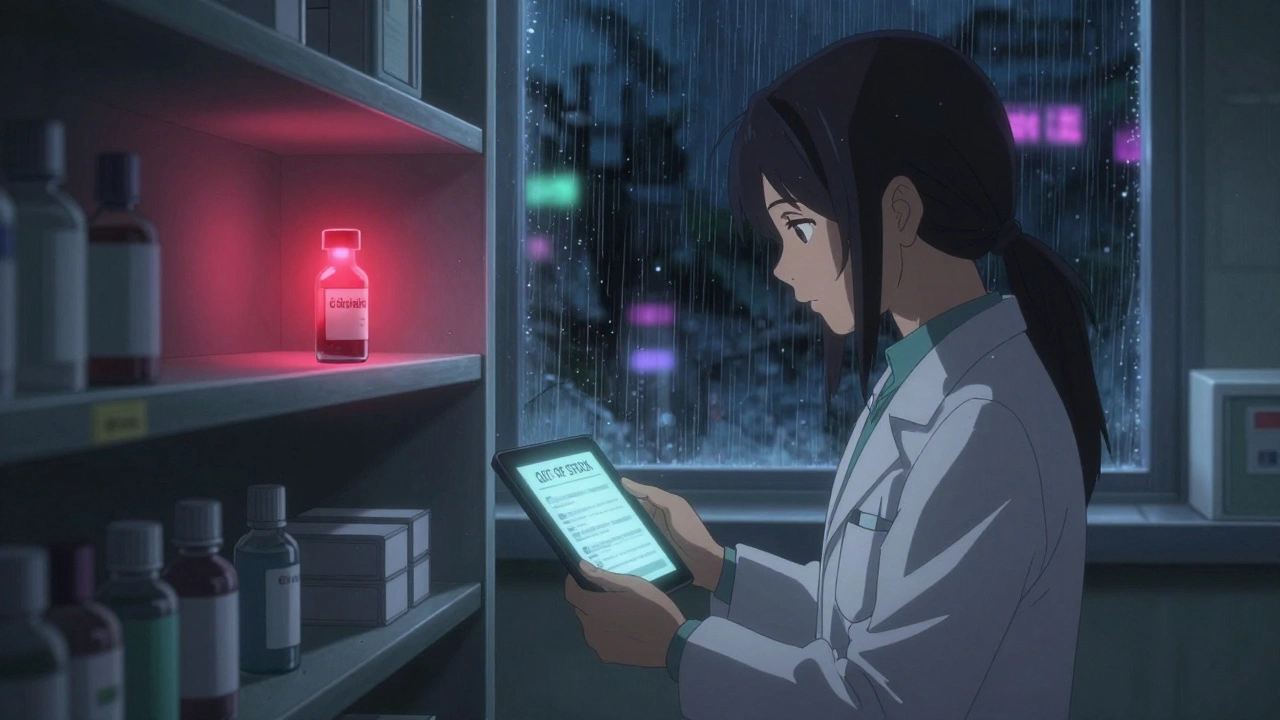
As of 2025, over 270 medications are in short supply in the U.S., including critical drugs like cisplatin, IV fluids, and GLP-1 weight-loss agents. Learn which drugs are hardest to find, why shortages keep happening, and what you can do.

When you hear chemotherapy drugs, powerful medications designed to kill or slow the growth of cancer cells. Also known as cancer drugs, they’re used in nearly every stage of cancer care—from shrinking tumors before surgery to stopping recurrence after treatment. These aren’t gentle pills. They’re strong, targeted weapons that attack cells dividing quickly, which is why they hit cancer hard—but also why they affect healthy cells like those in your hair, gut, and bone marrow.
Not all chemotherapy drugs work the same way. Some, like doxorubicin, a type of anthracycline that damages DNA inside cancer cells, are used for breast and lung cancers. Others, like paclitaxel, a taxane that stops cells from splitting apart, are common in ovarian and lung cancer. Then there are alkylating agents, antimetabolites, and targeted therapies—each with different rules, side effects, and uses. What matters most isn’t the name, but how your body responds. That’s why lab monitoring, blood counts, and regular check-ins aren’t optional—they’re part of keeping treatment safe.
Side effects are real. Nausea, fatigue, hair loss, and low blood counts happen for many. But they’re not the whole story. Some people have no major issues. Others need dose adjustments or delays. That’s why knowing your specific drug matters. If you’re on cisplatin, a platinum-based drug linked to kidney damage and nerve problems, your doctor will check your kidney function often. If you’re getting vincristine, a vinca alkaloid that can cause nerve pain or numbness, you’ll need to report tingling in your fingers or toes right away. These aren’t random reactions—they’re predictable, manageable risks tied to the drug itself.
Chemotherapy doesn’t happen in a vacuum. It’s often paired with other treatments—radiation, surgery, immunotherapy. And it’s not always the first choice. Sometimes, newer targeted drugs or hormone therapies come first, especially for cancers with specific genetic markers. But for many, chemo remains the backbone. It’s not magic. It’s science. And understanding how it works helps you ask better questions, spot warning signs early, and work with your team to stay in control.
What you’ll find in the posts below isn’t just a list of drugs. It’s real-world insight on how these treatments fit into daily life—from managing side effects to avoiding dangerous interactions with other meds. You’ll see how lab tests track your body’s response, how some drugs increase risks like infection or nerve damage, and why spacing out treatments or avoiding certain supplements matters. This isn’t theory. It’s what people actually need to know to get through treatment safely and with fewer surprises.
As of 2025, over 270 medications are in short supply in the U.S., including critical drugs like cisplatin, IV fluids, and GLP-1 weight-loss agents. Learn which drugs are hardest to find, why shortages keep happening, and what you can do.