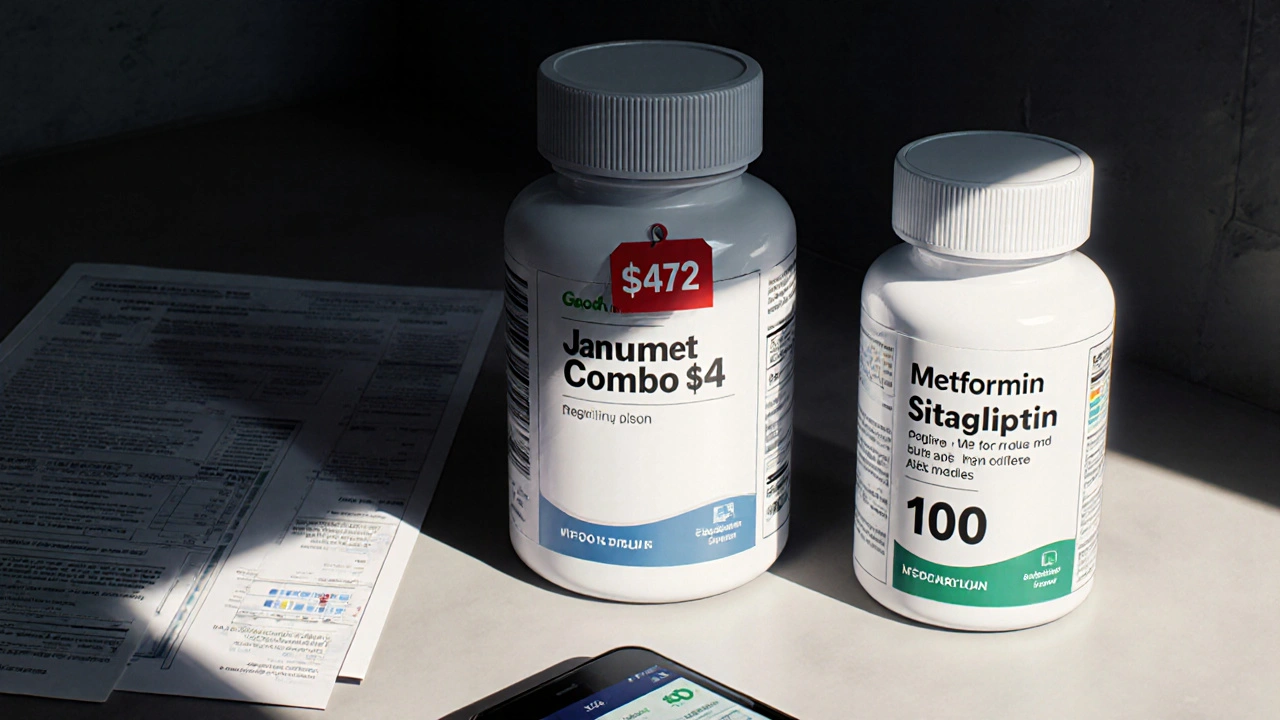
Combo generics often cost 3-4 times more than buying the same drugs as separate generics. Real data shows billions in wasted spending - here’s how to save hundreds per month.

When you take a combo generic, a single pill that contains two or more active drug ingredients, often used to treat chronic conditions like HIV, hypertension, or epilepsy. Also known as fixed-dose combinations, these pills are designed to make treatment easier by reducing the number of pills you swallow each day. They’re not new, but they’ve become a big part of how people manage long-term health issues—especially when sticking to a complex medication schedule is hard.
Combo generics aren’t just convenient—they’re often cheaper than buying each drug separately. For example, Combivir, a combination of lamivudine and zidovudine used in HIV treatment, was once a standard starting point for HIV therapy. Today, newer combo generics like Biktarvy and Dovato have replaced it, offering better safety and fewer side effects. But many people still take older combo generics, and knowing what’s in them matters. These pills can interact with other drugs, affect lab results, or even cause unexpected side effects if not monitored. That’s why lab monitoring calendars, schedules that track blood tests for drugs like warfarin, lithium, or clozapine, are so important when you’re on combo generics. Missing a test could mean missing early signs of toxicity or organ stress.
Not all combo generics are created equal. Some, like those for NTI generics, drugs with a narrow therapeutic index where small changes in dose can cause serious harm, need stricter oversight. The FDA and EMA treat these differently because getting the balance wrong can lead to overdose or treatment failure. That’s why you’ll see articles here about how different countries regulate these drugs, and why switching brands—even if both are labeled "generic"—can sometimes change how your body responds.
Combo generics are common in treating conditions like high blood pressure, epilepsy, and HIV, but they also show up in less obvious places. For instance, some asthma or allergy meds combine an inhaler drug with a steroid. Others pair pain relievers with muscle relaxants. Even some antibiotics come in combo form to fight resistant infections. The key is knowing what’s inside your pill. If you’re on a combo generic, check with your pharmacist: What are the two drugs? Are they safe with your other meds? Could caffeine, herbal supplements like Dong Quai, or even heatwaves affect how they work?
There’s no one-size-fits-all answer. What works for one person might cause problems for another. That’s why this collection includes posts on everything from combo generics and their risks, to how they interact with blood thinners, antibiotics, and even sleep aids at high altitude. You’ll find real-world examples of what to watch for, how to spot dangerous side effects, and what alternatives exist when a combo generic isn’t the right fit anymore. Whether you’re managing HIV, epilepsy, or just trying to cut down on pills, this guide helps you understand what’s really in your medicine cabinet—and what you should ask your doctor next.
Combo generics often cost 3-4 times more than buying the same drugs as separate generics. Real data shows billions in wasted spending - here’s how to save hundreds per month.