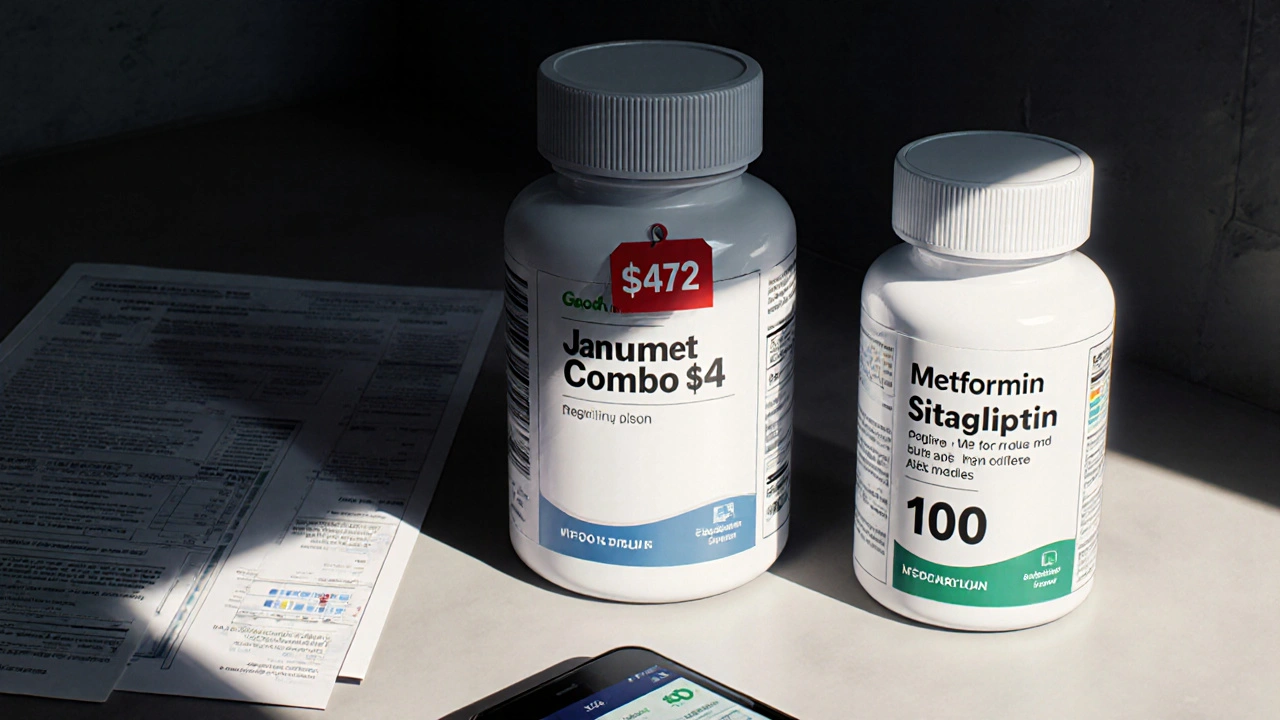
Combo generics often cost 3-4 times more than buying the same drugs as separate generics. Real data shows billions in wasted spending - here’s how to save hundreds per month.

When you need a medication, the price shouldn’t be a surprise—or a barrier. Drug cost comparison, the practice of evaluating prices across brands, generics, and pharmacy options to find the most affordable option without compromising safety. Also known as medication price shopping, it’s not just about saving money—it’s about staying on your treatment plan. Many people skip doses or stop taking meds altogether because they can’t afford them. But you don’t have to. The right comparison can cut your monthly bill by half, sometimes more.
One key player in this game is generic drugs, identical in active ingredient, dosage, and effectiveness to brand-name versions but often 80% cheaper. Also known as non-brand medications, they’re not second-rate—they’re the same medicine sold without the marketing cost. Take prescription assistance programs, free or low-cost medication programs run by drug manufacturers for people who qualify based on income. Also known as PAPs, these aren’t just for the uninsured—they help millions with insurance who still face high copays. Programs like these can give you free or deeply discounted versions of drugs like warfarin, lithium, or even newer HIV treatments. And when you’re comparing costs, don’t ignore NTI generics, narrow therapeutic index drugs where even tiny differences in absorption can cause serious side effects or treatment failure. Also known as high-risk generics, these require extra caution—you can’t just pick the cheapest option if it’s not bioequivalent. For drugs like levothyroxine or warfarin, sticking with the same brand or approved generic matters.
What you’ll find in the posts below isn’t just a list of prices. It’s real-world guidance on how to navigate the system. You’ll see how people compare drug cost comparison between older drugs like Combivir and modern HIV regimens, why Diclofenac SR might cost more than naproxen but not be better for your joints, and how a simple switch from brand to generic can save hundreds a year. You’ll learn how manufacturer copay cards work, what hidden fees to watch for, and when a higher-priced drug is actually the smarter long-term choice. This isn’t about cutting corners—it’s about making smart, informed decisions that keep you healthy and your wallet intact.
Combo generics often cost 3-4 times more than buying the same drugs as separate generics. Real data shows billions in wasted spending - here’s how to save hundreds per month.