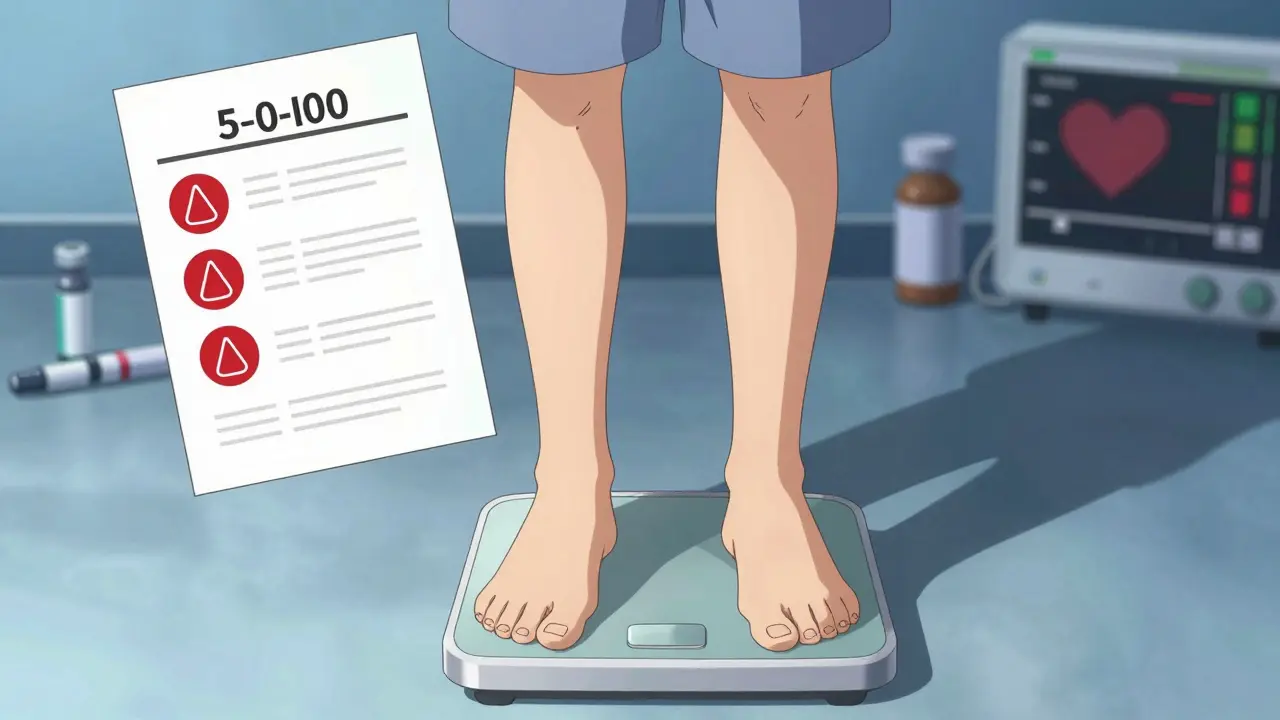
Pioglitazone (ACTOS) helps control blood sugar in type 2 diabetes but carries serious risks: heart failure, swelling in legs and feet, and increased bladder cancer risk with long-term use. Learn who should avoid it and what safer alternatives exist.

When your ankles, hands, or face suddenly feel swollen, you’re likely dealing with edema, a buildup of excess fluid in tissues that causes visible swelling. Also known as fluid retention, it’s not just a nuisance—it can be a sign something deeper is going on with your heart, kidneys, or the medications you’re taking.
Edema doesn’t happen out of nowhere. It often shows up after starting a new drug. Some blood pressure meds, like calcium channel blockers, make your blood vessels leak fluid into surrounding tissue. Others, like NSAIDs or certain diabetes drugs, mess with your kidneys’ ability to flush out water. Even hormonal birth control with ethinylestradiol can trigger it in some women. And if you’re on warfarin or other blood thinners, swelling might not come from the drug itself—but from complications like deep vein clots that block fluid drainage. Meanwhile, hydrocortisone creams used after surgery can reduce swelling locally, but oral steroids might cause it systemically. It’s all connected.
What’s interesting is how often edema shows up in posts about medication safety. You’ll find it tied to clindamycin causing gut issues that lead to fluid shifts, or to NTI generics where tiny dosing errors trigger organ stress and retention. It’s behind the scenes in posts about INR monitoring—because if your blood’s too thin, you bleed internally and swell. It’s in the warnings about Dong Quai mixing with warfarin, or how minocycline can trigger autoimmune reactions that leak fluid. Even menopause and hormone changes can worsen it, which is why ethinylestradiol BP gets mentioned alongside swelling in other contexts.
You won’t find one simple fix for edema because the cause changes from person to person. But knowing which drugs might be behind your swelling gives you power. It lets you ask the right questions: Is this new? Did it start after I changed meds? Is it only in one leg or both? Is it painful or just puffy? The answers guide what comes next—whether it’s adjusting your pill, running a lab test, or checking your heart and kidney function. Below, you’ll find real-world examples of how medications trigger or treat swelling, how to spot the warning signs, and what steps to take before it becomes something serious.
Pioglitazone (ACTOS) helps control blood sugar in type 2 diabetes but carries serious risks: heart failure, swelling in legs and feet, and increased bladder cancer risk with long-term use. Learn who should avoid it and what safer alternatives exist.

Nephrotic syndrome causes heavy protein loss in urine, severe swelling, and high cholesterol. Learn the causes, diagnosis, and proven treatments - from steroids to new drugs - and how to manage symptoms at home.