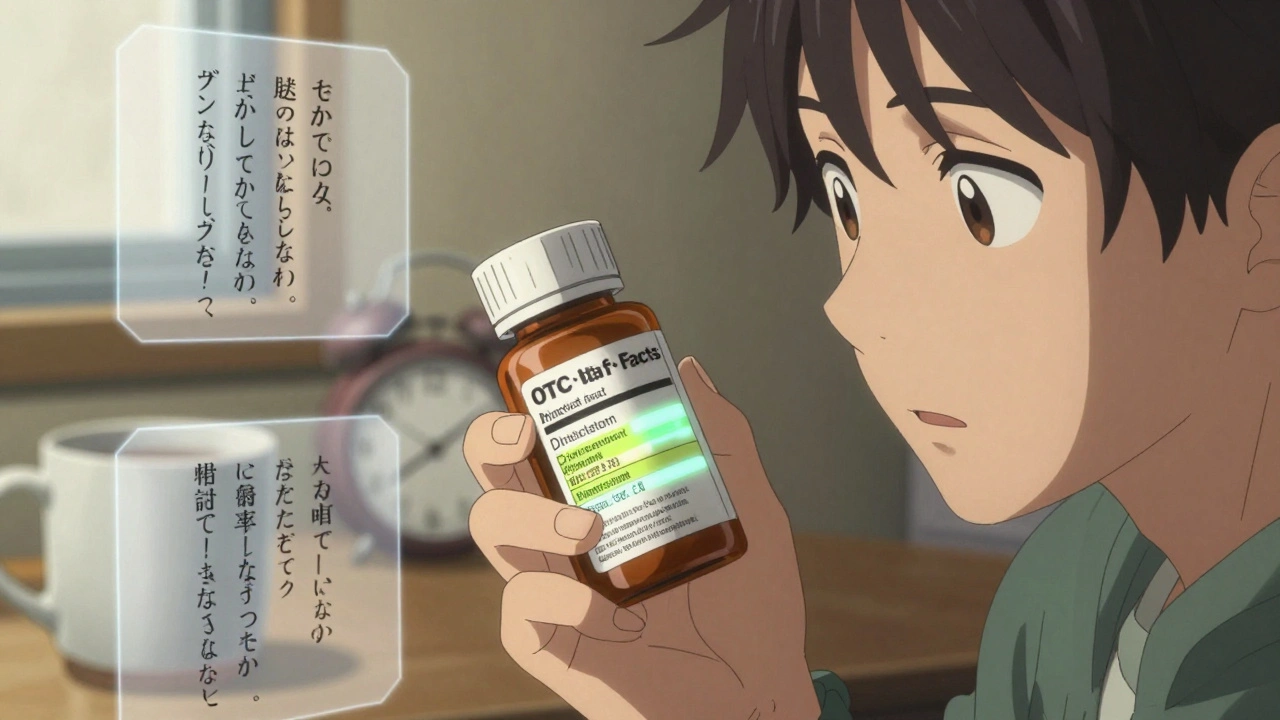
Learn how to read OTC Drug Facts labels to avoid dangerous mistakes, prevent overdoses, and use over-the-counter medicines safely. The FDA's standardized label helps you choose the right product and stay protected.

When you pick up a prescription or buy an over-the-counter pill, the FDA labels, official drug information approved by the U.S. Food and Drug Administration that outlines uses, risks, dosing, and warnings. Also known as prescription drug labeling, these documents aren’t just paperwork—they’re your first line of defense against dangerous side effects, interactions, and mistakes. Every FDA label is built from real-world data: clinical trials, post-market reports, and years of monitoring. But most people never read them. And that’s where the risk starts.
FDA labels don’t just list side effects—they explain when those side effects are most likely to happen. For example, if you’re on warfarin, the label warns you about foods like kale or supplements like Dong Quai that can spike your bleeding risk. If you’re taking clindamycin, it flags the danger of C. difficile diarrhea, which can hit weeks after you finish the course. These aren’t random notes—they’re direct responses to real patient harm. The same goes for NTI generics, where even tiny differences in absorption can cause serious problems. That’s why the FDA enforces the 80-125% bioequivalence rule: it’s not about the amount of drug, but how your body actually uses it.
These labels also reveal who’s being left out. Many drugs were tested mostly on men, so the warnings for women—especially around pregnancy, hormones, or liver metabolism—often come later. That’s why you’ll see labels for drugs like montelukast or levothyroxine include notes about gender-specific dosing or interactions with caffeine. And when drug shortages hit, like with cisplatin or IV fluids in 2025, the FDA updates labels to reflect changes in availability, alternative dosing, or even new manufacturing sources from India or China. It’s not just about safety—it’s about access.
What you’ll find below isn’t just a list of articles. It’s a practical guide to decoding what those labels really mean. You’ll learn how to spot red flags in generic drug absorption, why combo pills can cost three times more than buying separate ones, and how lab monitoring calendars help catch dangerous side effects before they turn into emergencies. You’ll see how inhaler technique, infant dosing, and even household spoons connect back to FDA labeling rules. These aren’t abstract concepts—they’re daily choices that affect whether your medicine works, harms you, or does nothing at all. Let’s cut through the noise and show you exactly what to look for on those tiny print pages.
Learn how to read OTC Drug Facts labels to avoid dangerous mistakes, prevent overdoses, and use over-the-counter medicines safely. The FDA's standardized label helps you choose the right product and stay protected.