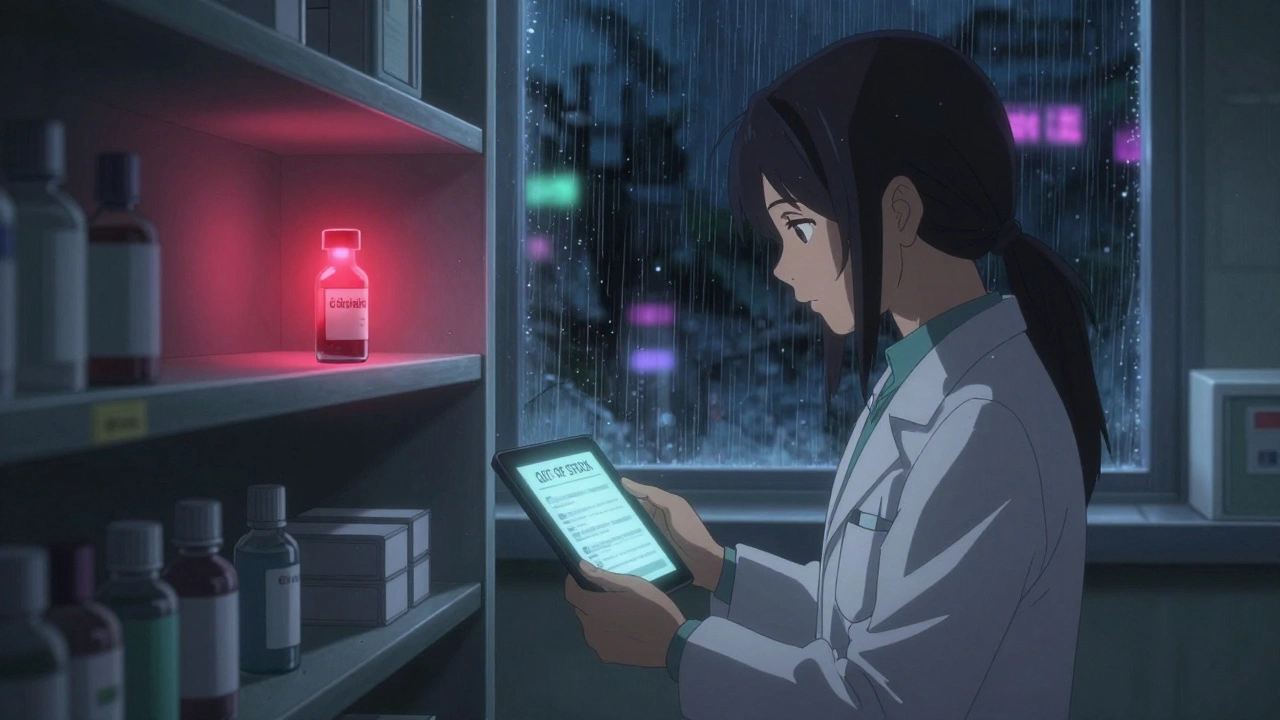
As of 2025, over 270 medications are in short supply in the U.S., including critical drugs like cisplatin, IV fluids, and GLP-1 weight-loss agents. Learn which drugs are hardest to find, why shortages keep happening, and what you can do.

When your body loses too much fluid—whether from illness, sweat, or surgery—you might need IV fluids, liquid solutions delivered directly into your bloodstream through a vein to restore hydration and balance electrolytes. Also known as intravenous fluids, they’re one of the most basic yet critical tools in modern medicine. Unlike drinking water, which takes time to absorb, IV fluids work fast. They’re used in hospitals, ERs, clinics, and even at home for chronic conditions. This isn’t just about quenching thirst—it’s about keeping your organs running when your body can’t hold onto fluids on its own.
Intravenous therapy, the process of delivering fluids directly into the bloodstream, is often paired with fluid replacement strategies for conditions like severe vomiting, diarrhea, or heat exhaustion. The type of fluid matters: normal saline, a saltwater solution that mimics your body’s natural fluid balance is common for dehydration. Lactated Ringer’s, a more complex mix of electrolytes used after trauma or surgery helps restore more than just water—it brings back sodium, potassium, and calcium. And for low blood sugar or metabolic issues, dextrose solutions, sugar-based fluids that give energy to cells are chosen carefully to avoid spikes or crashes.
IV fluids aren’t just for emergencies. People on chemotherapy, those with kidney disease, or even athletes recovering from intense training may need them. But they’re not harmless. Too much fluid can overload the heart, especially in older adults or those with heart failure. Too little, and your kidneys or brain suffer. That’s why dosing and monitoring are so important—something you’ll see covered in posts about pharmacy workflow systems and lab monitoring calendars. The right fluid, at the right time, makes all the difference.
What you’ll find below are real, practical posts that tie into IV fluids in unexpected ways. You’ll learn how IV compounding systems reduce errors in hospitals, how dehydration increases overdose risk during heatwaves, and why accurate dosing matters even when fluids aren’t the main focus. These aren’t just medical facts—they’re life-saving details you won’t find in a brochure. Whether you’re a patient, caregiver, or just someone trying to understand what happens behind the IV bag, this collection gives you the clear, no-fluff truth.
As of 2025, over 270 medications are in short supply in the U.S., including critical drugs like cisplatin, IV fluids, and GLP-1 weight-loss agents. Learn which drugs are hardest to find, why shortages keep happening, and what you can do.