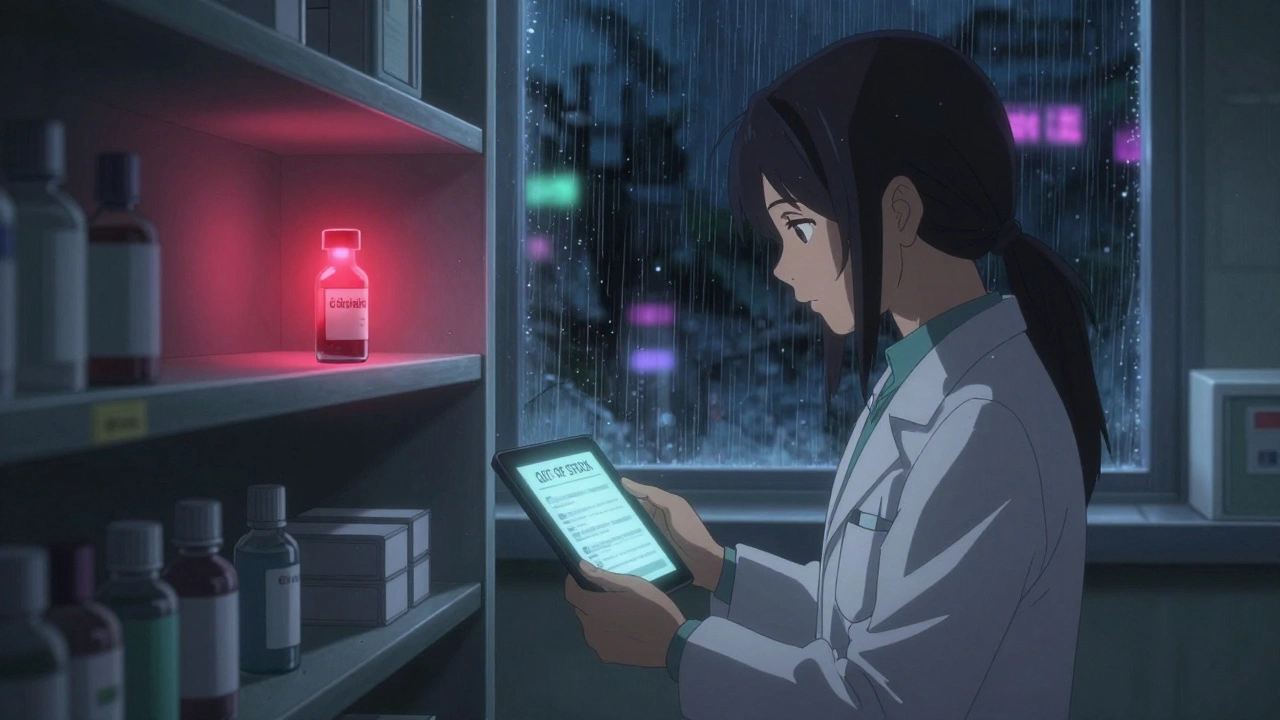
As of 2025, over 270 medications are in short supply in the U.S., including critical drugs like cisplatin, IV fluids, and GLP-1 weight-loss agents. Learn which drugs are hardest to find, why shortages keep happening, and what you can do.

When a medication shortage, a situation where the demand for a drug exceeds available supply, often due to manufacturing issues, regulatory delays, or raw material constraints. Also known as drug supply disruptions, it can leave patients without access to essential treatments for conditions like high blood pressure, epilepsy, or even antibiotics. These aren’t rare glitches—they’re systemic problems that hit hard when you need your medicine the most.
Behind every medication shortage, a situation where the demand for a drug exceeds available supply, often due to manufacturing issues, regulatory delays, or raw material constraints. Also known as drug supply disruptions, it can leave patients without access to essential treatments for conditions like high blood pressure, epilepsy, or even antibiotics. are complex chains of production. Most of the world’s generic drugs, lower-cost versions of brand-name medications that must meet the same safety and effectiveness standards. Also known as off-patent medicines, they make up over 90% of prescriptions in the U.S. and rely heavily on active ingredients from just a few countries, especially India and China. If a single factory in India shuts down for inspection—or if a chemical plant in China gets hit by a flood—the whole pipeline breaks. That’s why you might suddenly find your generic ibuprofen or levothyroxine unavailable, even if the brand name is still on shelves.
It’s not just about running out of pills. pharmaceutical supply, the network of manufacturers, distributors, and regulators that move drugs from production to pharmacy shelves. Also known as drug distribution system, it’s under constant strain from rising demand, aging infrastructure, and profit-driven decisions that favor high-margin brand drugs over low-cost generics. When shortages happen, pharmacies scramble to find alternatives, doctors switch prescriptions, and patients face delays or dangerous substitutions. A 2022 study by the FDA found that over 300 drugs were in short supply at once—many of them critical for heart disease, cancer, and mental health. And these aren’t just numbers. These are people skipping doses, rationing pills, or going without.
Some shortages are temporary. Others last for months. And while you can’t control the supply chain, you can control how you respond. Knowing which drugs are most vulnerable—like antibiotics, insulin, or blood thinners—helps you plan ahead. Talk to your pharmacist. Ask about alternatives. Keep a list of your meds and their generic names. And don’t assume your prescription will always be there.
The posts below dive into the real-world impacts of these gaps in care. You’ll find guides on how to manage when your usual pain reliever isn’t available, why combo generics sometimes cost more than buying separate pills, how to spot unsafe substitutions, and what to do when your thyroid med suddenly disappears. These aren’t theoretical discussions—they’re practical tools from people who’ve lived through these shortages. Whether you’re managing a chronic condition, caring for someone who is, or just trying to stay informed, this collection gives you the facts you need to act—before the pharmacy shelf goes empty.
As of 2025, over 270 medications are in short supply in the U.S., including critical drugs like cisplatin, IV fluids, and GLP-1 weight-loss agents. Learn which drugs are hardest to find, why shortages keep happening, and what you can do.