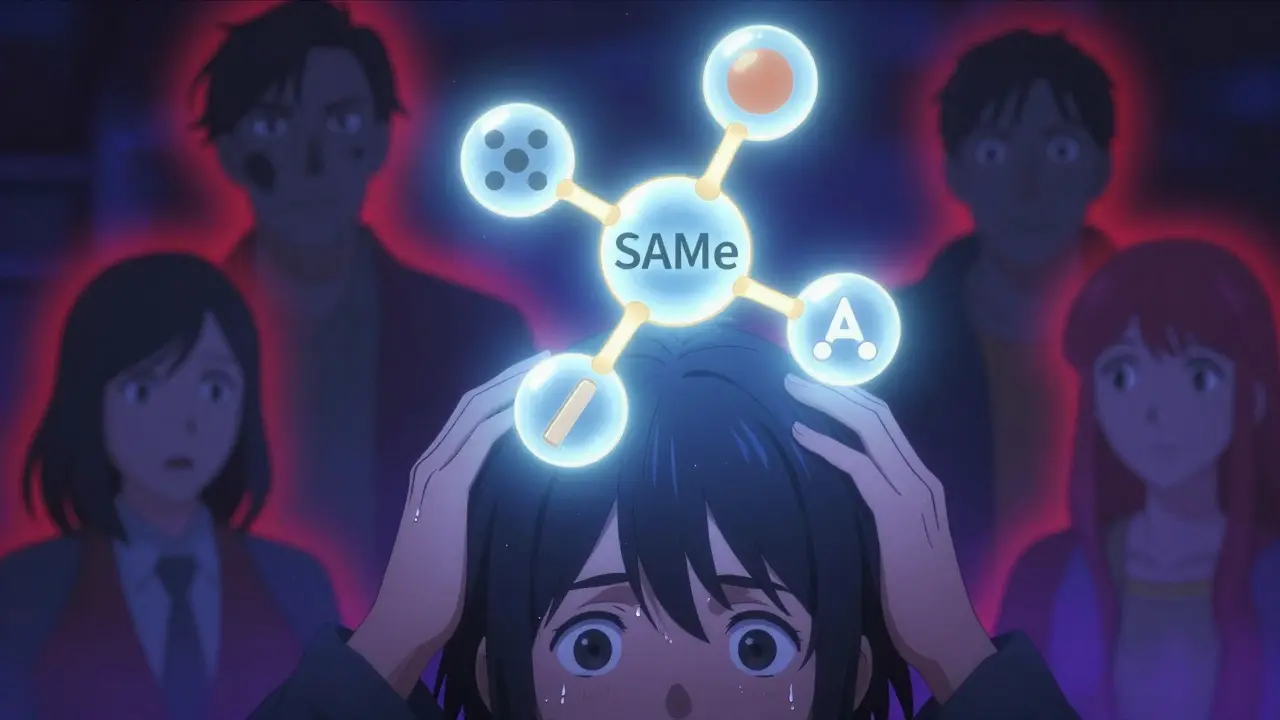
SAMe may help with depression faster than antidepressants, but combining the two can cause serotonin syndrome. Learn the risks, signs of danger, and when it might be safe under medical supervision.

When your body gets too much serotonin, a natural chemical that helps regulate mood, sleep, and digestion. Also known as serotonin toxicity, it can turn from a mild annoyance into a life-threatening emergency within hours. This isn’t about feeling a little extra happy—it’s about your nervous system going into overdrive because of how medications interact. You might be taking something safe on its own, but mix it with another drug, supplement, or even an herbal remedy, and you could trigger a dangerous spike in serotonin levels.
SSRIs, a common class of antidepressants like sertraline and escitalopram are often the starting point. But it’s not just antidepressants. MAOIs, older antidepressants that block serotonin breakdown, can make things worse when combined with SSRIs. Even common painkillers like tramadol, migraine meds like triptans, and supplements like St. John’s wort or dextromethorphan (found in cough syrups) can push you over the edge. The real danger? Many people don’t realize they’re at risk because they think "natural" means safe. It doesn’t. And doctors don’t always ask about every pill or herb you’re taking.
What does serotonin syndrome actually look like? It’s not one symptom—it’s a cluster. Shaking, sweating, rapid heartbeat, high blood pressure, confusion, muscle stiffness, or even seizures. Mild cases feel like the flu mixed with anxiety. Severe cases can raise your body temperature to dangerous levels, cause organ failure, and need emergency care. If you’ve recently started a new medication, changed a dose, or added a supplement and suddenly feel off—don’t wait. This isn’t something you should try to sleep off.
The posts below don’t just list drugs that cause serotonin syndrome—they show you exactly how these interactions happen in real life. You’ll find clear comparisons of antidepressants, warnings about herbal mixtures, and real-world examples of what happens when medications collide. No fluff. No guesswork. Just what you need to recognize the signs, avoid the risks, and talk to your doctor with confidence.
SAMe may help with depression faster than antidepressants, but combining the two can cause serotonin syndrome. Learn the risks, signs of danger, and when it might be safe under medical supervision.
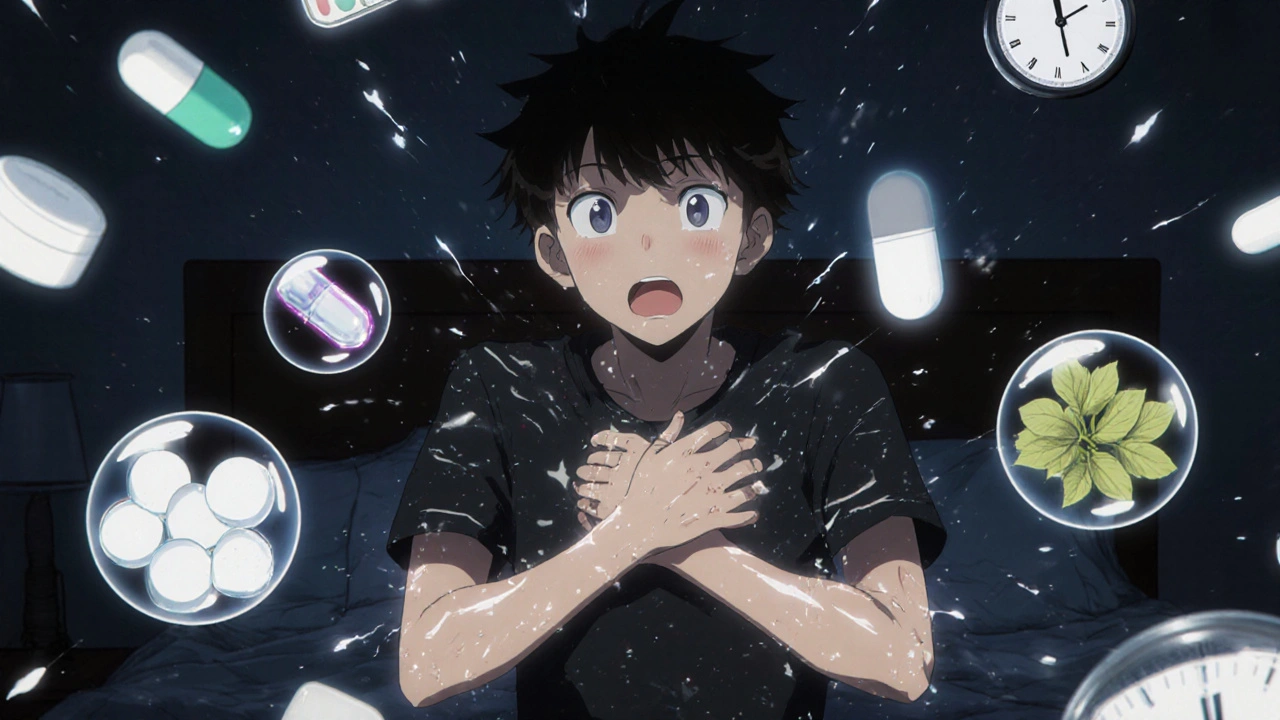
Serotonin syndrome is a life-threatening reaction caused by too much serotonin from medication interactions. Learn the warning signs, common drug triggers, and what to do in an emergency to save a life.