

| Key Metric | Value / Fact |
|---|---|
| Global Prevalence (2021) | ~537 million adults |
| Main Cause | Insulin resistance & beta-cell decline |
| Primary Target (HbA1c) | Generally < 7.0% |
| First-line Medication | Metformin |
Spotting the Signs: More Than Just Thirst
The tricky thing about this condition is that it doesn't usually hit you all at once. Symptoms creep in over years, often so slowly that you don't notice them until they become a problem. One of the most common markers is Polydipsia, or excessive thirst, which affects nearly 80% of newly diagnosed patients. When your blood sugar is high, your kidneys work overtime to filter it out, which drags water from your tissues and leaves you dehydrated.
This leads directly to Polyuria (frequent urination). You might find yourself waking up multiple times a night, which then fuels a cycle of chronic fatigue. Other red flags include blurred vision and wounds that refuse to heal. A specific clinical sign to look for is Acanthosis Nigricans-dark, velvety patches of skin usually found around the neck or armpits. This isn't just a skin issue; it's a visible signal that your body is struggling with insulin resistance.
Surprisingly, some people have no symptoms at all. About 15-20% of people only find out they have diabetes during a routine blood test or after a complication, like a heart issue, appears. If you have a family history or a high BMI, getting a baseline check is far better than waiting for symptoms to appear.
Why Does This Happen? The Root Causes
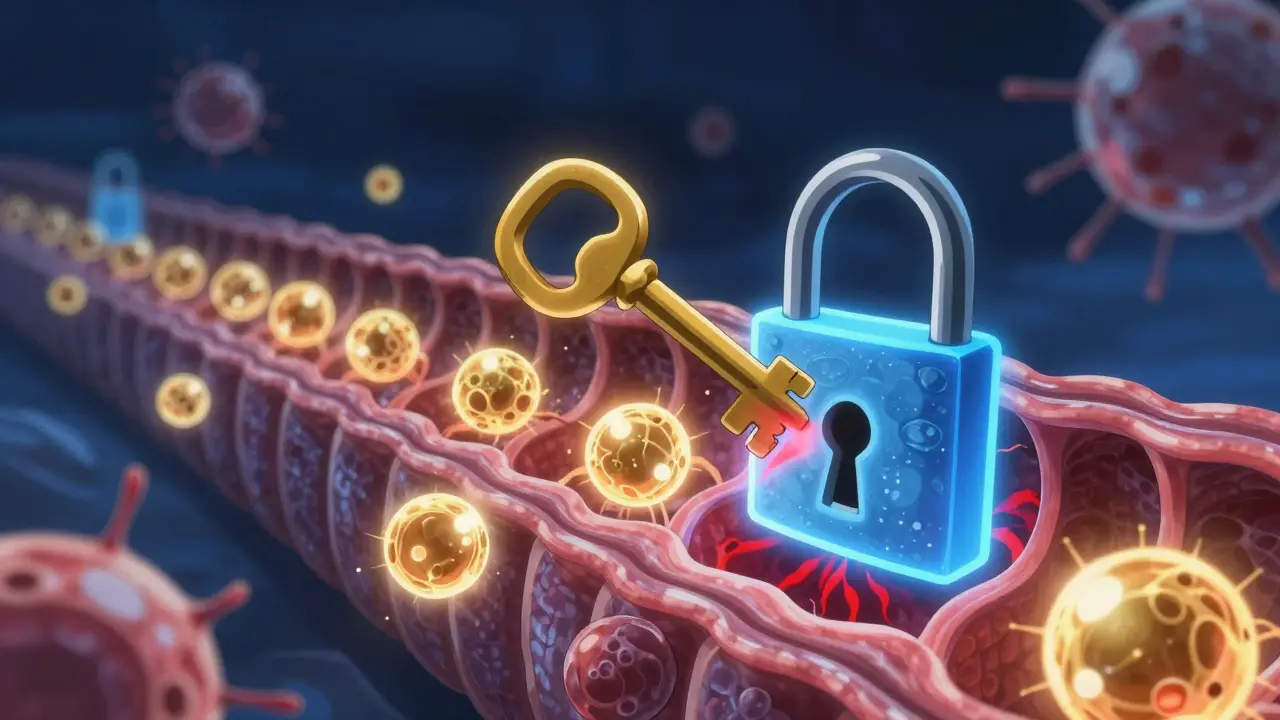
To understand the cause, we have to talk about Insulin Resistance. Think of insulin as a key that unlocks your cells to let glucose (sugar) in for energy. In type 2 diabetes, the lock is jammed. Your muscle and liver cells stop responding to the key. Initially, your pancreas tries to compensate by pumping out two to three times the normal amount of insulin, but eventually, the Beta-cells in the pancreas wear out. By the time most people are diagnosed, they've already lost about 50% of their beta-cell function.
It is a mix of things you can change and things you can't. Genetics play a massive role; if a parent has it, your risk jumps by 40%. Some ethnic groups, particularly Native American and African American populations, face significantly higher prevalence rates due to a combination of genetic susceptibility and socioeconomic factors.
On the modifiable side, obesity is the heavy hitter. Someone with a BMI over 30 is roughly 80 times more likely to develop the condition than someone with a BMI under 22. Physical inactivity also contributes to about a quarter of all cases globally. It's not just about weight, though-it's about how your body processes energy.
The Danger of Leaving It Untreated
If blood sugar stays high for too long, it acts like sandpaper on your blood vessels and nerves. The most serious impact is on the heart. Cardiovascular disease is responsible for the vast majority of deaths in people with diabetes, with the risk of stroke or heart attack being two to four times higher than normal.
Then there is the "silent" damage. Diabetic Neuropathy affects up to 70% of patients after a decade of living with the disease. This numbness usually starts in the toes and fingers. When you can't feel a small cut on your foot, it can turn into an ulcer, and in severe cases, this leads to amputation. Similarly, Diabetic Retinopathy damages the blood vessels in the retina, leading to thousands of new cases of blindness every year.
We also can't ignore the brain and mind. There is a strong link between diabetes and Alzheimer's disease-some researchers even call it "type 3 diabetes." Additionally, depression is twice as common in people with diabetes as in the general population, which often makes it even harder to stick to a management plan.
Taking Control: Management and Treatment
The goal of management is usually to keep your HbA1c (your average blood sugar over three months) below 7.0%. However, this isn't a one-size-fits-all number. An older adult with other health issues might have a target of 8.0% to avoid the danger of hypoglycemia (dangerously low blood sugar).
Lifestyle changes are the foundation. Losing just 7% of your body weight can slash the risk of progression by 58%. This involves moving away from processed sugars and incorporating more movement. But for many, lifestyle alone isn't enough. Metformin is almost always the first medication prescribed because it's effective and well-studied, typically lowering HbA1c by 1% to 2%.
If Metformin isn't enough, doctors now often turn to more advanced options like GLP-1 receptor agonists or SGLT2 inhibitors. These aren't just for blood sugar; they provide significant cardiovascular protection and help with weight loss. More recently, dual agonists like tirzepatide have shown even more dramatic results in both glucose reduction and weight loss.

The Future: Technology and Remission
We are entering an era of precision medicine. We no longer rely solely on finger-prick tests. Continuous Glucose Monitors (CGM) allow patients to see their sugar levels in real-time on their smartphones, which removes the guesswork from eating and exercise. Some people are even using hybrid closed-loop systems-essentially an artificial pancreas-to automate their care.
Perhaps the most exciting development is the concept of remission. The DIALECT trial showed that nearly half of participants who followed a strict, structured weight management program (including total diet replacement for a few months) achieved remission. This means they had an HbA1c under 6.5% without needing any medication. While this requires intense effort, it proves that the disease isn't always a one-way street.
Can Type 2 Diabetes be cured?
While there is no permanent "cure" in the sense that the genetic predisposition remains, many people achieve remission. Remission occurs when blood sugar levels return to a non-diabetic range (HbA1c < 6.5%) without the use of medication. This is usually achieved through significant weight loss and dietary changes, but it requires lifelong maintenance to prevent the condition from returning.
What is the difference between Type 1 and Type 2?
Type 1 is an autoimmune condition where the body attacks the insulin-producing cells in the pancreas, meaning the body produces little to no insulin. It usually appears in childhood. Type 2 is primarily characterized by insulin resistance, where the body doesn't use insulin properly. It is more closely linked to lifestyle and genetics and typically develops in adulthood, though it is increasingly seen in teens.
How often should I check my blood sugar?
This depends on your treatment plan. People on insulin usually check multiple times a day. Those on Metformin or lifestyle changes might check less frequently. However, using a Continuous Glucose Monitor (CGM) provides a constant stream of data, which is often more helpful than a single snapshot from a finger-prick test.
Is Metformin safe for long-term use?
Yes, Metformin is widely considered safe and is the gold standard for first-line therapy. Some users experience gastrointestinal side effects (like nausea or diarrhea) when starting, but these usually fade. Your doctor will monitor your kidney function periodically to ensure the medication remains safe for your specific health profile.
Can I reverse diabetes with just a diet?
Diet is a cornerstone of management, and for some, a very low-calorie or low-carb approach can lead to remission. However, because type 2 diabetes is progressive (beta-cell function declines over time), some people will eventually need medication regardless of their diet. It's best to use a combination of diet, exercise, and medical guidance.
Next Steps for Your Health Journey
If you've just been diagnosed or suspect you have diabetes, the first step is to get a comprehensive HbA1c test and a fasting glucose test. Don't try to manage this alone; a multidisciplinary team-including a primary care doctor, an endocrinologist, and a registered dietitian-is your best bet for success.
For those already managing the condition, consider auditing your tech. If you are still doing manual finger-pricks and struggling with "dawn phenomenon" (high morning sugar), ask your provider about a CGM. Small adjustments in the timing of your walks after meals or switching to a higher-fiber carbohydrate can also make a surprising difference in your daily readings.
I am a pharmaceutical expert with over 20 years of experience in the industry. I am passionate about bringing awareness and education on the importance of medications and supplements in managing diseases. In my spare time, I love to write and share insights about the latest advancements and trends in pharmaceuticals. My goal is to make complex medical information accessible to everyone.