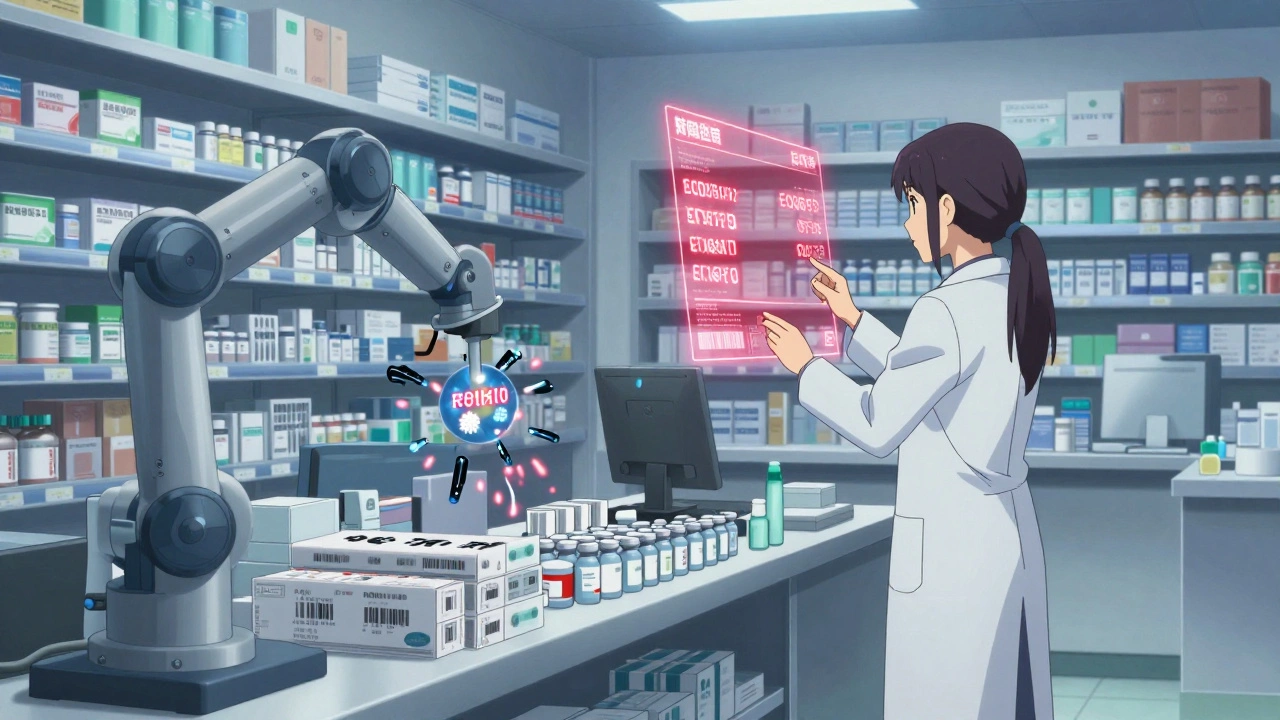
Pharmacy workflow and error prevention systems use automation, barcode scanning, and AI to cut medication errors by up to 90%. Learn how these tools work, which ones are best for your setting, and why simply buying software isn't enough.

When it comes to your health, error prevention, the practice of stopping mistakes before they cause harm. Also known as medication safety, it’s not just about reading labels—it’s about understanding how your body reacts, what tools you need, and when to ask for help. A single wrong dose, a missed lab test, or using the wrong spoon can turn a routine treatment into a medical emergency. This isn’t theoretical. Every year, hundreds of thousands of people end up in hospitals because of preventable medication errors—and most of them happen at home.
Lab monitoring, regular blood tests that track how your body handles certain drugs, is one of the most powerful tools for error prevention. If you’re on warfarin, lithium, or clozapine, skipping your scheduled blood work isn’t just careless—it’s dangerous. These drugs have narrow safety margins. Too little won’t help. Too much can kill you. That’s why calendars, reminders, and clear targets for INR or drug levels aren’t optional. They’re lifelines. And drug dosing, the precise amount of medicine you take at the right time matters just as much. Never use a kitchen spoon for children’s medicine. Never skip spacing probiotics after antibiotics. Never mix caffeine with warfarin or levothyroxine without checking. These aren’t myths. They’re proven risks backed by real cases of overdose, organ damage, and even death.
Some errors come from misunderstanding how drugs work. The 80-125% rule for generics? It’s not about ingredients—it’s about how fast your body absorbs them. And if you think "unscented" cleaning products are safe for allergies, you might be wrong. Many still contain hidden irritants. Same with montelukast: it doesn’t stop an asthma attack in progress. It prevents them. Taking it wrong makes it useless. And antibiotics like clindamycin? They can trigger a life-threatening gut infection if you don’t know the warning signs. These aren’t edge cases. They’re common traps.
There’s no magic fix. Error prevention isn’t about being perfect. It’s about building habits that catch mistakes before they hurt you. Using an oral syringe. Setting phone alerts for blood tests. Knowing when to call your doctor about diarrhea after an antibiotic. Understanding that your medication isn’t just a pill—it’s a system that needs care. The posts below give you the exact steps, tools, and red flags you need to protect yourself. No fluff. No guesswork. Just what works.
Pharmacy workflow and error prevention systems use automation, barcode scanning, and AI to cut medication errors by up to 90%. Learn how these tools work, which ones are best for your setting, and why simply buying software isn't enough.