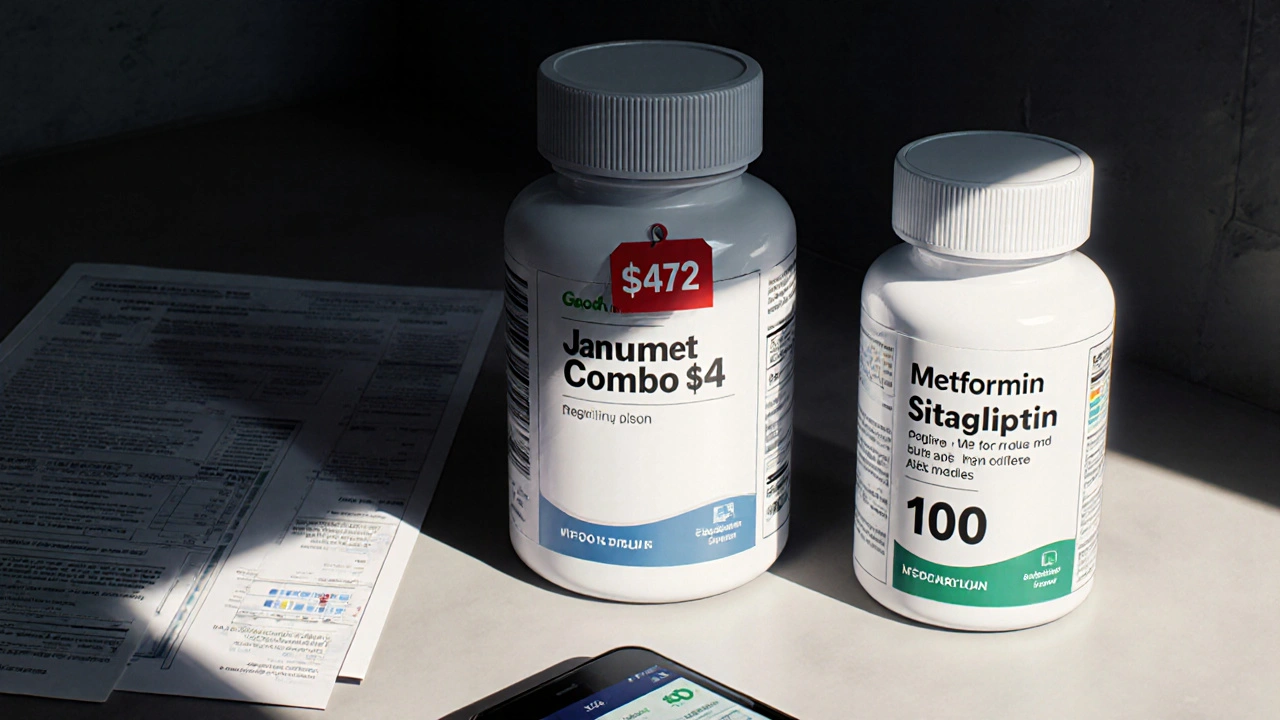
Combo generics often cost 3-4 times more than buying the same drugs as separate generics. Real data shows billions in wasted spending - here’s how to save hundreds per month.

When you take fixed-dose combination, a single pill that contains two or more active drugs in set amounts. Also known as combination pills, it’s designed to make treatment simpler — especially when you need to take multiple medicines every day. Instead of swallowing three or four pills, you take one. That might sound small, but it makes a real difference in how well people stick to their treatment plans.
Fixed-dose combinations are common in treating chronic conditions where timing and consistency matter. For example, in HIV treatment, a single pill might combine three antiretrovirals like tenofovir, emtricitabine, and efavirenz, as seen in regimens like Atripla or Biktarvy. In high blood pressure, a pill might mix an ACE inhibitor with a diuretic to lower pressure from two angles at once. Even for tuberculosis, drugs like ethambutol and isoniazid are combined to prevent resistance and simplify daily dosing. These aren’t random mixes — they’re carefully tested to work together safely and effectively.
Why does this matter to you? Taking fewer pills reduces confusion, cuts down on missed doses, and lowers the chance of dangerous interactions. It also helps avoid the "pill burden" — that heavy feeling of juggling a handful of meds every morning. Studies show people on fixed-dose combinations are more likely to stay on their treatment long-term. But it’s not perfect. If you have side effects, it can be harder to tell which drug is causing them. And if your dose needs adjusting, you might have to switch to separate pills. Still, for many, the benefits outweigh the downsides.
Behind every fixed-dose combination is a goal: better health through simplicity. Whether you’re managing HIV, diabetes, heart disease, or asthma, these pills are built to fit into real life — not the other way around. Below, you’ll find real-world examples of how these combinations are used, what to watch for, and how they compare to taking drugs separately.
Combo generics often cost 3-4 times more than buying the same drugs as separate generics. Real data shows billions in wasted spending - here’s how to save hundreds per month.