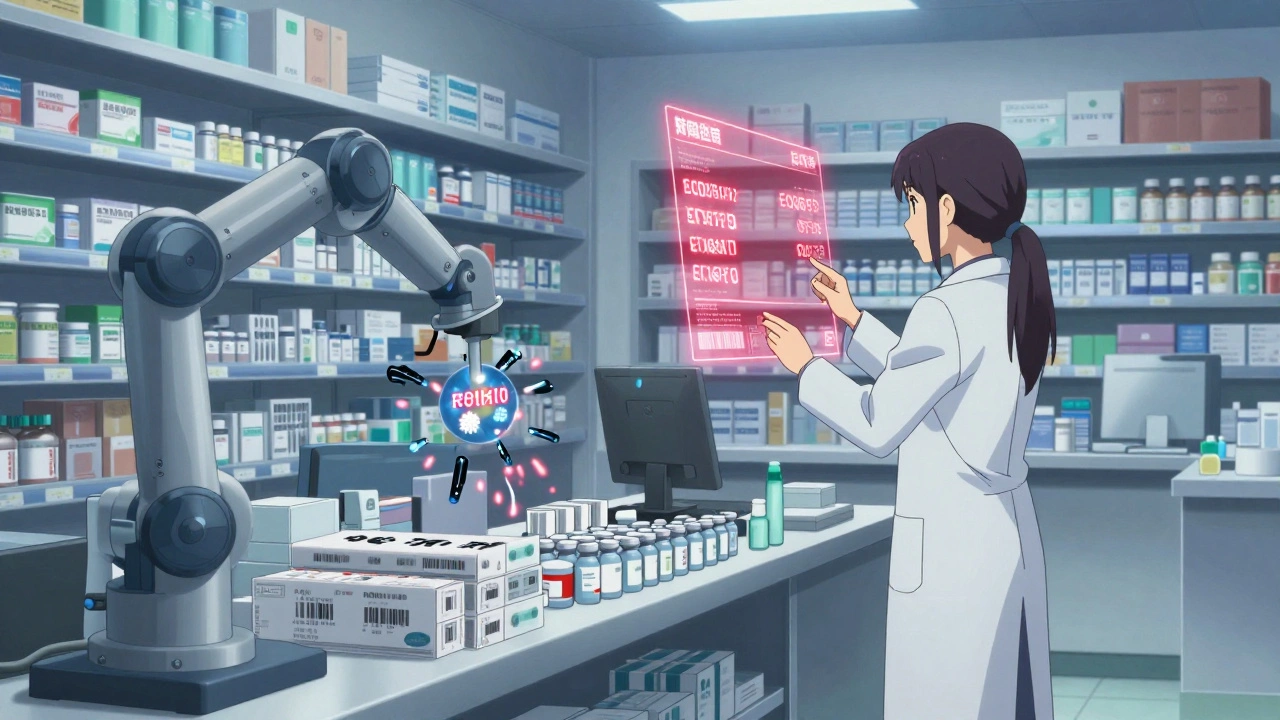
Pharmacy workflow and error prevention systems use automation, barcode scanning, and AI to cut medication errors by up to 90%. Learn how these tools work, which ones are best for your setting, and why simply buying software isn't enough.

When you pick up a prescription, you’re not just getting a bottle of pills—you’re receiving the result of a carefully managed pharmacy workflow, the end-to-end process that ensures the right drug reaches the right patient at the right time, with checks at every stage to prevent errors. Also known as medication dispensing process, it’s the quiet engine behind every safe medication experience. This isn’t just about counting tablets. It’s a chain of decisions, verifications, and safeguards designed to stop mistakes before they happen.
Behind the counter, a prescription processing, the system that receives, reviews, and prepares prescriptions for fulfillment. Also known as script intake, it starts the moment your doctor sends the order. Pharmacists check for drug interactions, correct dosages, allergies, and whether the prescription matches your medical history. Then comes pharmacy operations, the daily systems and staff roles that keep the pharmacy running safely and efficiently. Also known as pharmaceutical workflow, it includes labeling, double-checking, inventory control, and coordinating with insurance. Every step is designed to reduce human error—because a single misread dosage or wrong label can have serious consequences. You don’t see it, but your pharmacist is comparing your current meds to new ones, checking kidney or liver function notes, and confirming you’re not getting two drugs that cancel each other out.
And it’s not just about accuracy—it’s about timing. A drug safety, the set of practices and protocols aimed at preventing harm from medications. Also known as medication safety, it system flags high-risk drugs like blood thinners or antibiotics that need extra scrutiny. That’s why some prescriptions take longer. That’s why your pharmacist asks if you’ve been feeling dizzy or if you’ve changed your diet. They’re not being nosy—they’re following the workflow to protect you.
What you’ll find in this collection are real, practical breakdowns of how these systems work in the real world. You’ll learn why generic drugs must meet strict absorption rules, how lab tests keep dangerous side effects in check, and why using the wrong spoon to dose your child’s medicine can be deadly. You’ll see how inhaler technique, caffeine interactions, and even naps for shift workers tie into the bigger picture of medication safety. This isn’t theory—it’s the daily reality of pharmacy workflow, spelled out in plain language by people who’ve seen what happens when things go wrong.
Pharmacy workflow and error prevention systems use automation, barcode scanning, and AI to cut medication errors by up to 90%. Learn how these tools work, which ones are best for your setting, and why simply buying software isn't enough.