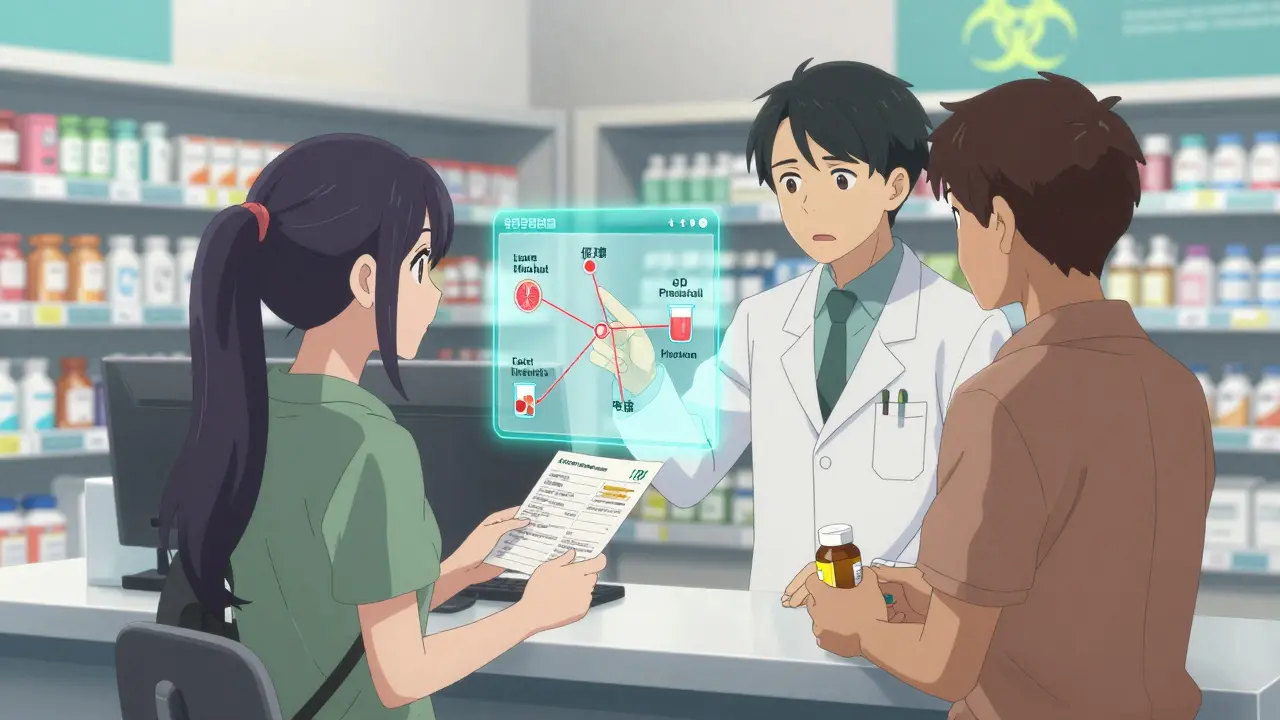
Learn the key questions to ask your pharmacist about medication interactions to avoid dangerous side effects, food-drug clashes, and harmful supplement reactions. Stay safe with expert advice.

When you take more than one medication—or even a herbal supplement—your body doesn’t always handle it the way you expect. This is called a medication interaction, a reaction between two or more drugs or substances that changes how they work in your body. Also known as drug interactions, these can make a pill too strong, too weak, or even turn it into something harmful. It’s not just about prescription drugs. Things like Dong Quai, St. John’s Wort, or even grapefruit juice can mess with your meds in ways you’d never guess.
Some of the most dangerous medication interactions, happen with blood thinners like warfarin. Anticoagulants need to stay in a tight range—too little and you risk a stroke; too much and you could bleed internally. That’s why INR monitoring, a blood test that measures how long it takes your blood to clot is so critical. But even with regular tests, something as simple as starting an herbal supplement can throw your levels off. Dong Quai, for example, isn’t just "natural"—it acts like a blood thinner too, and mixing it with warfarin can lead to serious bleeding. The same goes for NSAIDs like diclofenac, which can increase bleeding risk when paired with anticoagulants.
It’s not just blood thinners. NTI generics, drugs with a narrow therapeutic index where small changes in dosage can cause serious harm—like minocycline or certain seizure meds—need extra care. A tiny difference in how your body absorbs a generic version can mean the difference between treatment and toxicity. That’s why regulators like the FDA and EMA treat them differently than regular generics. And then there’s high-altitude travel: sedatives like alcohol or benzodiazepines slow your breathing. At elevation, that’s a recipe for dangerous oxygen drop. Even something as common as erythromycin can interfere with other drugs by changing how your liver processes them.
You don’t need to be a pharmacist to stay safe. Start by asking: "What else am I taking?" That includes vitamins, teas, CBD, and over-the-counter painkillers. Keep a list. Talk to your pharmacist when you pick up a new script. And if you’re on something like warfarin, NTI generics, or heart meds, don’t assume "natural" means "safe." Some of the most dangerous interactions come from things you think are harmless.
Below, you’ll find real, practical guides on exactly which drugs clash, why they do it, and what to do instead. From how Dong Quai affects warfarin to why certain antibiotics shouldn’t be mixed with sedatives, these articles cut through the noise. No fluff. Just what you need to avoid bad reactions and stay in control of your health.
Learn the key questions to ask your pharmacist about medication interactions to avoid dangerous side effects, food-drug clashes, and harmful supplement reactions. Stay safe with expert advice.
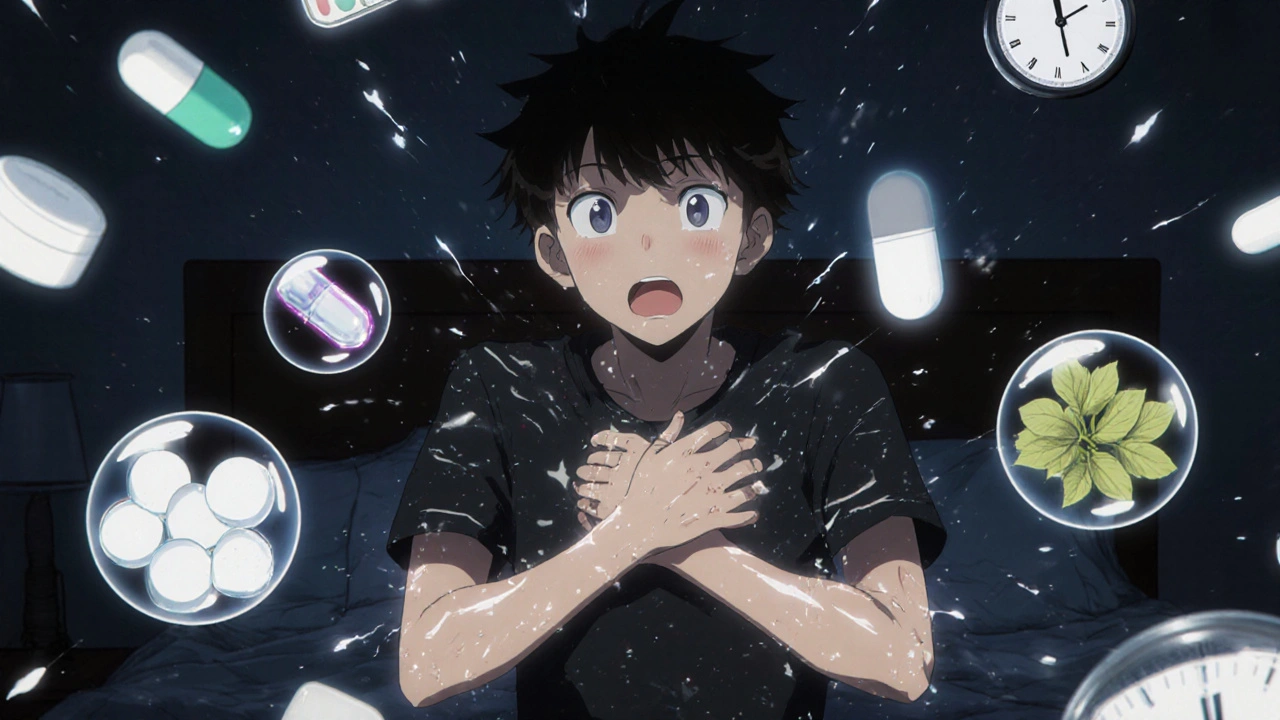
Serotonin syndrome is a life-threatening reaction caused by too much serotonin from medication interactions. Learn the warning signs, common drug triggers, and what to do in an emergency to save a life.