Explore the policy differences between generic and brand-name drug coverage. Learn how insurance formularies, tiered costs, and prior authorization rules impact your prescription costs and access.

When you hear generic drugs, lower-cost versions of brand-name medications that contain the same active ingredients, dosages, and intended uses. Also known as generic medications, they are approved by health agencies worldwide to work exactly like their more expensive counterparts. Many people assume generics are weaker or made with cheaper materials—but that’s not true. The FDA and similar global agencies require them to match brand-name drugs in strength, safety, and how fast they work in your body. The only differences? The color, shape, or inactive fillers—and the price, which can be 80% lower.
Why does this matter? Because brand name drugs, medications sold under a company’s trademark after years of research and patent protection often cost hundreds or even thousands of dollars a month. Think of warfarin, metformin, or doxazosin—these are all available as generics. If you’re taking any of the drugs mentioned in our posts—like ethambutol for TB, lamivudine for HIV, or diclofenac for pain—you’re likely already using a generic version without realizing it. And if you’re not, switching could save you hundreds a year. drug costs, the amount you pay out of pocket for prescriptions, which vary wildly between brand and generic versions are one of the biggest reasons people skip doses or stop treatment. Generic drugs fix that.
Not every drug has a generic, but most do. And even when they don’t, there are often other generic alternatives that work just as well. For example, if you’re on Combivir for HIV, newer generics like Biktarvy are now the standard. If you’re using Myambutol for tuberculosis, other generic antibiotics might be cheaper or have fewer side effects. Even supplements like Dong Quai can interact with generics like warfarin—so knowing you’re on a generic doesn’t mean you can ignore drug interactions. The same rules apply: check with your doctor, read labels, and ask about alternatives.
Here’s what you’ll find in the posts below: real-world comparisons of generic and brand-name drugs, stories from people who switched and saved, warnings about dangerous interactions, and guides on how to get the best price—even with insurance. Whether you’re managing diabetes, high blood pressure, HIV, or chronic pain, there’s a generic option that works. You just need to know where to look.
Explore the policy differences between generic and brand-name drug coverage. Learn how insurance formularies, tiered costs, and prior authorization rules impact your prescription costs and access.
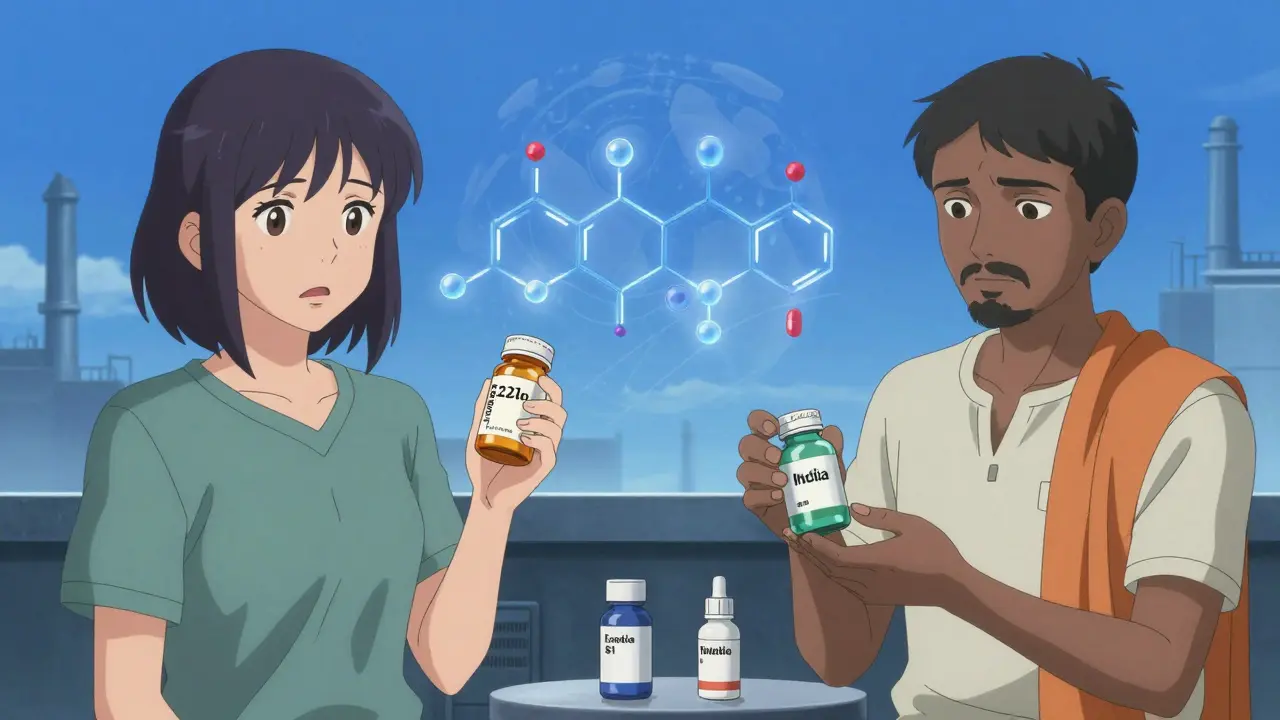
Generics save billions worldwide, but how countries set prices varies wildly-from China's 93% cuts to the U.S.'s 90% use rate. Discover how policies shape access, quality, and survival in the global generic drug market.
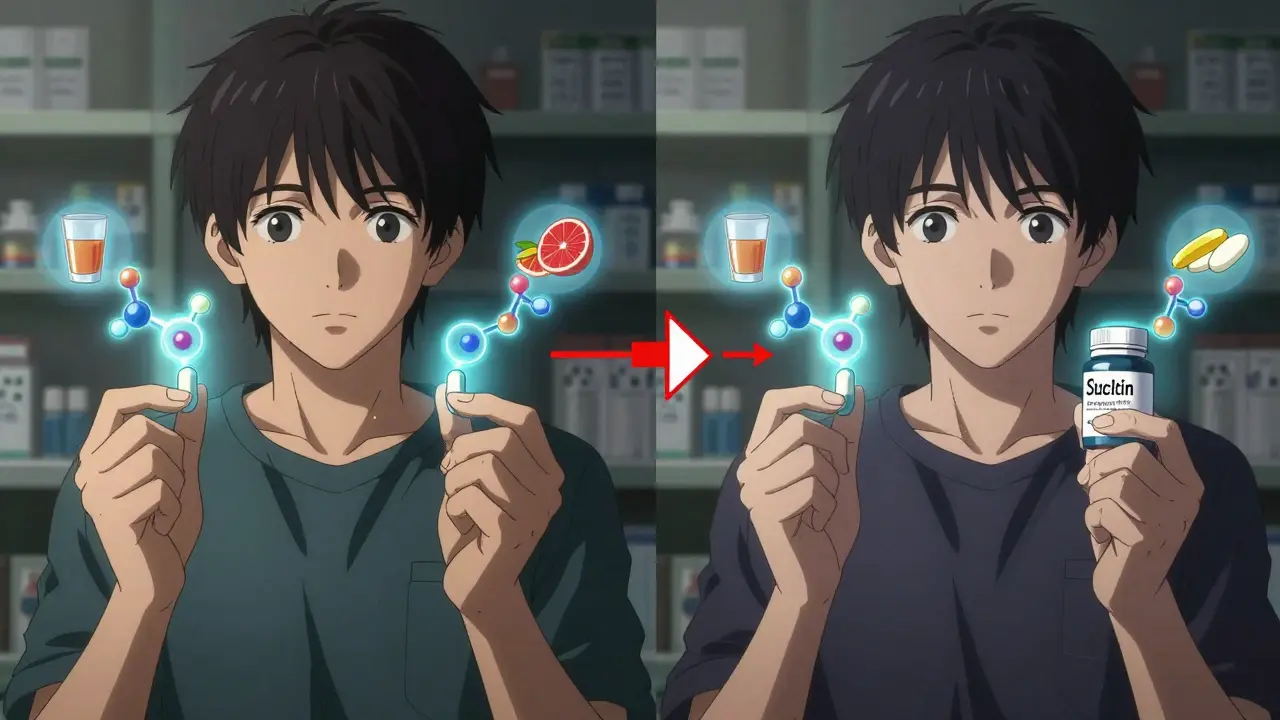
Generic and brand-name drugs have the same active ingredients and carry the same risk of drug interactions. Regulatory standards ensure bioequivalence, making generics just as safe and effective as their branded counterparts.
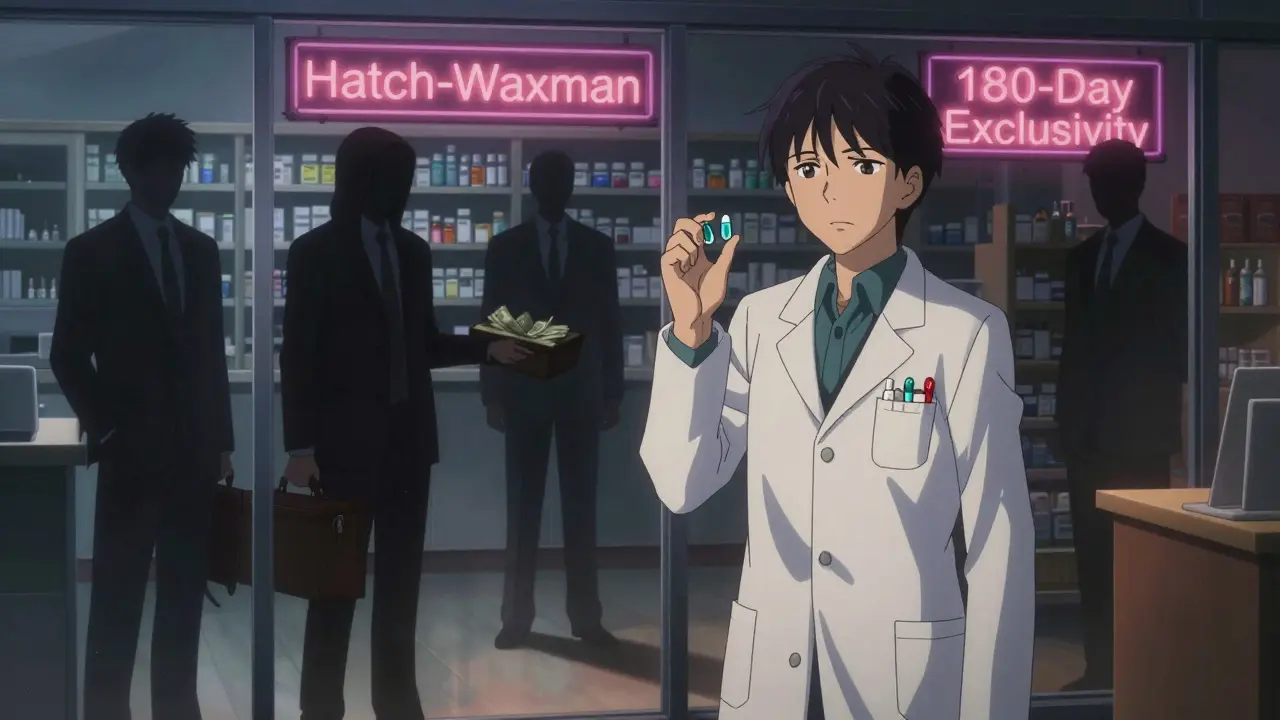
Antitrust laws in the generic drug market prevent big pharma from blocking cheaper alternatives through pay-for-delay deals, patent abuse, and product hopping. These tactics cost patients billions-here’s how they work and who’s fighting back.
Inactive ingredients in generic medications can interact dangerously when taken together, causing allergic reactions, reduced effectiveness, or GI issues. Learn how to spot hidden risks and protect your health.
Learn how coupons, generics, and prior authorizations impact your prescription costs in 2025. Discover real ways to save money on medications without waiting for policy changes.

India and China dominate the global generic drug market, with India leading in volume and China controlling the supply of active ingredients. Emerging economies like Vietnam and Cambodia are carving out niche roles in this high-stakes industry.
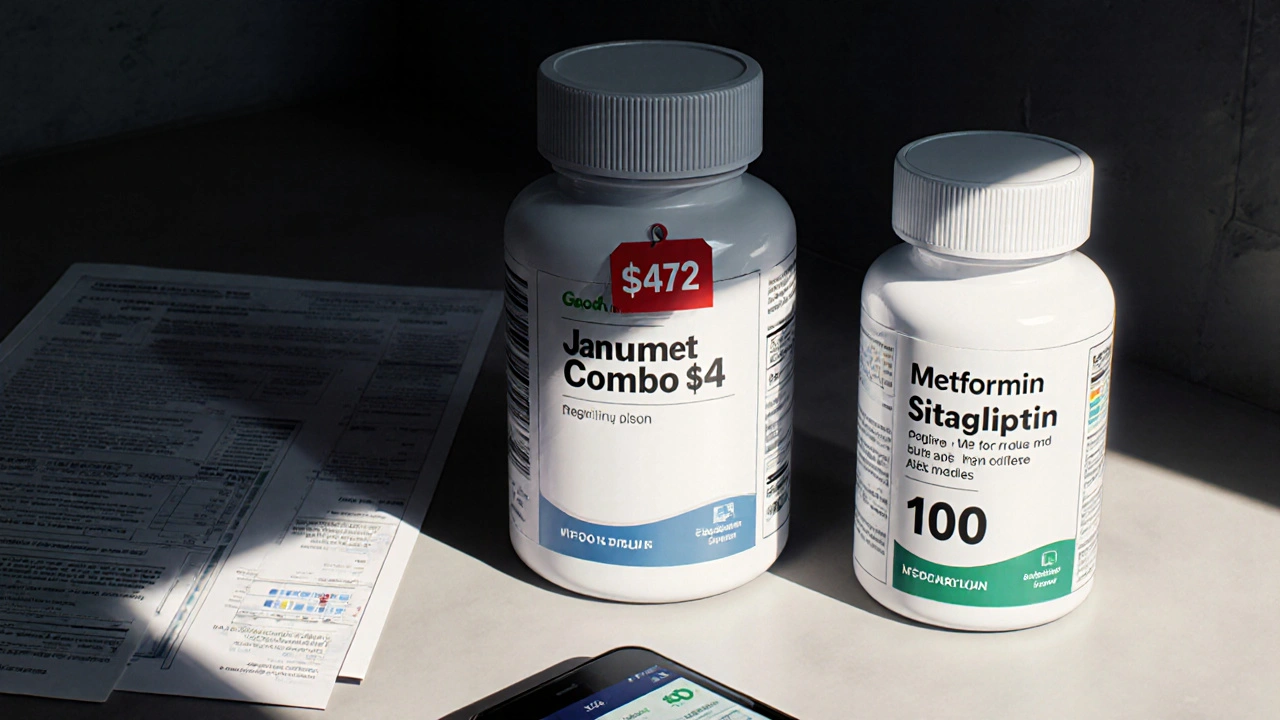
Combo generics often cost 3-4 times more than buying the same drugs as separate generics. Real data shows billions in wasted spending - here’s how to save hundreds per month.
NTI generics require strict regulatory oversight due to their narrow safety margin. This article compares how the FDA, EMA, Canada, Japan, and others regulate these high-risk drugs - and why global alignment is critical for patient safety.