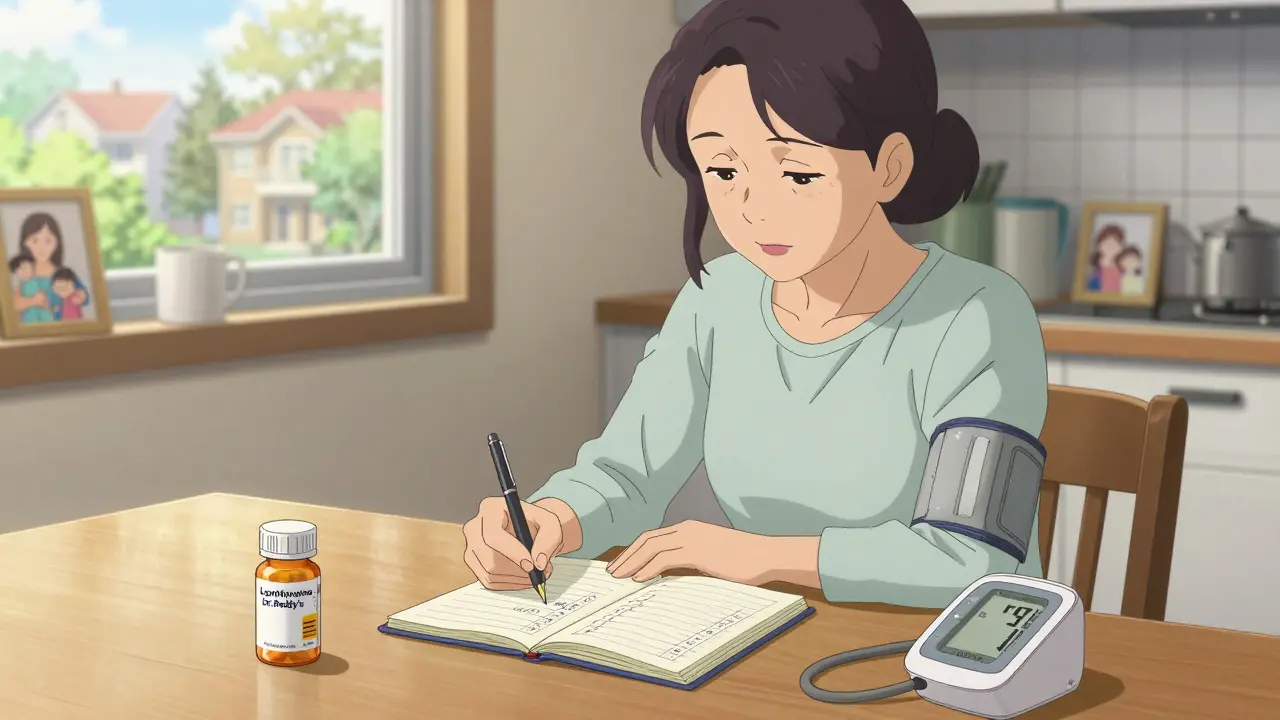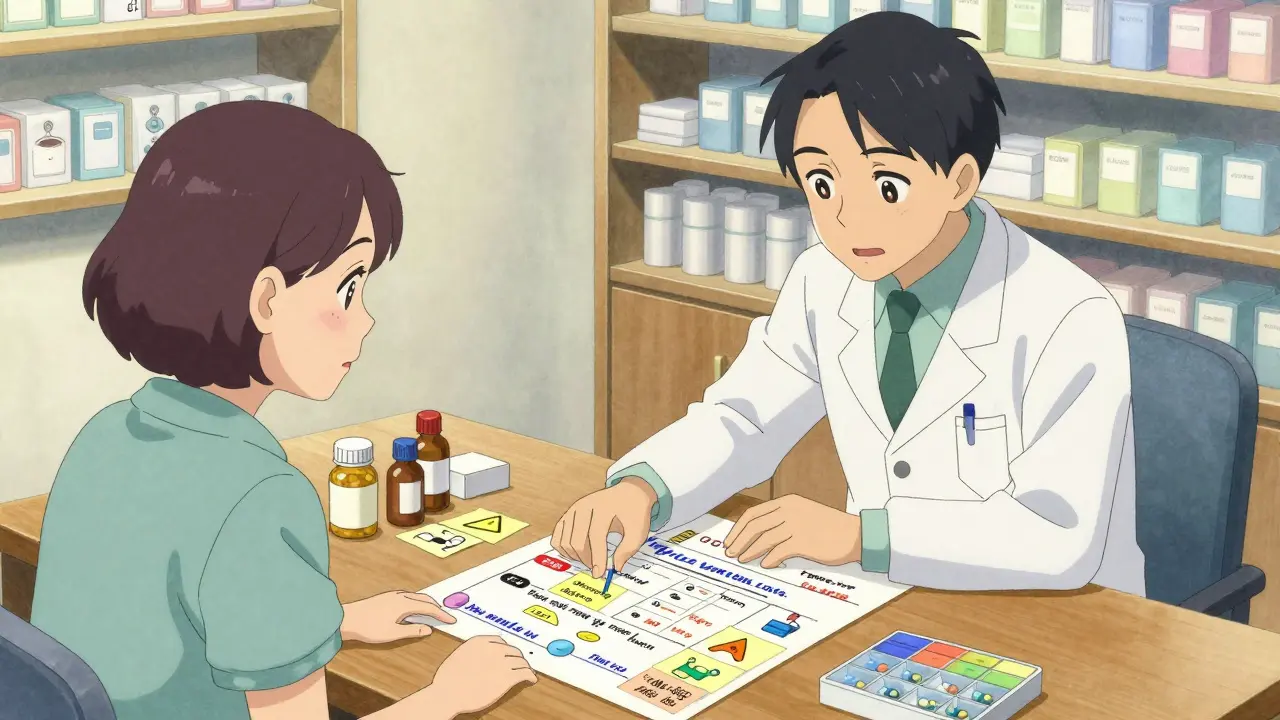
Learn how to create a personalized medication action plan with your doctor and pharmacist to improve adherence, avoid dangerous interactions, and take your medicines safely every day.
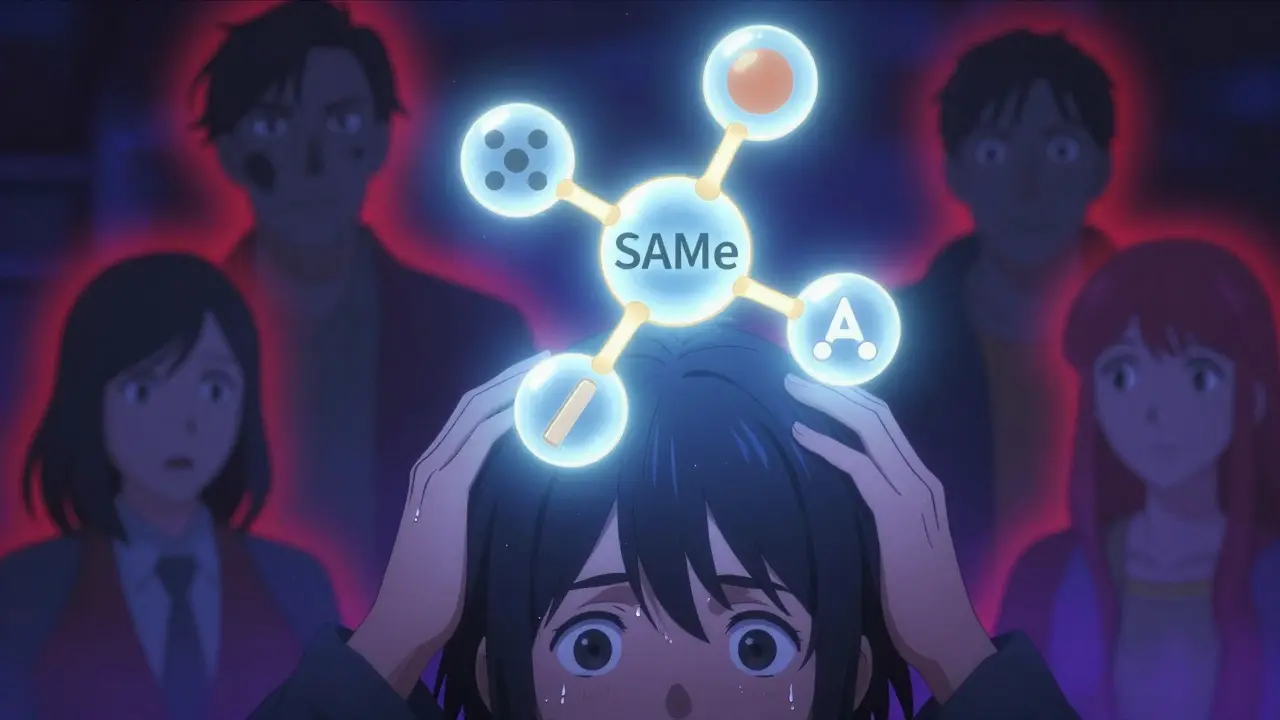
SAMe may help with depression faster than antidepressants, but combining the two can cause serotonin syndrome. Learn the risks, signs of danger, and when it might be safe under medical supervision.
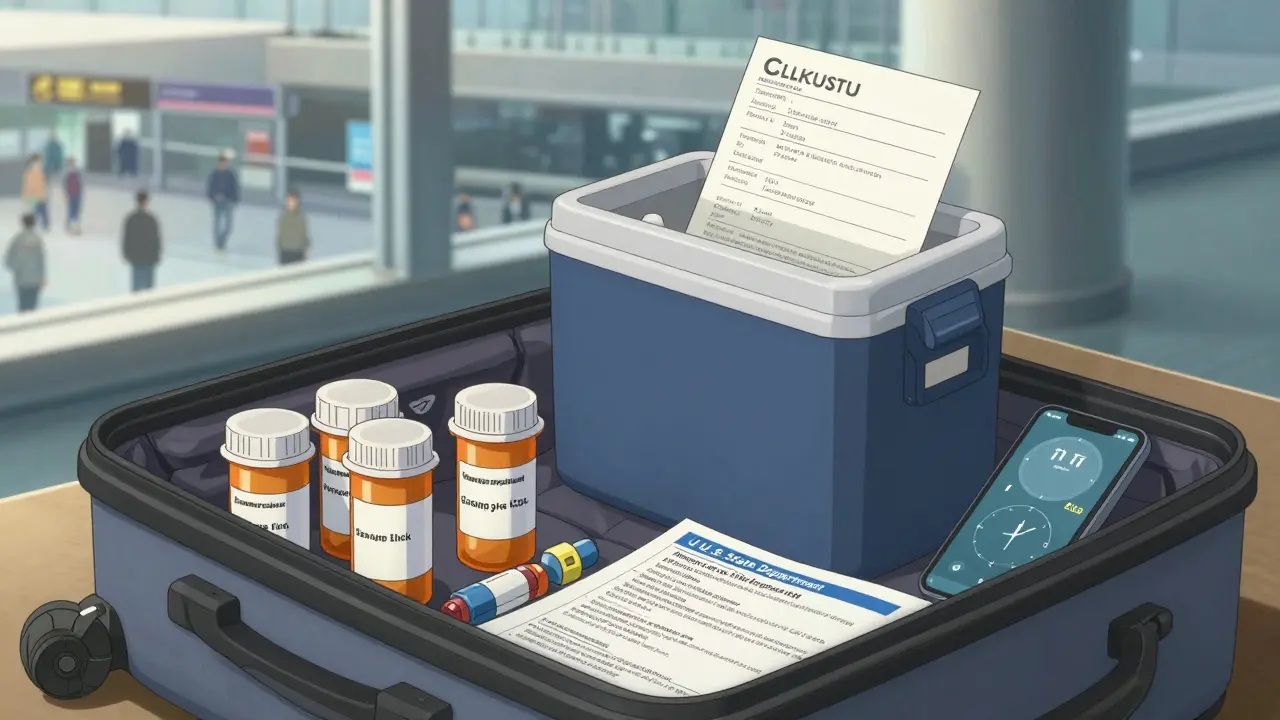
Learn how to safely travel with medications, avoid legal trouble abroad, manage side effects, and handle TSA rules. Essential tips for anyone taking daily prescriptions on a trip.
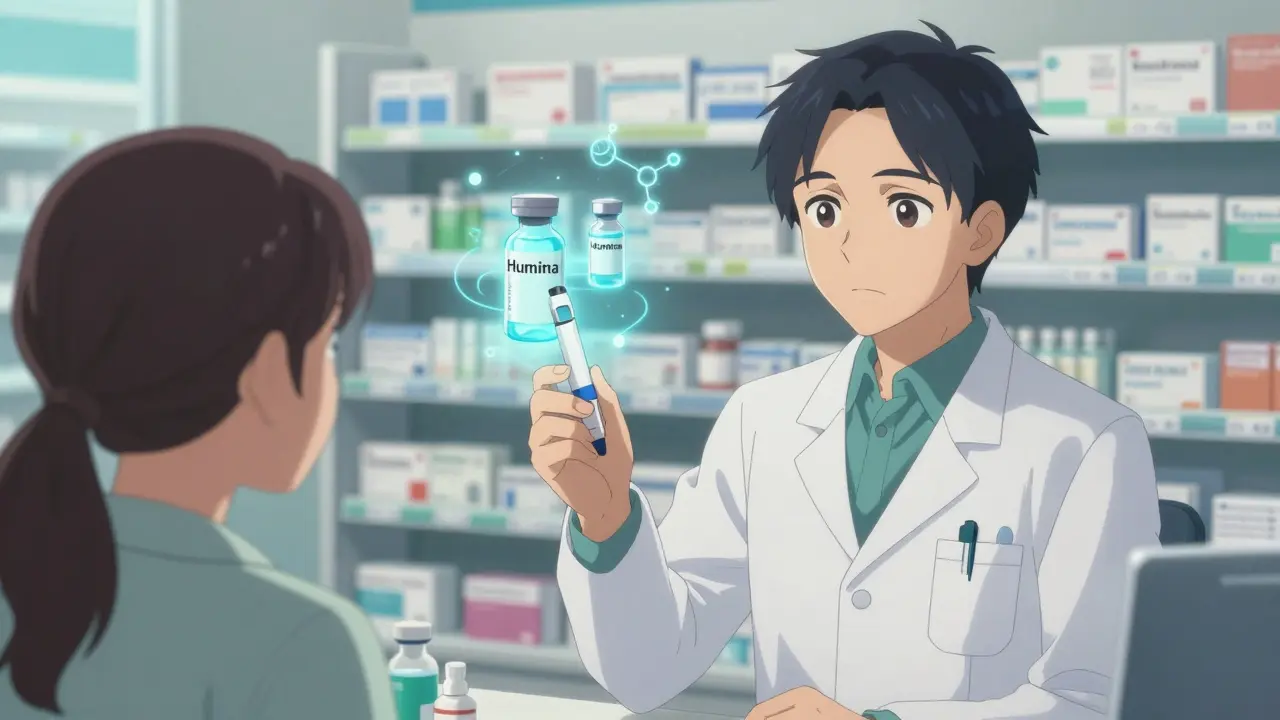
Pharmacists play a vital role in helping patients switch to biosimilars through education, counseling, and legal substitution. Learn how they're driving adoption, reducing costs, and ensuring safety in biologic therapy.
Pioglitazone (ACTOS) helps control blood sugar in type 2 diabetes but carries serious risks: heart failure, swelling in legs and feet, and increased bladder cancer risk with long-term use. Learn who should avoid it and what safer alternatives exist.
Most people with a 'sulfa allergy' label don't need to avoid common nonantibiotic drugs like hydrochlorothiazide or celecoxib. Learn what's truly dangerous and what's safe - and how to get your medical record corrected.
When a medication is recalled, don't panic or stop taking it. Learn the exact steps to check your lot number, contact your pharmacy, safely dispose of meds, and avoid dangerous mistakes that could harm your health.
Market exclusivity extensions let drug companies delay generic competition long after patents expire. Learn how NCE, orphan, pediatric, and other regulatory protections create multi-year monopolies-and why they cost billions.
Cirrhosis is advanced liver scarring that can lead to liver failure. Learn how it develops, what causes it, how it's diagnosed, and when a transplant becomes necessary. Early detection can stop progression.
Nociceptive pain comes from tissue injury and responds best to NSAIDs like ibuprofen when inflammation is present. Acetaminophen helps with mild pain but doesn't reduce swelling. Know the difference to choose the right treatment.