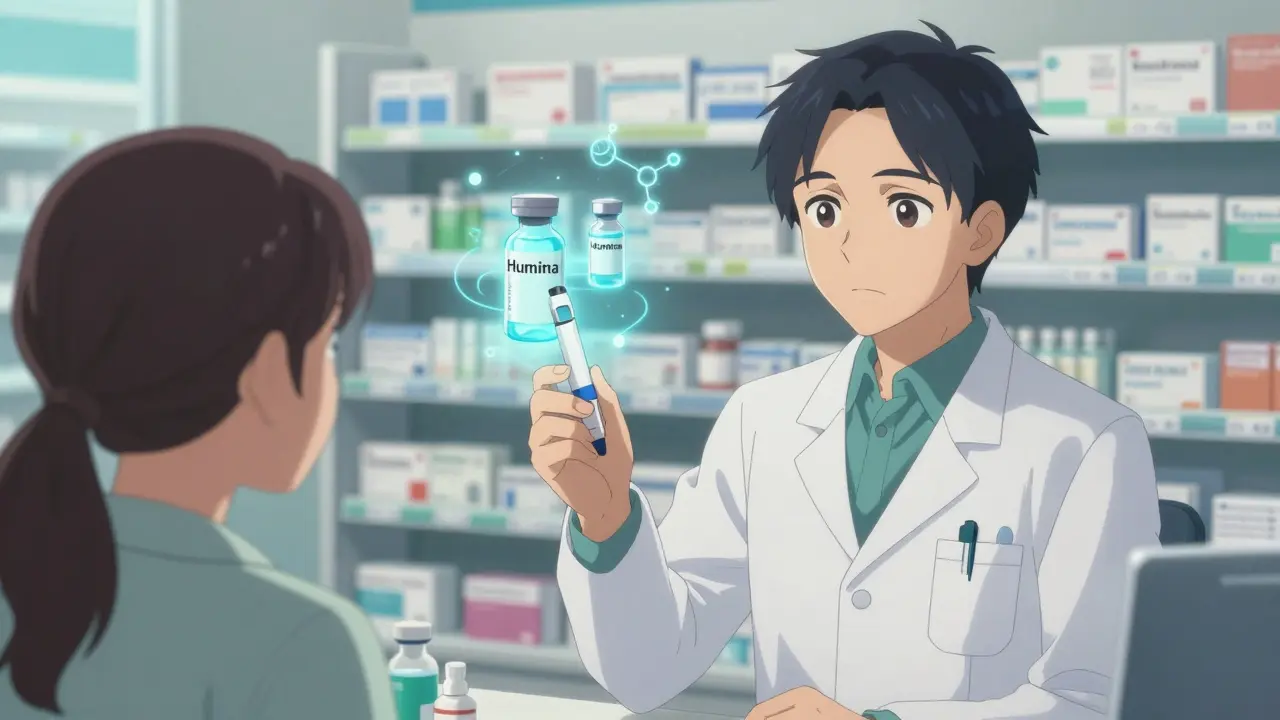
Pharmacists play a vital role in helping patients switch to biosimilars through education, counseling, and legal substitution. Learn how they're driving adoption, reducing costs, and ensuring safety in biologic therapy.

Pharmacists play a vital role in helping patients switch to biosimilars through education, counseling, and legal substitution. Learn how they're driving adoption, reducing costs, and ensuring safety in biologic therapy.
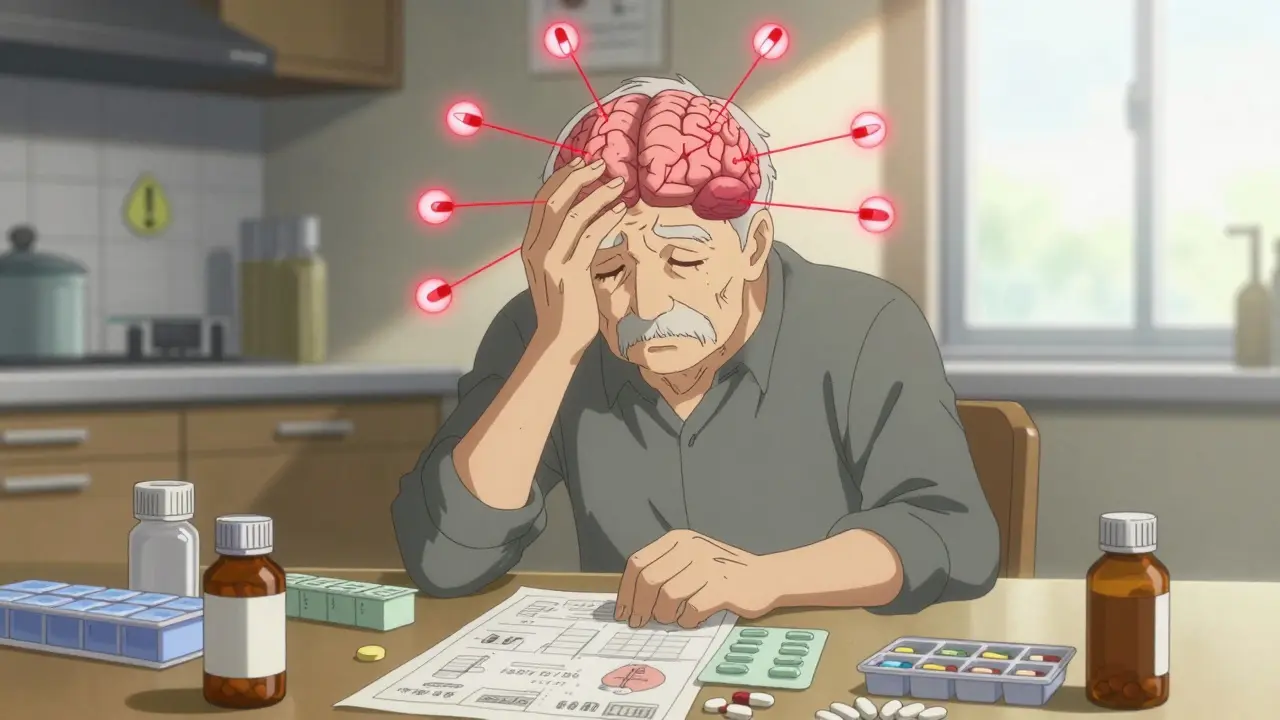
Taking five or more medications increases your risk of falls, confusion, hospitalization, and even death. Learn how polypharmacy works, why it’s dangerous, and what you can do to stay safe.
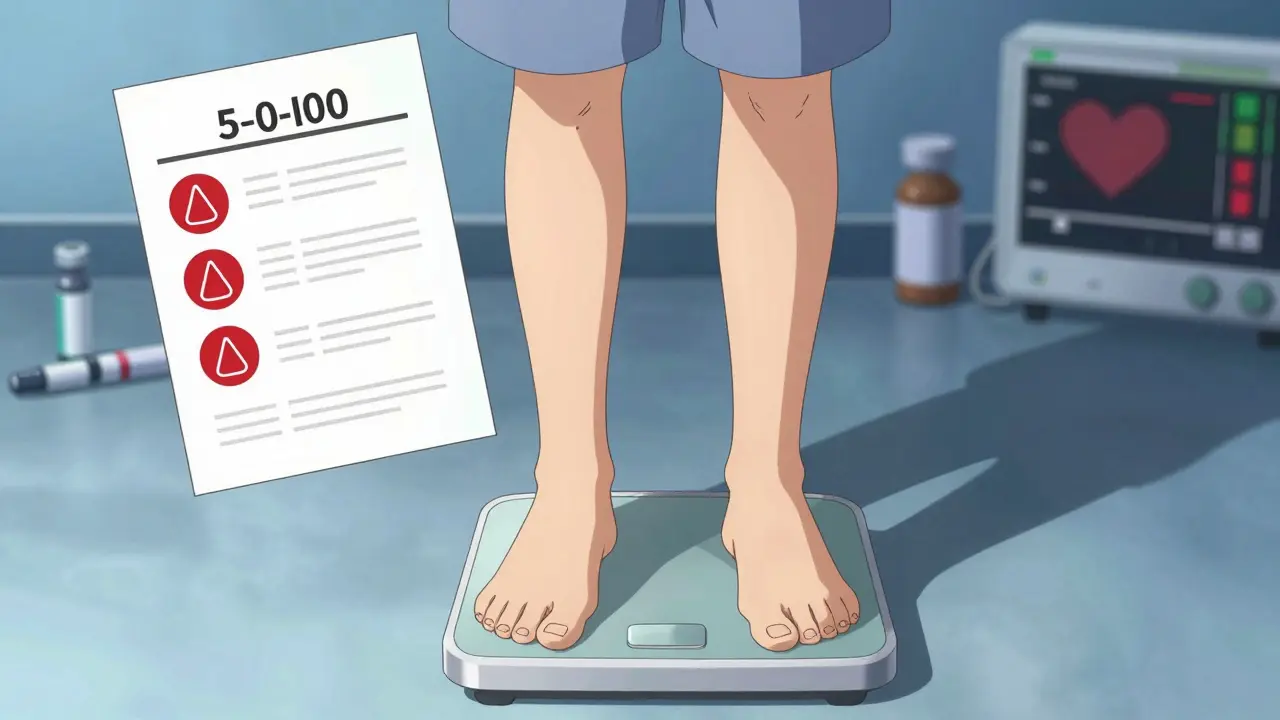
Pioglitazone (ACTOS) helps control blood sugar in type 2 diabetes but carries serious risks: heart failure, swelling in legs and feet, and increased bladder cancer risk with long-term use. Learn who should avoid it and what safer alternatives exist.
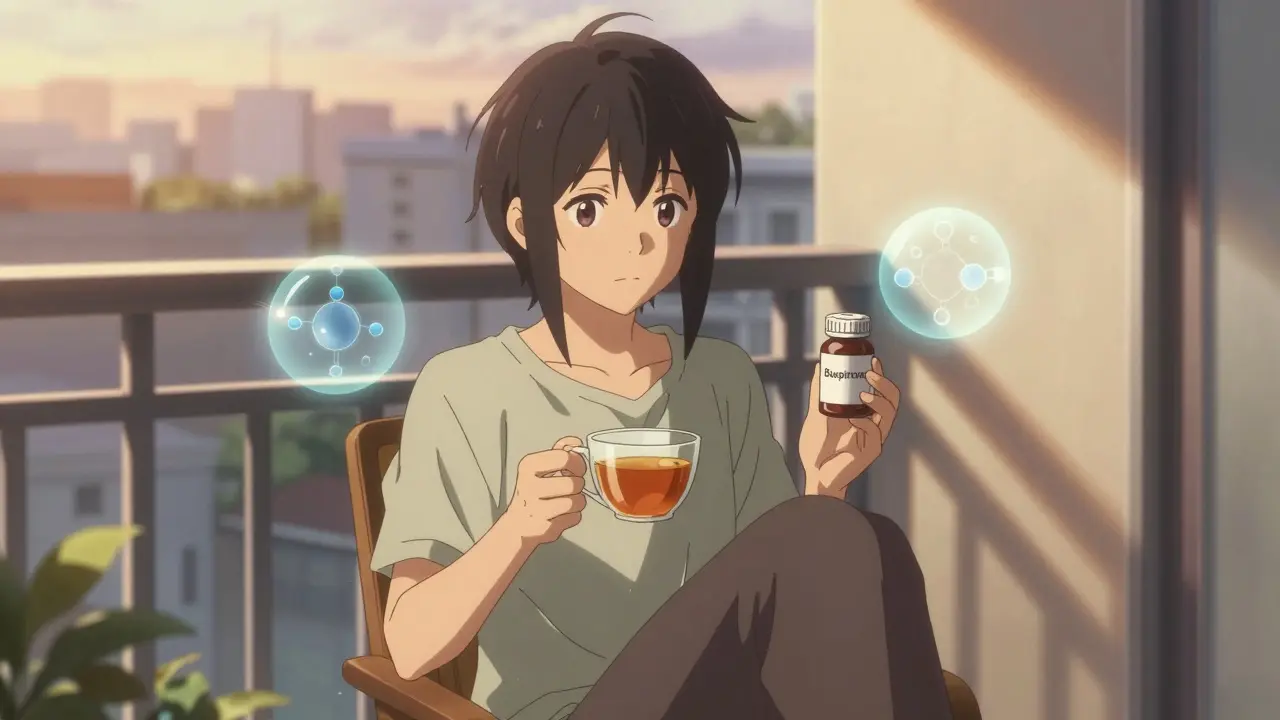
Buspirone augmentation with SSRIs is a safe, effective option for treatment-resistant depression, especially when sexual side effects or emotional blunting persist. It improves mood without weight gain or metabolic risks.
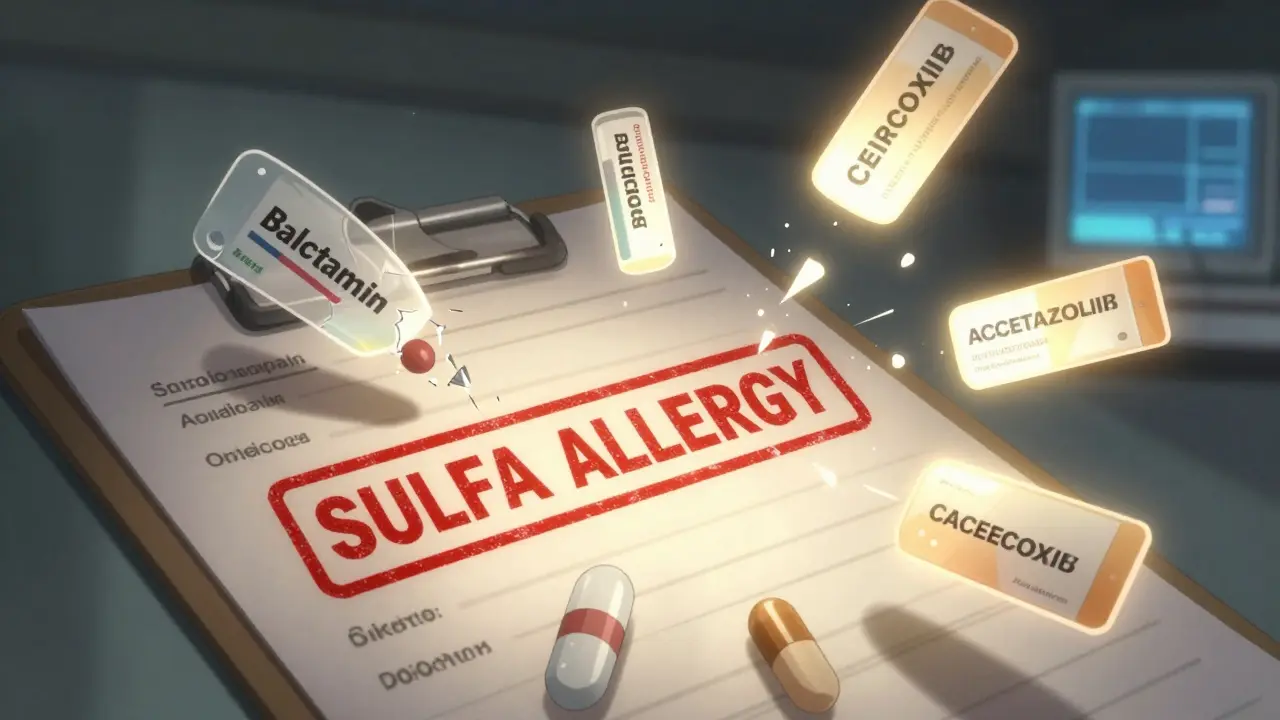
Most people with a 'sulfa allergy' label don't need to avoid common nonantibiotic drugs like hydrochlorothiazide or celecoxib. Learn what's truly dangerous and what's safe - and how to get your medical record corrected.
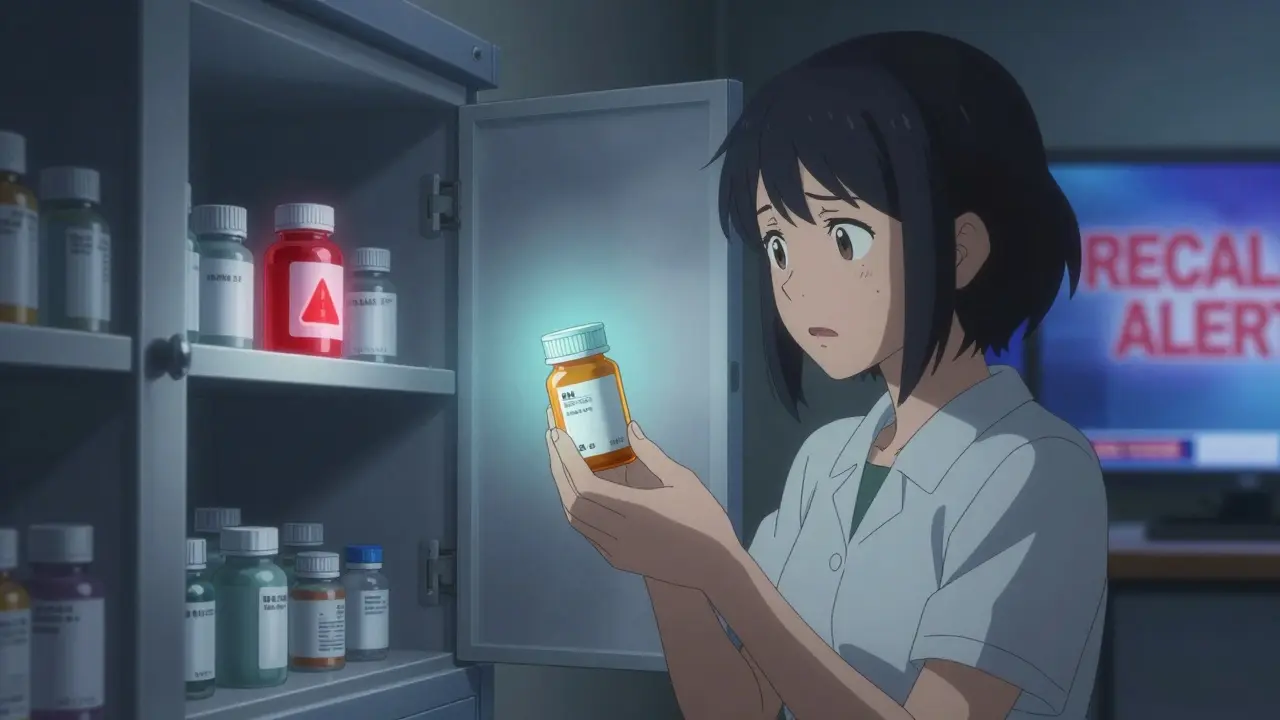
When a medication is recalled, don't panic or stop taking it. Learn the exact steps to check your lot number, contact your pharmacy, safely dispose of meds, and avoid dangerous mistakes that could harm your health.
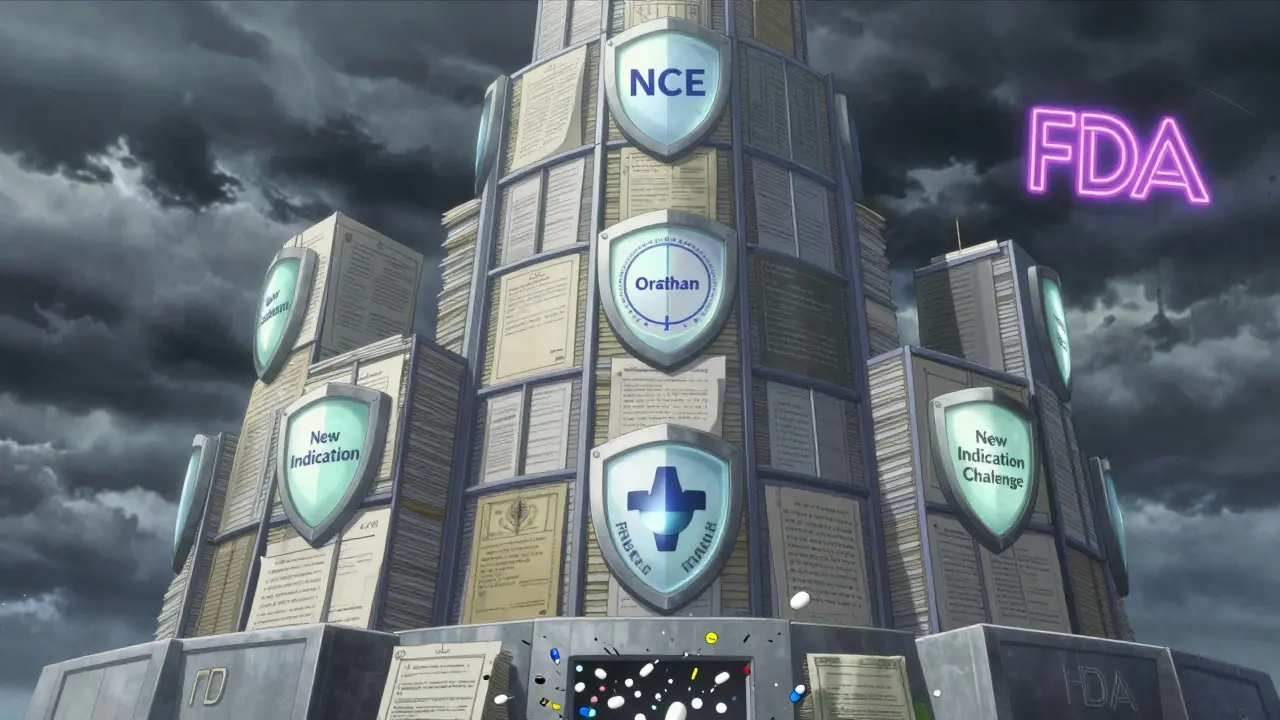
Market exclusivity extensions let drug companies delay generic competition long after patents expire. Learn how NCE, orphan, pediatric, and other regulatory protections create multi-year monopolies-and why they cost billions.

Methadone can cause dangerous heart rhythm changes, especially when combined with other QT-prolonging drugs. Learn who’s at risk, which medications to avoid, and what steps can prevent sudden cardiac events.
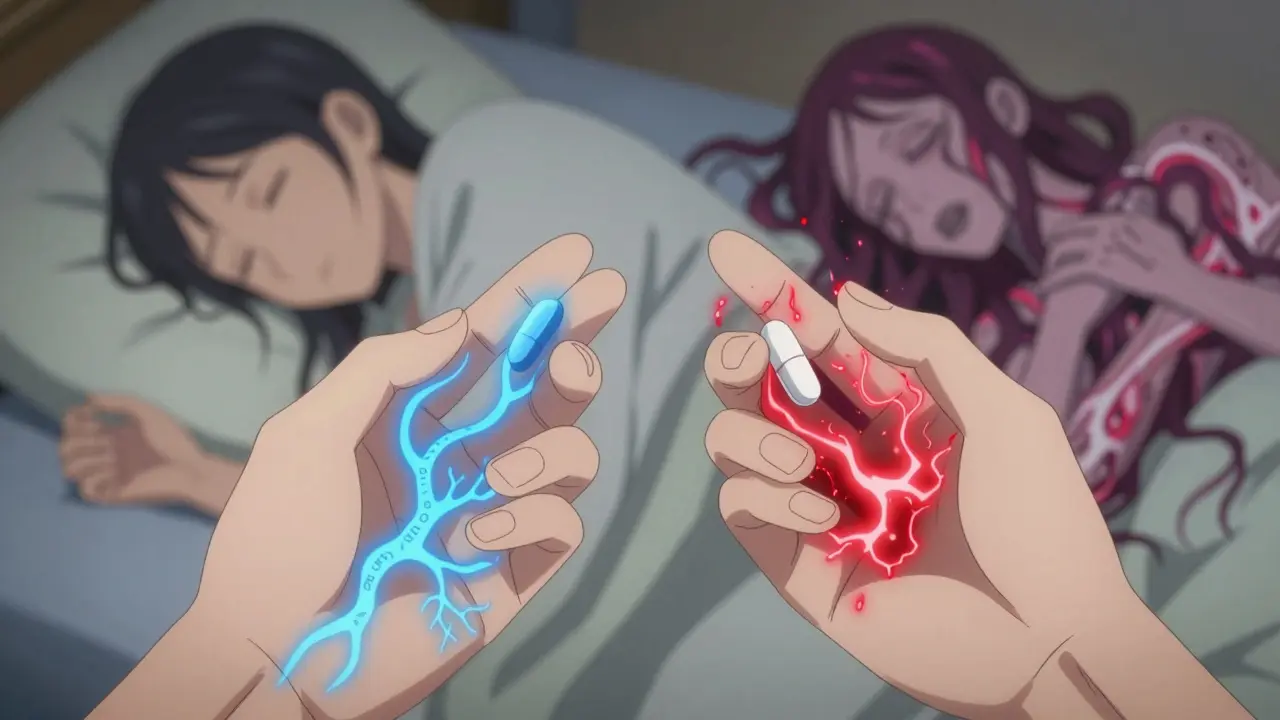
Why do the same drugs cause different side effects in different people? Genetics, age, other medications, and even inflammation play a role. Learn how pharmacogenomics is changing how we prescribe meds to prevent dangerous reactions.
Learn how to read your prescription label and use its exact instructions to set accurate medication reminders that reduce errors, prevent interactions, and improve adherence. Stop guessing-start using the label like a safety guide.